Japan Rates Hit Three-Decade High, But No ‘Meaningful Disruption’ to Crypto Market
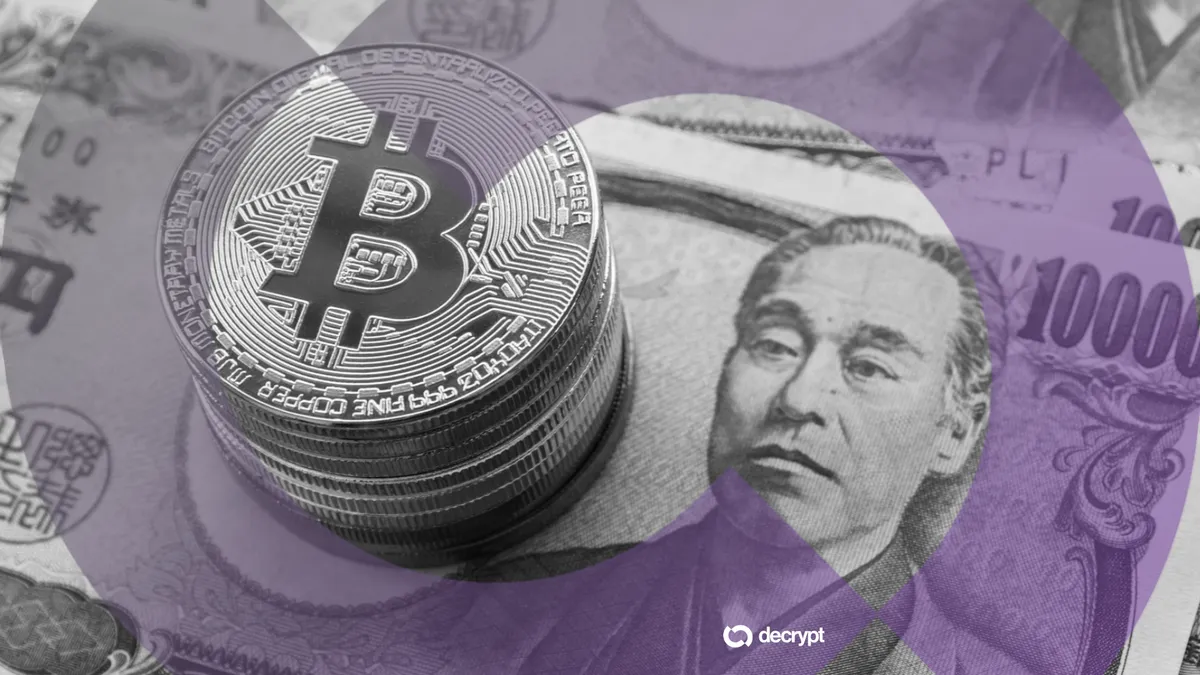
Japan's central bank has recently raised interest rates to a level not seen in over three decades, a significant shift in monetary policy that has historically sent ripples through various financial markets, including the cryptocurrency sector. The Bank of Japan's decision to increase rates from a long-held ultra-low position signals a response to persistent inflationary pressures and aims to stabilize the economy. While such moves have previously led to volatility in crypto prices, this time the market has shown remarkable resilience, with minimal disruption to major cryptocurrencies’ valuations.
To understand this development, it's essential to look at the broader context of Japan's economic environment. For years, the country has dealt with stagnant growth and deflationary pressures, prompting the central bank to adopt aggressive monetary easing policies. The recent rate hike is a departure from these measures, indicating a potential shift in Japan's economic strategy. This change comes amidst a global backdrop of increasing interest rates, as central banks worldwide grapple with inflation. Historically, such rate increases have been associated with higher borrowing costs, leading to reduced liquidity in markets, including crypto.
The muted reaction of the cryptocurrency market to Japan's rate hike is noteworthy and suggests a pivotal moment for digital assets. Investors appear to be increasingly viewing cryptocurrencies as separate from traditional financial instruments, reflecting a maturation of the market. This decoupling may indicate that crypto assets are becoming more resilient to macroeconomic shifts, allowing them to hold their value even when traditional markets react sharply to changes in monetary policy. This stability could enhance the appeal of cryptocurrencies as a hedge against inflation, drawing in more investors seeking alternative assets.
Industry experts have weighed in on this development, noting that the lack of significant market disruption could signal a more stable future for cryptocurrencies. Some analysts believe that the market has already priced in potential rate hikes, leading to the current stability. Others suggest that the focus on regulatory developments, technological advancements, and institutional adoption may be overshadowing traditional economic factors. This sentiment aligns with the growing belief that cryptocurrencies are transitioning from speculative assets to more stable stores of value.
Looking ahead, it remains to be seen how ongoing economic changes in Japan and globally will influence the crypto landscape. Should the Bank of Japan continue its tightening cycle, the market will be closely monitored for any signs of stress or volatility. However, if the current trend of stability persists, it could bolster confidence among investors and potentially pave the way for further institutional adoption. The crypto market's ability to absorb external shocks will be critical in determining its trajectory in the coming months.

CoinMagnetic Team
Crypto investors since 2017. We trade with our own money and test every exchange ourselves.
Updated: June 2026
From our insights:
Related news
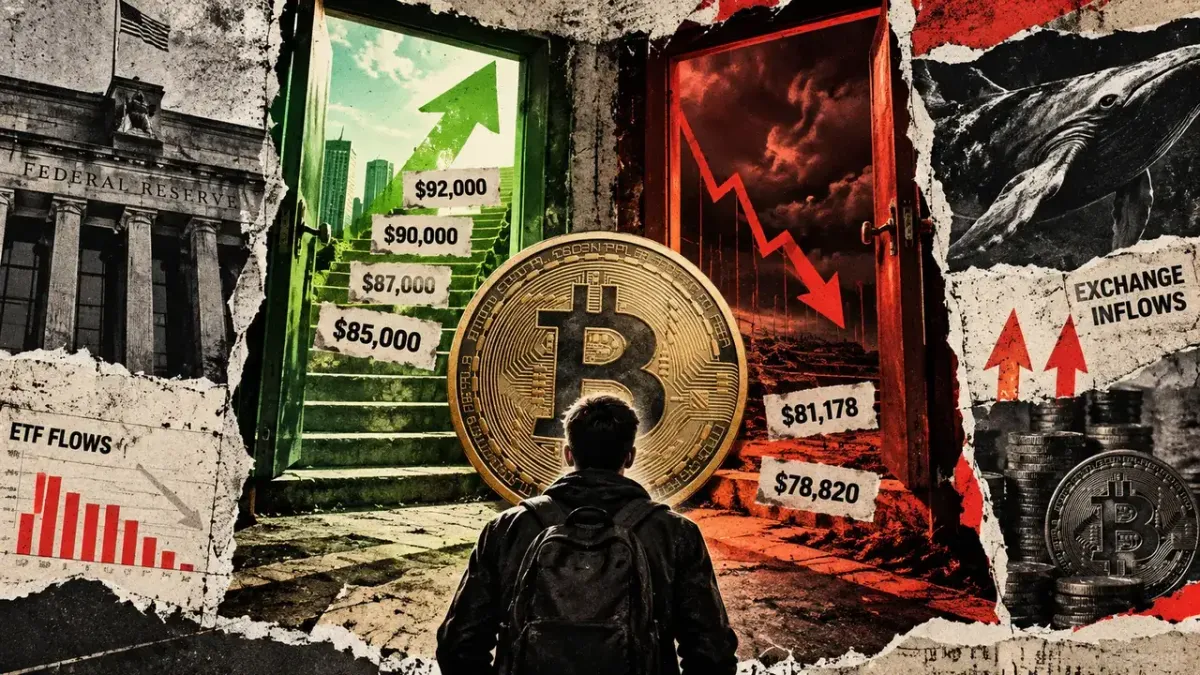
Bitcoin's weekly close above $81,000 signals potential rise to $90,000

Elon Musk's X integrates bitcoin trading options for U.S. users
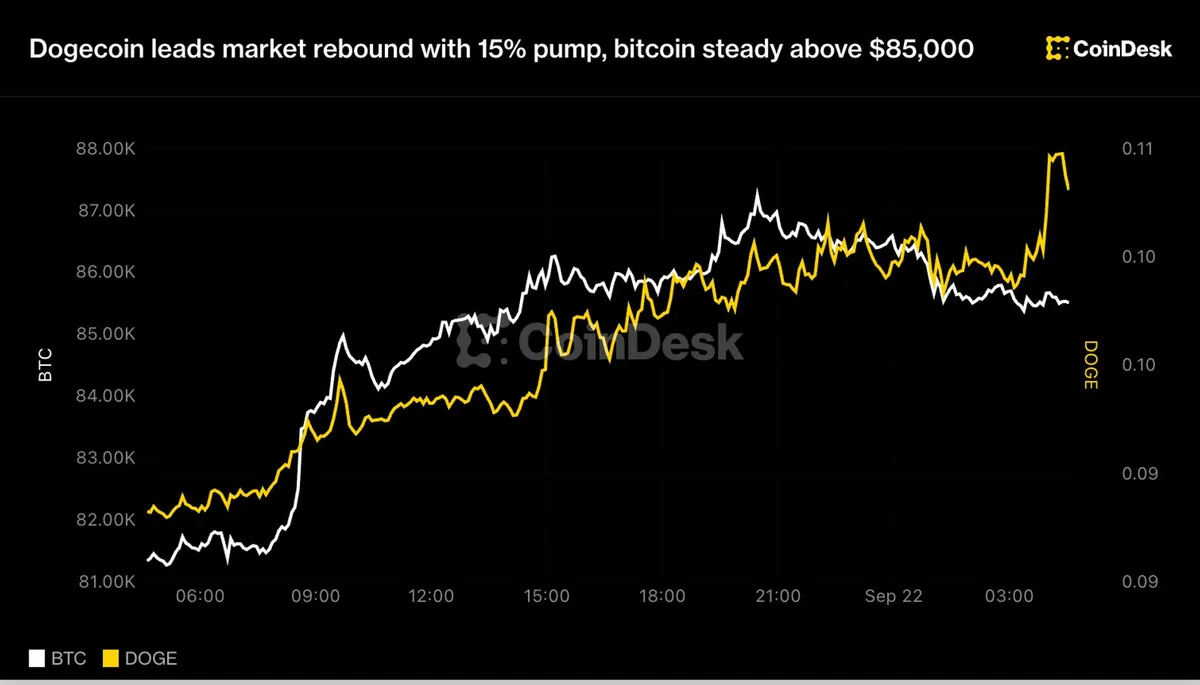
Dogecoin's 15% surge drives market recovery as bitcoin stabilizes above $85,000

Cardano adds tools for AI agent payments, joining Solana and XRP Ledger

Trueo prediction market moves from Base to Ethereum