Jailed Fraudster Charged With Moving $290K in Forfeited Crypto From Prison
In a striking development, a jailed fraudster has been charged with attempting to move approximately $290,000 in cryptocurrency that had been ordered to be forfeited by a court. The individual, already serving time for his involvement in a $5 million money laundering scheme, allegedly orchestrated these transactions from behind bars. Authorities uncovered the scheme during an investigation into unusual activities related to the forfeited assets, raising further questions about security measures in place to prevent such actions from inmates.
The case underscores the ongoing challenges in the enforcement of cryptocurrency regulations and the complexities associated with tracing digital assets. Cryptocurrency transactions are designed to be decentralized and pseudonymous, which makes tracking and preventing illicit activities particularly difficult. In this instance, the fraudster's actions not only violate the terms of his sentencing but also highlight potential loopholes that can be exploited within the prison system itself. This incident is a reminder of the persistent vulnerabilities that exist in the regulatory framework surrounding cryptocurrencies.
For the broader market, this situation may provoke a renewed focus on security protocols and regulatory measures within the cryptocurrency space. Investors and stakeholders might react with heightened scrutiny towards projects or assets associated with legal troubles or fraudulent activities. Additionally, this incident could influence lawmakers and regulators to push for more stringent controls on digital assets, aiming to deter similar actions in the future and ensure that the integrity of the market is upheld.
Industry experts have expressed a mix of concern and intrigue regarding the implications of this case. Some believe it shines a light on the need for improved regulatory oversight, particularly as cryptocurrencies gain popularity and acceptance. Others argue that the decentralized nature of digital currencies makes it nearly impossible to eliminate all fraudulent activities. The incident has sparked discussions around better compliance measures and technological solutions that can assist in tracking and managing assets more effectively, even in challenging situations like those involving incarcerated individuals.
Looking forward, it will be interesting to see how this case unfolds and what actions authorities will take to mitigate similar risks in the future. As regulatory frameworks are still adapting to the rapidly evolving landscape of cryptocurrencies, this incident could serve as a catalyst for change. The cryptocurrency community will be watching closely to see whether this leads to more stringent regulations and how it impacts the overall perception of digital assets in the eyes of the public and investors alike.

CoinMagnetic Team
Crypto investors since 2017. We trade with our own money and test every exchange ourselves.
Updated: July 2026
From our insights:
Related news
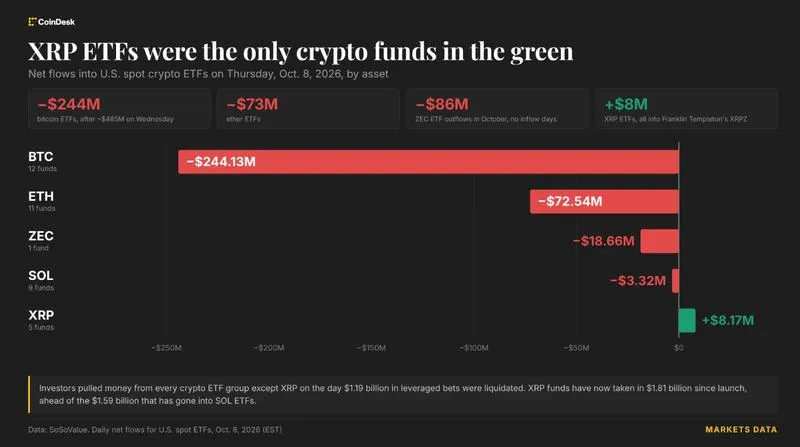
XRP ETFs shine as BTC and ZEC funds see significant outflows on Thursday
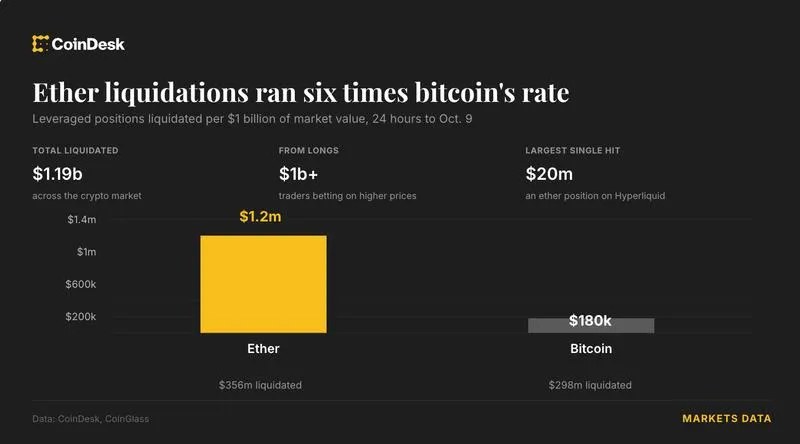
ETH liquidations hit $356 million, six times higher than Bitcoin's rate

Thailand finalizes rules paving way for Bitcoin, Ether ETFs

Manus secures $500 million following China’s rejection of Meta deal

Google Cloud's Gemini aims to function as a virtual coworker with its own inbox