It's not 2022 anymore: What Strategy's first bitcoin sale can (and can't) tell us about this one

In a significant development in the cryptocurrency landscape, Michael Saylor's Strategy has made its first sale of Bitcoin in over three and a half years. This marks a pivotal moment as the company has undergone a substantial evolution, transforming into a more complex bitcoin-finance machine since its last transaction. The sale is noteworthy not just for its timing, but also for the strategic implications it carries in a market that has seen considerable volatility and regulatory scrutiny. With this sale, Strategy aims to leverage its Bitcoin holdings in a manner that reflects the current market dynamics, signaling a proactive approach to capital management.
To put this transaction into context, it’s essential to recognize the backdrop against which this sale has occurred. In the height of the 2021 bull run, Bitcoin reached unprecedented prices, leading many companies, including Strategy, to accumulate large holdings. However, as the market shifted in 2022, characterized by a sharp decline and increased regulatory challenges, many firms reassessed their strategies. Michael Saylor, as a prominent figure in the Bitcoin community, has often been vocal about the long-term potential of Bitcoin, emphasizing its role as a digital asset and a hedge against inflation. The evolution of Strategy's approach reflects not only internal re-evaluation but also broader market trends.
This sale has implications that extend beyond Strategy itself. It can be viewed as a barometer for market sentiment, particularly among institutional investors who have been closely monitoring Bitcoin's performance and regulatory developments. The decision to sell, even partially, could indicate that Strategy is adapting to the current market realities rather than adhering strictly to a HODL strategy, which has often been the mantra for Bitcoin advocates. This shift may lead other institutional players to reassess their positions as well, potentially influencing the overall market trajectory in the short term.
Industry experts have begun to weigh in on the significance of this sale. Some view it as a pragmatic move, suggesting that it reflects a growing recognition among institutional investors that market conditions require flexibility. Others caution that it could signal a broader trend of profit-taking and risk aversion, especially if other firms follow suit. The mixed reactions highlight the ongoing debate within the crypto community regarding the optimal strategy for holding versus selling assets in a turbulent market environment.
Looking ahead, the implications of Strategy's first Bitcoin sale could resonate throughout the industry. As more companies evaluate their crypto strategies in light of recent market shifts, we may witness a redefined landscape where flexibility and adaptability become paramount. The coming weeks and months will likely reveal whether this sale is an isolated incident or the beginning of a trend among institutions navigating the complexities of the current economic climate.

CoinMagnetic Team
Crypto investors since 2017. We trade with our own money and test every exchange ourselves.
Updated: June 2026
From our insights:
Related news

Bitcoin surges past $86,000 as $1 billion in shorts are liquidated, eyes on $90,000
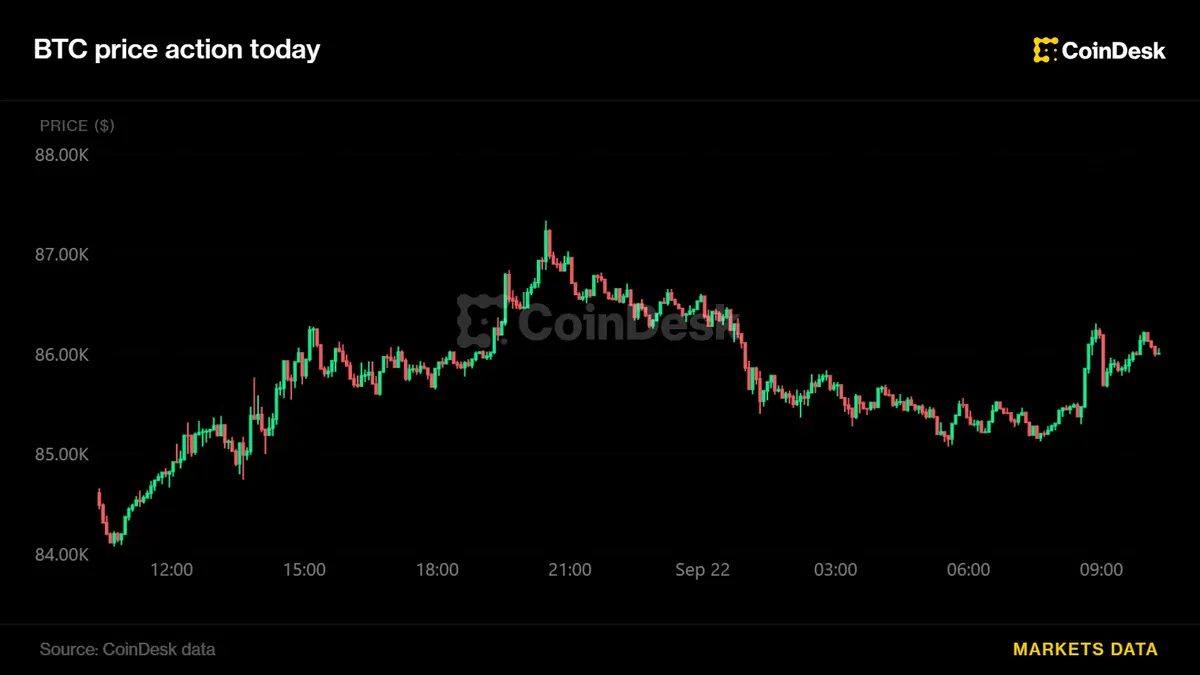
Bitcoin bounces back to $86,000 as oil prices decline and stocks rise

Prediction markets projected to reach $10 trillion by 2035, surpassing sports
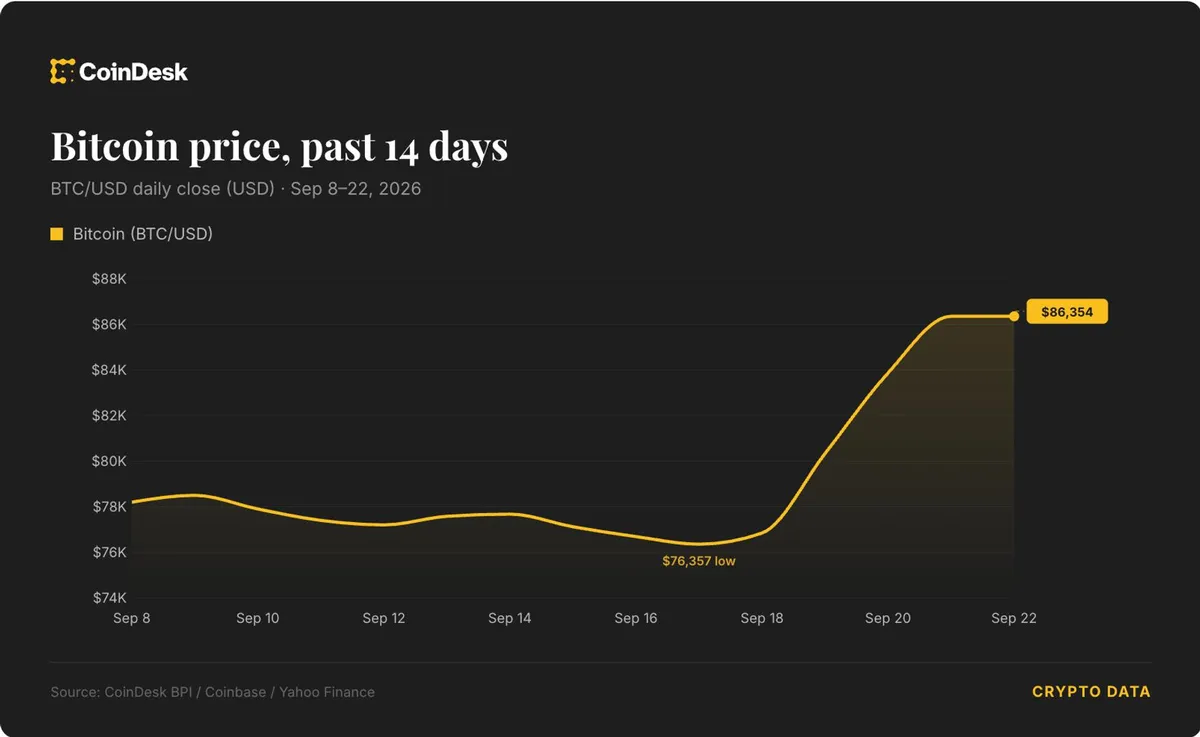
Iran hints at reopening Strait of Hormuz, WTI oil drops to $89

New altseason signal emerges as Bitcoin market cap stays under 60%