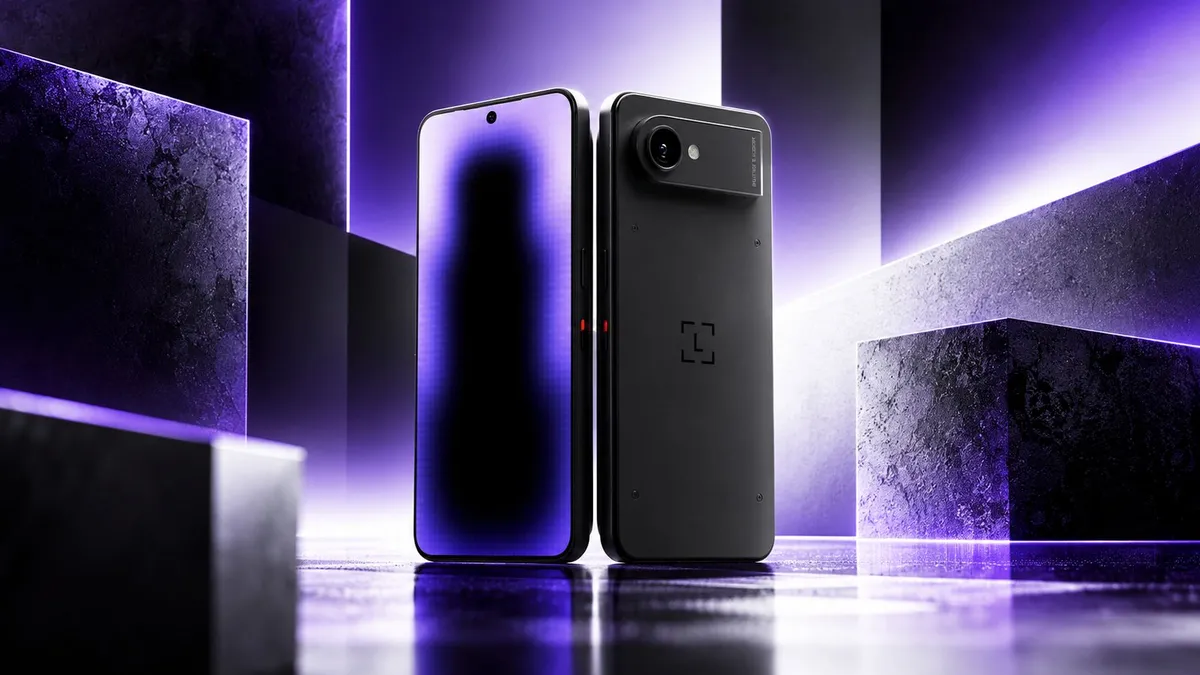
Is using an old iPhone safer than a crypto hardware wallet? ZachXBT thinks so
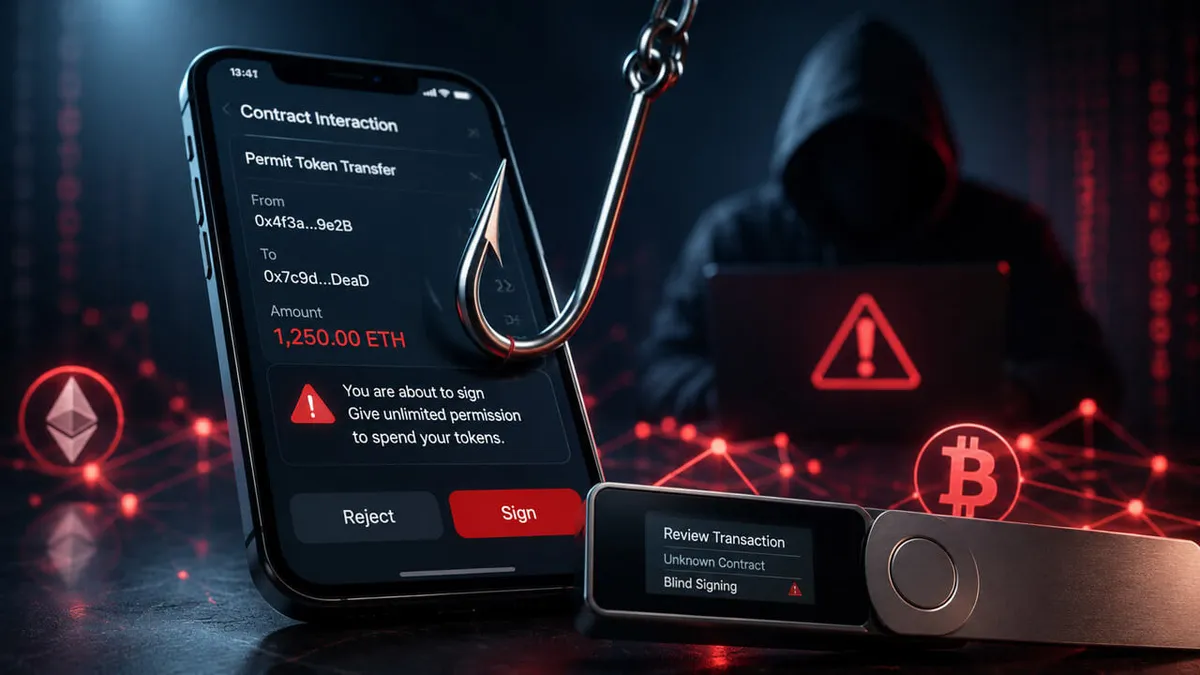
Recently, ZachXBT, a prominent figure in the crypto community, stirred the pot by suggesting that using an old iPhone might actually provide better security than a dedicated hardware wallet for cryptocurrency storage. This assertion has ignited debate among security experts, as both devices serve fundamentally similar functions in signing transactions. ZachXBT's argument hinges on the premise that the true vulnerability in the crypto landscape lies not in the devices themselves but in what a valid signature allows to occur once it's generated. This assertion has caught the attention of both supporters and skeptics, leading to a broader discussion about the inherent security of our digital assets.
To understand this debate, it is essential to consider the evolution of security measures in the cryptocurrency space. Hardware wallets have long been heralded as the gold standard for securely storing private keys–essentially, the keys to one's crypto assets. They operate in isolated environments, minimizing exposure to online threats. On the other hand, smartphones, even older models, come equipped with advanced security features like biometric authentication and secure elements. The juxtaposition between these two types of devices raises critical questions about what truly constitutes a secure environment for crypto transactions.
This debate matters significantly for the market, especially as more people enter the crypto space seeking to safeguard their investments. If the community begins to view old iPhones as valid alternatives to hardware wallets, it could lead to a shift in purchasing behaviors and security practices. This could potentially democratize access to crypto security for those who may not afford specialized hardware. However, it also raises concerns about the risks associated with using devices that are not purpose-built for cryptocurrency storage, as they may inadvertently expose users to malware and other vulnerabilities.
Industry experts have expressed mixed reactions to ZachXBT's claim. Some support his viewpoint, arguing that the advanced security features found in modern smartphones can offer significant protection when used correctly. Others caution against embracing this perspective too readily, emphasizing that hardware wallets are specifically designed for crypto security and come with robust protections that smartphones may lack. The conversation highlights the ongoing need for rigorous security education in the crypto community, as the stakes are high and the landscape is constantly evolving.
Looking ahead, it will be crucial for the security community to continue exploring and refining best practices for safeguarding digital assets. As technology evolves, so too will the methods used by malicious actors, making it imperative for users to stay informed about the tools and practices that can best protect their investments. The debate sparked by ZachXBT's assertion may ultimately lead to innovations in both hardware wallets and smartphones, pushing the boundaries of what is considered secure in the realm of cryptocurrency storage.

CoinMagnetic Team
Crypto investors since 2017. We trade with our own money and test every exchange ourselves.
Updated: July 2026
From our insights:
Related news

Wall Street shifts focus to crypto rules as Congress delays action

Russia to ban direct peer-to-peer crypto trades starting July 2027

SEC and CFTC pro-crypto rules face potential legal scrutiny and reversal risks

Alpenglow update aims to cut Solana finality to 150 milliseconds
Ledger prices its new Atom security device at $849 ahead of 2027 delivery