IREN co-founder says AI’s biggest bottleneck is infrastructure, not chips
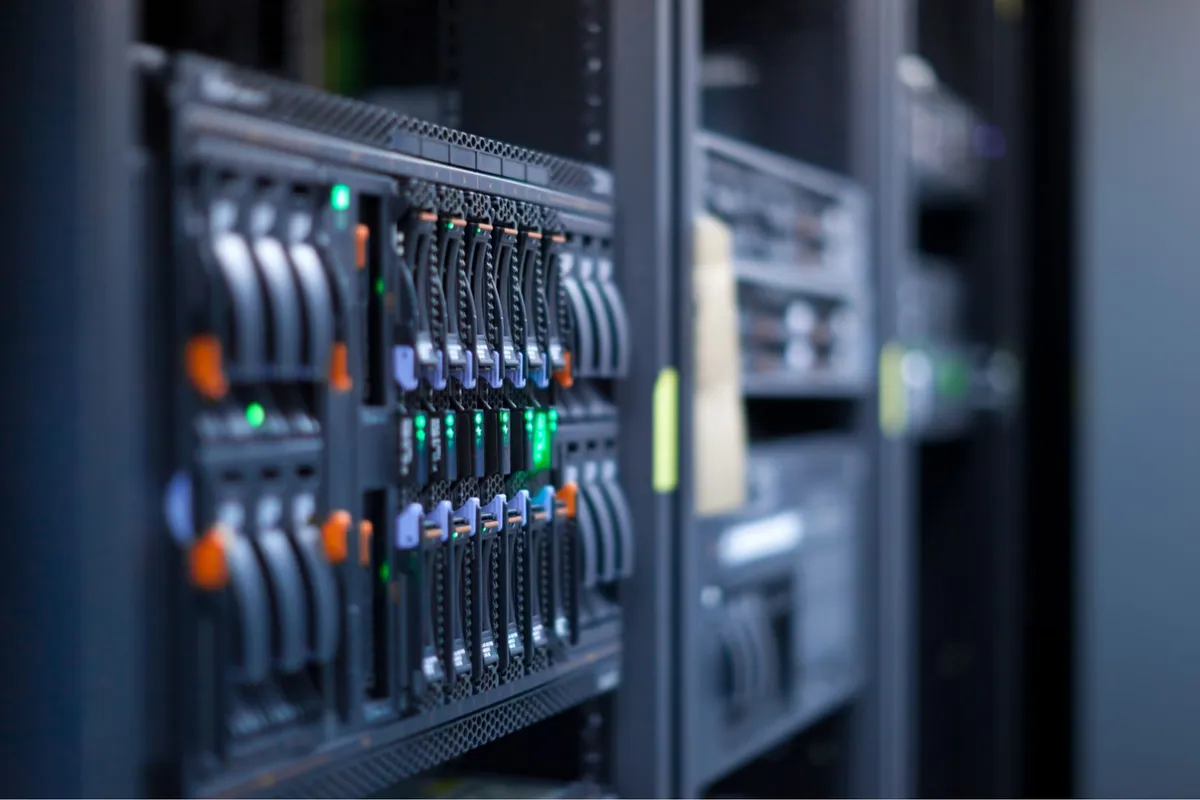
Dan Roberts, co-founder of IREN, recently shared insights on the challenges facing artificial intelligence (AI), emphasizing that the primary bottleneck is not the semiconductor chips themselves but rather the underlying infrastructure that supports AI operations. In a detailed discussion, Roberts outlined IREN's ambitious strategy to create a vertically integrated AI platform that encompasses essential components such as power supply, data centers, graphics processing units (GPUs), and enterprise software. This comprehensive approach aims to address the growing demand for robust AI capabilities across various industries and to enhance the efficiency of AI deployments.
The discussion around AI infrastructure has gained traction as the technology continues to evolve and expand into new sectors. Historically, the focus has been on improving chip performance, with companies racing to develop faster and more efficient processors suitable for AI applications. However, Roberts argues that without a solid infrastructure supporting these advancements, the full potential of AI cannot be realized. IREN seeks to bridge this gap by integrating the various elements of AI technology into a cohesive system that can handle the demands of modern applications.
This perspective is significant for the market as it shifts the conversation from a chip-centric focus to a broader view of AI ecosystems. Investors and stakeholders may need to reconsider their strategies and investments, recognizing that infrastructure plays a crucial role in enabling AI innovation. The demand for more comprehensive solutions could lead to increased investments in data centers, power management, and software development, ultimately shaping the future landscape of the AI industry.
The industry reaction to Roberts' statements has been mixed, with some experts agreeing that infrastructure is indeed a critical factor often overlooked in discussions about AI development. Others, however, caution that while infrastructure is essential, advancements in chip technology should not be downplayed, as they remain a foundational element of AI performance. The consensus seems to underscore the need for a balanced approach that addresses both infrastructure and hardware improvements to drive the AI sector forward effectively.
Looking ahead, IREN's commitment to building a vertically integrated AI platform could position the company as a key player in the evolving market. As demand for AI solutions continues to surge, companies that can provide comprehensive infrastructure alongside cutting-edge technology may have a competitive advantage. The coming years are likely to see more collaboration between hardware and software developers as the industry seeks to overcome existing bottlenecks and unlock the full potential of AI.

CoinMagnetic Team
Crypto investors since 2017. We trade with our own money and test every exchange ourselves.
Updated: May 2026
From our insights:
Related news

SoFi begins stablecoin settlement on Mastercard network for program expected to exceed $25 billion in annualized volume
A $3.2 million 'bitcoin butterfly' option trade bets on $95,000 by the end of October

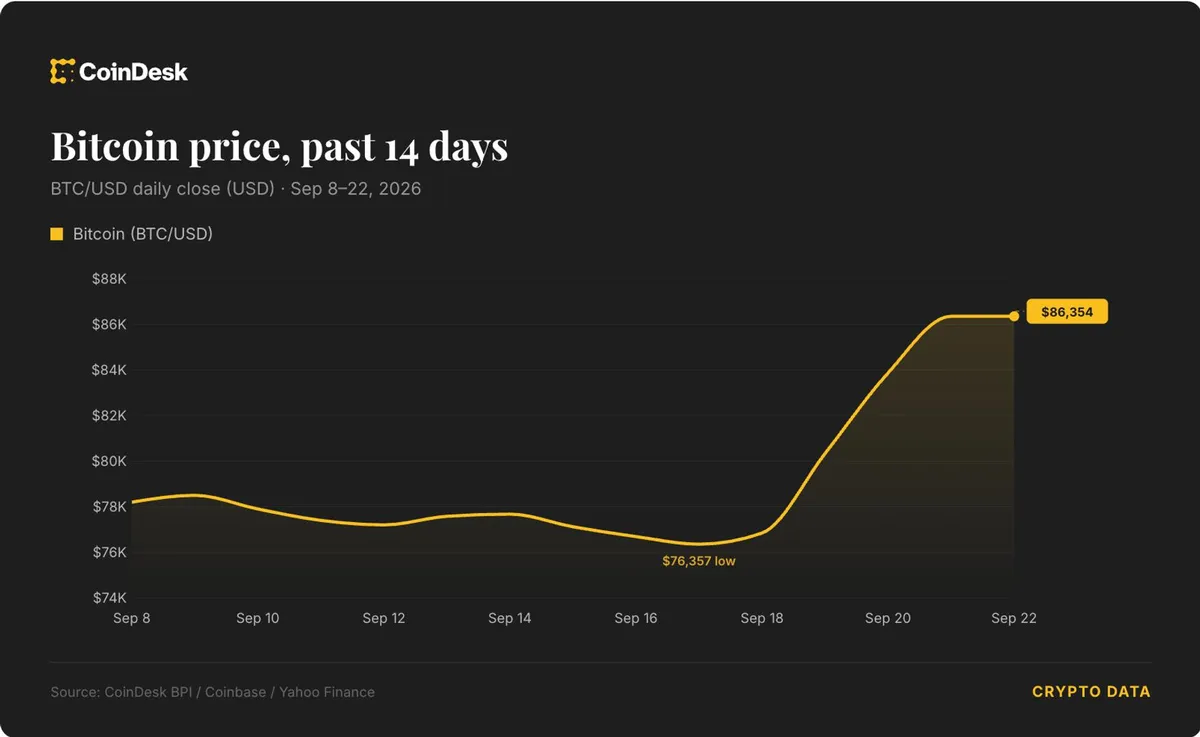
Bitcoin surges past $86,000 as $1 billion in shorts are liquidated, eyes on $90,000
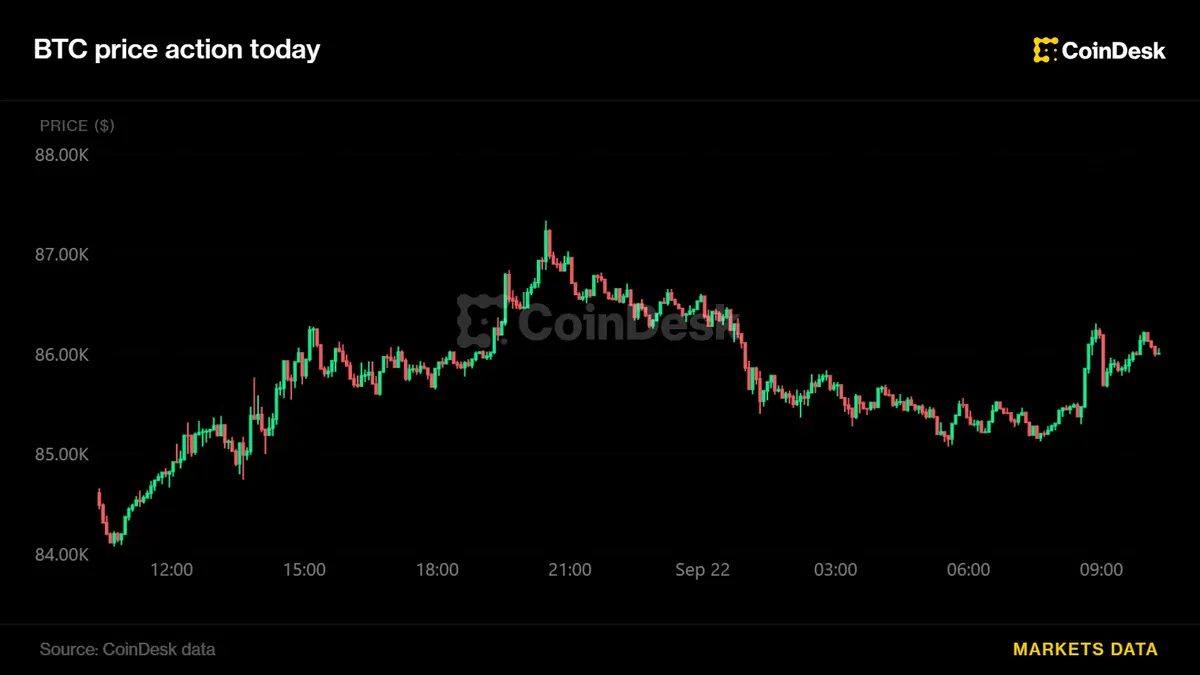
Bitcoin bounces back to $86,000 as oil prices decline and stocks rise

Prediction markets projected to reach $10 trillion by 2035, surpassing sports