Iran war shows markets no longer sleep

The recent escalation of conflict involving Iran has not only captured global headlines but also provided a unique landscape for financial markets to react in real-time. As tensions rise, the financial infrastructure has demonstrated its resilience and adaptability, revealing how traditional assets and newer cryptocurrencies respond to geopolitical crises. Notably, this situation has brought to light an unexpected winner in the financial arena, suggesting that even amidst turmoil, certain sectors can thrive or evolve in response to changing circumstances.
To understand the current landscape, it is essential to consider the historical context of Iran's role in global markets. Over the years, geopolitical instability in the Middle East has often led to fluctuations in oil prices, currency valuations, and broader market sentiments. Investors have frequently turned to safe-haven assets during such crises, but the emergence of cryptocurrencies as an alternative has changed the dynamics. The ability of digital currencies to operate outside traditional banking systems has made them increasingly attractive during periods of uncertainty, allowing some traders to hedge against local and regional risks.
The implications of this newfound responsiveness in the markets cannot be overstated. As the situation unfolds, the ability of financial instruments–both traditional and digital–to react quickly to news and events suggests a shift in how investors approach risk management. This responsiveness may indicate a more interconnected market where geopolitical events can influence asset prices almost instantaneously. For cryptocurrencies, this moment could serve as a litmus test for their viability as a serious alternative to conventional financial systems, potentially attracting more institutional interest as they seek to diversify their portfolios.
Industry experts have already begun weighing in on the situation. Many analysts point to the increased trading volumes in cryptocurrencies and the resilience of decentralized finance platforms during the crisis as evidence of a maturing market. Some have suggested that the growing acceptance of digital currencies in times of turmoil could lead to broader adoption by both retail and institutional investors. Meanwhile, traditional financial experts are cautioning against over-reliance on these emerging assets, emphasizing the need for a balanced approach that considers both the potential and the inherent risks associated with cryptocurrencies.
Looking ahead, it remains to be seen how the ongoing situation with Iran will shape the future of financial markets. Will the current trends in cryptocurrency adoption continue, or will they stabilize as the crisis subsides? As investors navigate this complex landscape, the interplay between traditional finance and digital currencies may redefine investment strategies and risk assessments in a world where geopolitical events are increasingly capable of driving market behavior. The coming weeks will likely provide further insights into how resilient financial infrastructure can adapt to crisis situations, setting the stage for a new era of investment dynamics.

CoinMagnetic Team
Crypto investors since 2017. We trade with our own money and test every exchange ourselves.
Updated: May 2026
From our insights:
Related news
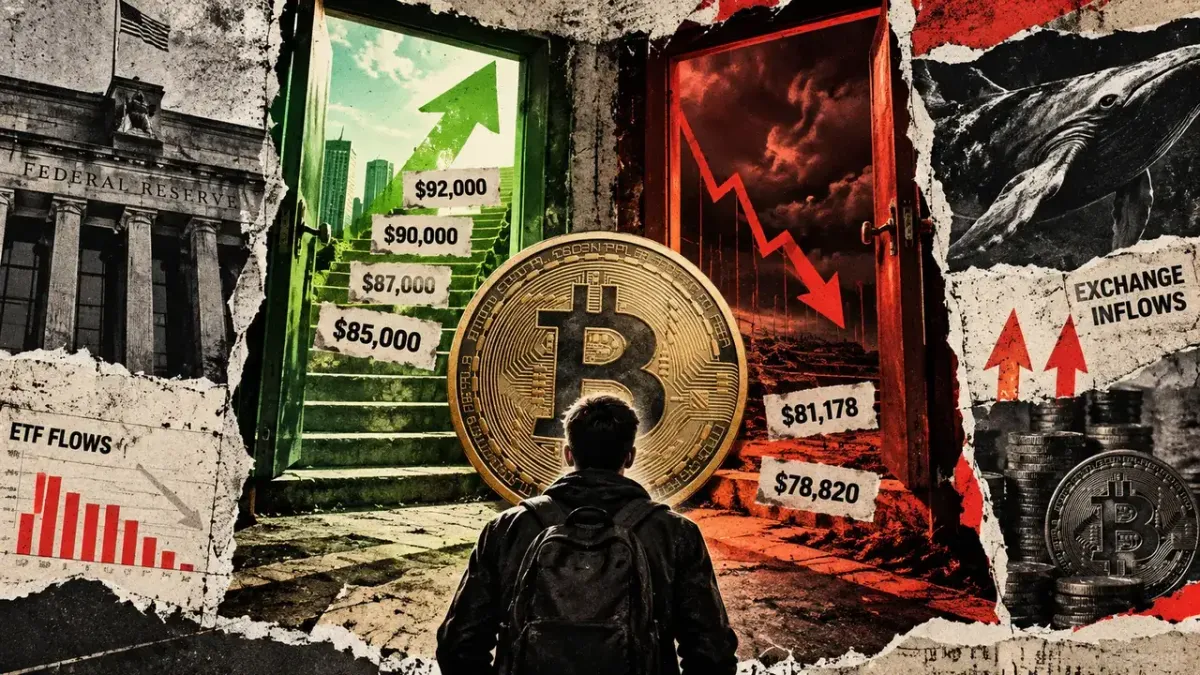
Bitcoin's weekly close above $81,000 signals potential rise to $90,000

Elon Musk's X integrates bitcoin trading options for U.S. users
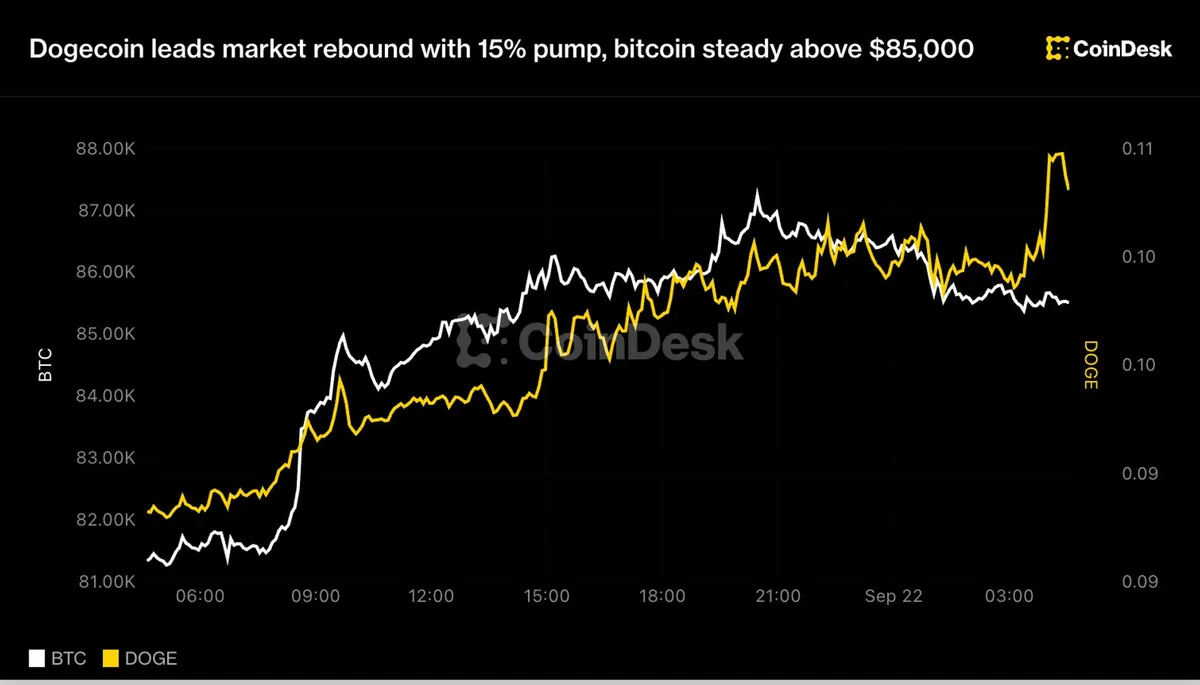
Dogecoin's 15% surge drives market recovery as bitcoin stabilizes above $85,000

Cardano adds tools for AI agent payments, joining Solana and XRP Ledger

Trueo prediction market moves from Base to Ethereum