Iran-UAE tensions are pushing Bitcoin toward a record bond-market danger zone

The recent escalation of tensions between Iran and the UAE has sent shockwaves through global markets, particularly impacting the cryptocurrency landscape. Following Iran's aggressive actions, including attacks on vessels in the critical Strait of Hormuz and a drone strike on the Fujairah Oil Industry Zone, crude oil prices surged, with Brent crude hitting $114.44 and WTI reaching $106.42. These geopolitical tensions have created ripples across various financial sectors, contributing to an increase in the 10-year Treasury yield, which climbed to approximately 4.44%, while the 30-year yield broke above 5%. Amidst this turmoil, Bitcoin experienced a notable surge, registering an intraday high of $80,717.66 on May 4, signaling a potential shift in how investors are responding to geopolitical risks.
To understand the current situation, it’s essential to consider the historical context of Iran-UAE relations and their implications for regional stability. The Strait of Hormuz is a vital maritime route for global oil shipments, and any disruption can have immediate effects on oil prices and broader economic conditions. The UAE has historically been a significant player in the Gulf region, and tensions with Iran have escalated in recent years, particularly regarding military activities and influence over regional oil markets. As these tensions rise, they create an environment of uncertainty and volatility, prompting investors to seek safe-haven assets like Bitcoin, which has been increasingly seen as a hedge against traditional market instability.
This growing tension and its impact on traditional markets underline the importance of Bitcoin as an alternative asset class. The cryptocurrency's recent price movements suggest that it is becoming increasingly attractive to investors looking to protect their capital from potential economic fallout. As bond yields climb, indicating rising borrowing costs and inflationary pressures, many investors may turn to Bitcoin in search of diversification and security. This shift is particularly relevant as Bitcoin's price has shown a correlation with macroeconomic events, and its recent performance may reflect a growing acceptance of digital assets as a legitimate investment vehicle during times of crisis.
Industry experts have weighed in on the potential implications of these geopolitical developments for the cryptocurrency market. Many analysts suggest that Bitcoin's price could continue to rise as long as tensions persist and traditional markets remain volatile. Some believe that we are witnessing a paradigm shift where digital currencies become increasingly intertwined with global economic events, leading to a more pronounced role in investment strategies. Furthermore, as institutional interest in Bitcoin grows, many market participants are beginning to view it not just as a speculative asset but as a potential store of value akin to gold.
Looking ahead, the situation between Iran and the UAE is likely to evolve, and so too will the response from global markets. Should tensions escalate further, we might see continued upward pressure on Bitcoin's price as investors flock to the asset in search of safety. Conversely, if diplomatic resolutions are reached and stability returns to the region, it could lead to a recalibration of investor sentiment towards traditional assets. Regardless of the outcome, the ongoing geopolitical landscape will undoubtedly have lasting effects on the cryptocurrency market, highlighting the need for investors to remain vigilant and adaptive in these turbulent times.

CoinMagnetic Team
Crypto investors since 2017. We trade with our own money and test every exchange ourselves.
Updated: May 2026
From our insights:
Related news
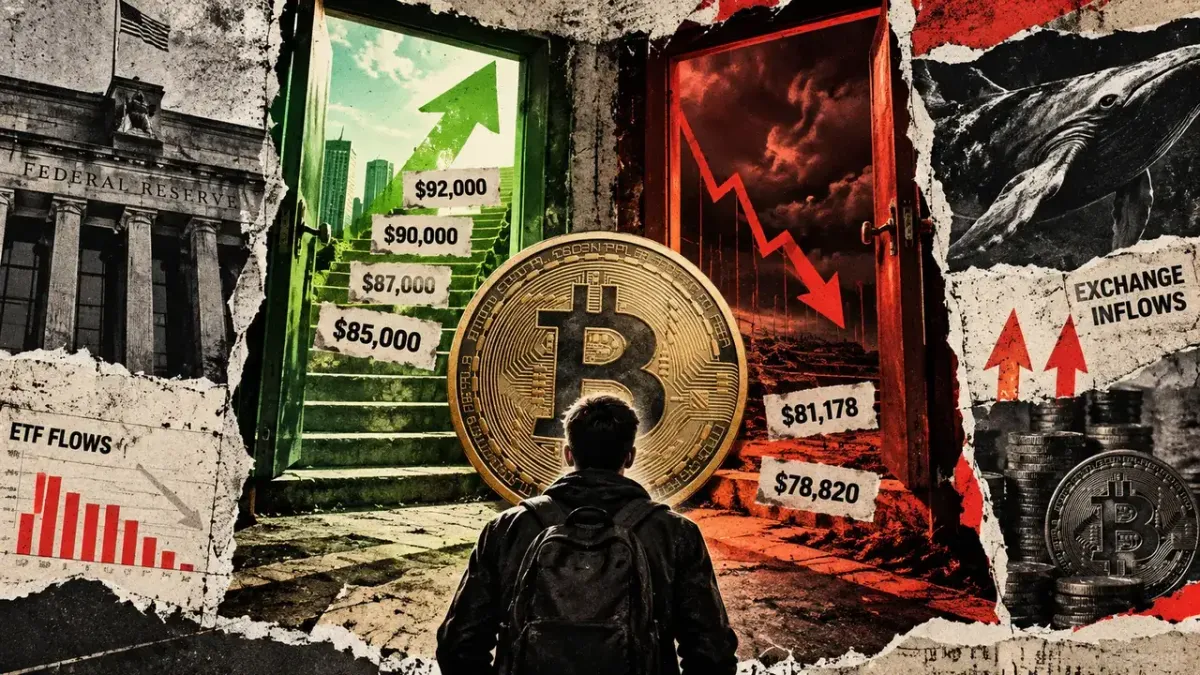
Bitcoin's weekly close above $81,000 signals potential rise to $90,000

Elon Musk's X integrates bitcoin trading options for U.S. users
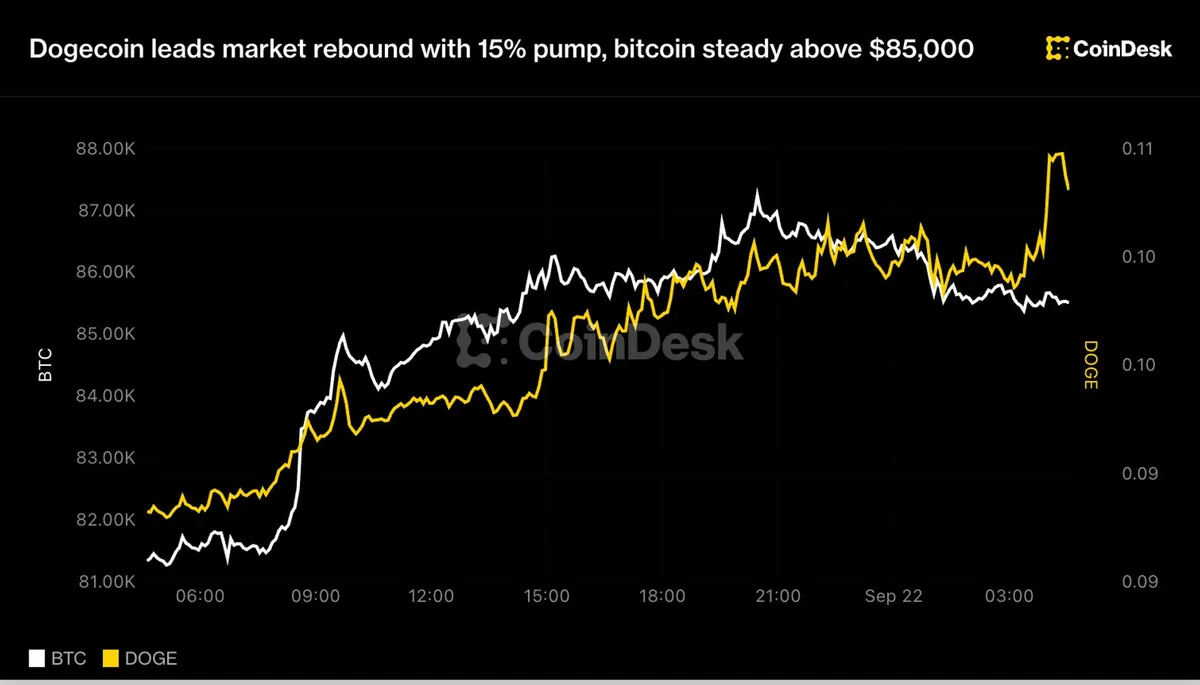
Dogecoin's 15% surge drives market recovery as bitcoin stabilizes above $85,000

Cardano adds tools for AI agent payments, joining Solana and XRP Ledger

Trueo prediction market moves from Base to Ethereum