Iran may be turning the Strait of Hormuz into a bitcoin-based insurance market, local reports say
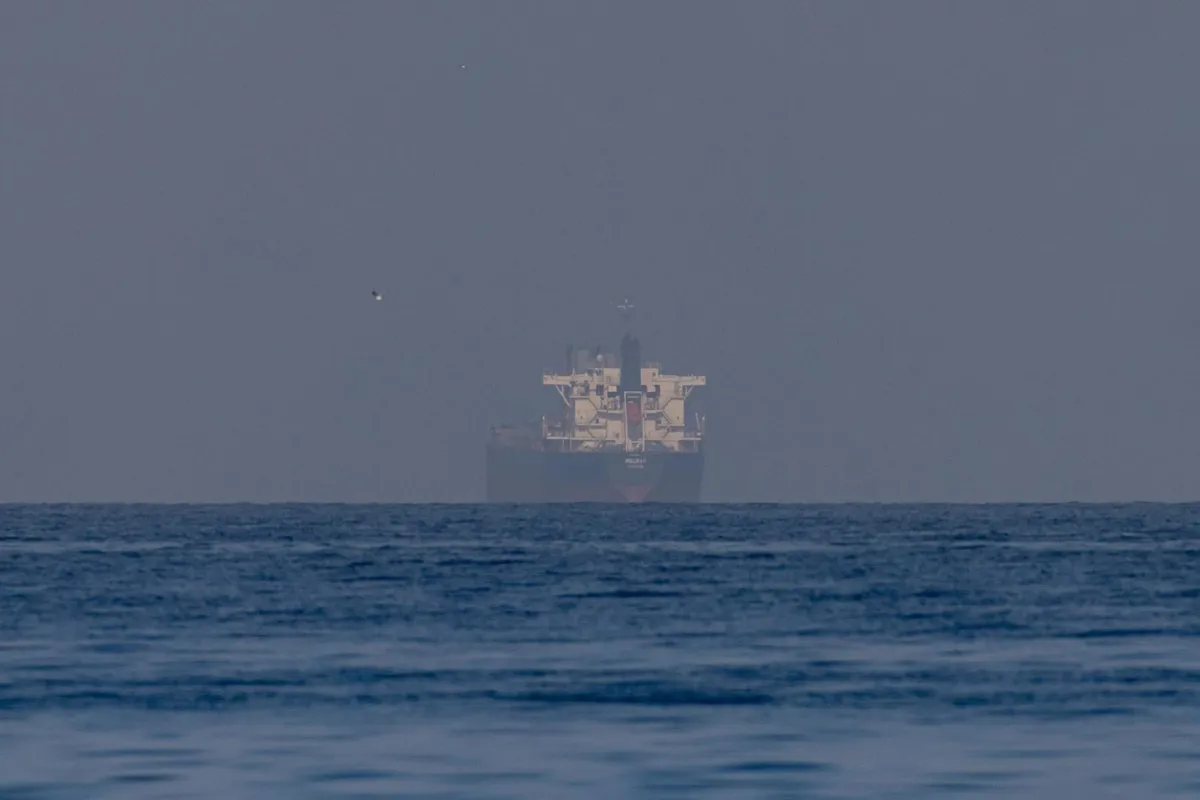
Recent reports indicate that Iran's economy ministry is exploring the creation of a bitcoin-based insurance market to manage shipping activities in the strategically significant Strait of Hormuz. According to state-linked Fars News, the initiative aims to facilitate transactions and provide insurance coverage for vessels operating in this vital waterway, which is crucial for global oil trade. The proposal reflects Iran's ongoing efforts to integrate cryptocurrency into its economic framework, particularly in response to international sanctions and restrictions on its financial transactions.
The Strait of Hormuz, a narrow passage that connects the Persian Gulf with the Arabian Sea, has long been a focal point of geopolitical tension. Approximately 20% of the world's oil passes through this narrow channel, making it a critical artery for global trade. Since the reimposition of sanctions by the U.S. in 2018, Iran has sought innovative ways to bypass traditional financial systems, turning to cryptocurrencies as a potential solution. Developing a bitcoin-based insurance market could enhance Iran's control over maritime commerce while providing a hedge against global financial isolation.
This development has significant implications for the cryptocurrency market and the broader economic landscape. By adopting bitcoin for maritime insurance, Iran could set a precedent for other nations facing similar economic pressures to explore alternative financial solutions. Additionally, this move may lead to increased volatility in the cryptocurrency market as geopolitical tensions fluctuate, particularly if Iran's actions provoke responses from other countries or international entities.
Industry experts have weighed in on the potential ramifications of Iran's proposed plan. Some analysts believe that this approach could legitimize the use of cryptocurrencies in global trade, particularly among nations looking to circumvent sanctions. Others caution that integrating a digital currency into such a high-stakes environment could expose both Iran and participating shipping firms to significant risks associated with cryptocurrency volatility and regulatory scrutiny from other nations.
As this situation unfolds, the next steps for Iran will be critical. If the economy ministry successfully implements this bitcoin-based insurance market, it may lead to new partnerships and collaborations within the crypto space. Furthermore, the global community will likely be closely monitoring how this initiative impacts not only shipping in the Strait of Hormuz but also the broader landscape of international trade and cryptocurrency adoption. The outcome could set a precedent for how nations navigate the challenges posed by sanctions and financial restrictions in the future.

CoinMagnetic Team
Crypto investors since 2017. We trade with our own money and test every exchange ourselves.
Updated: May 2026
From our insights:
Related news

GameStop possibly forfeits $31 million in Bitcoin gains from options trade

Researchers trace 1.1 million Bitcoin to early miner but Satoshi's identity remains unclear

Bitcoin, ether perpetual volumes on Kalshi are dominated by an unusual, repetitive trade, data shows
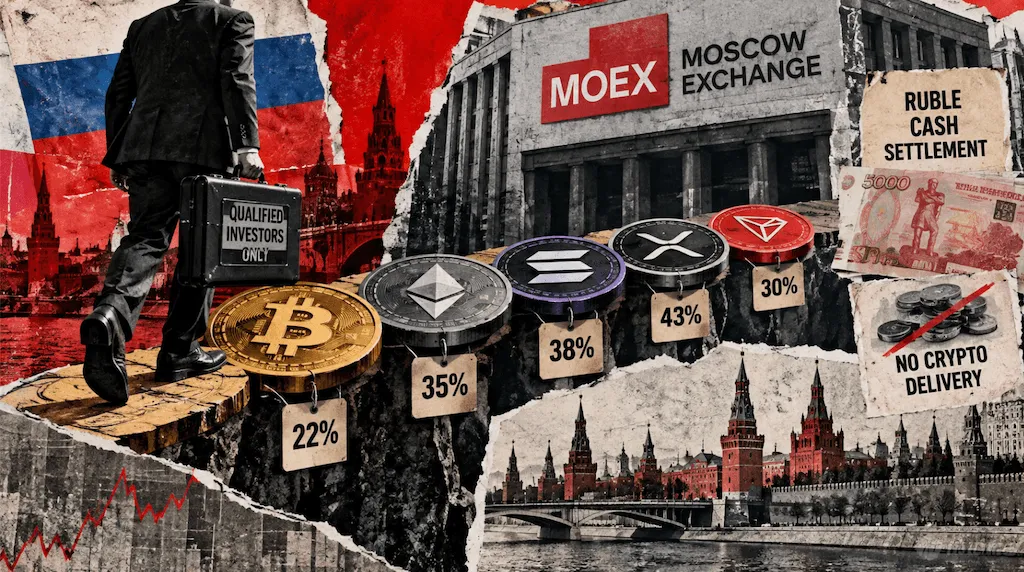
Moscow Exchange introduces 5 crypto perpetual futures amid 600 billion ruble demand

SoFi begins stablecoin settlement on Mastercard network for program expected to exceed $25 billion in annualized volume