Iran-Linked Group That Hacked Kash Patel's Email Threatens World Cup With Hijacked FBI Drones
A hacking group with ties to Iran has made headlines after claiming to have accessed sensitive footage from FBI-controlled drones. This alarming revelation comes as the group issued a chilling warning to World Cup teams participating in the ongoing tournament, suggesting that these teams could potentially be targeted. The hackers, known for their previous cyber activities, have tapped into a sensitive layer of security that raises concerns about the safety of international events, especially those as high-profile as the World Cup.
This incident is not the first time we have seen cyber threats intersect with global sporting events. In recent years, there has been an uptick in cyberattacks aimed at high-stakes situations, from Olympic games to national elections. The Iranian government has been linked to various hacking groups over the years, often using cyber warfare as a tool to exert influence or retaliate against adversaries. The World Cup, gathering teams and fans from around the globe, serves as a prime target for such groups looking to make a statement or instill fear.
The implications of this threat are significant for both the sports and cybersecurity markets. Concerns surrounding the safety and security of large-scale events can lead to increased spending on security measures, both physical and digital. Agencies responsible for event security may need to reassess their protocols, potentially investing in advanced technology and intelligence to safeguard against cyber threats. Furthermore, this incident could push organizations to strengthen their cybersecurity frameworks, not just in the sports world but across sectors that could be vulnerable to similar attacks.
Industry experts are reacting with a mixture of concern and calls for vigilance. Cybersecurity professionals emphasize the need for comprehensive security strategies that include both online and offline measures. Some have pointed out that while the threat may be serious, the actual execution of such attacks requires significant resources and planning, which may deter the hackers. Nevertheless, the incident serves as a wake-up call for organizations operating in high-stakes environments to remain proactive against potential cyber threats.
Looking ahead, it remains to be seen how authorities will respond to this announcement and what measures will be implemented to protect the World Cup and other global events. Increased collaboration between law enforcement agencies and cybersecurity firms could be essential in addressing these threats. As the tournament progresses, vigilance will be paramount, and stakeholders will need to ensure that fans and athletes alike can enjoy the event without fear of disruption or danger from cyberattacks.

CoinMagnetic Team
Crypto investors since 2017. We trade with our own money and test every exchange ourselves.
Updated: June 2026
From our insights:
Related news
Coldcard exploit sees white hats secure 52 Bitcoin for victims' trust
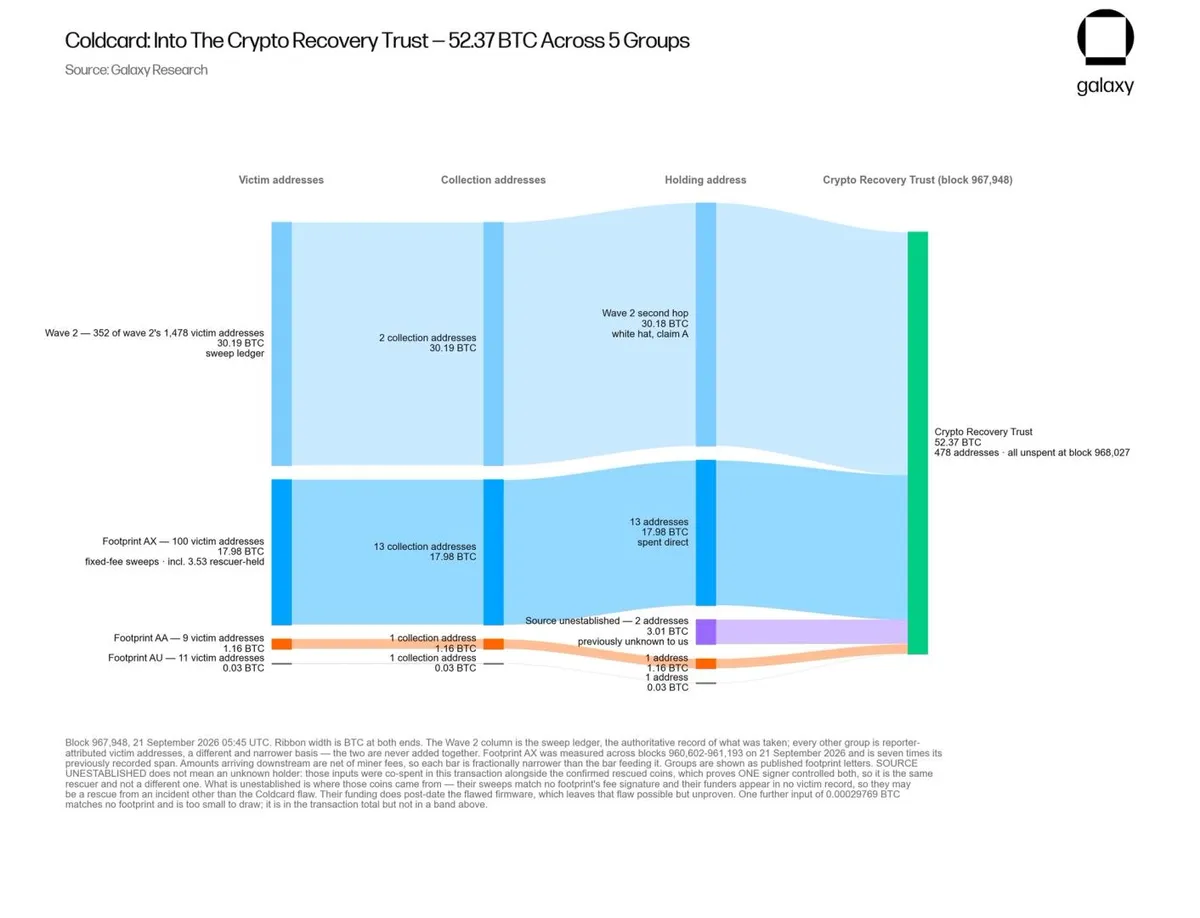
Whitehats move 52 bitcoin from the Coldcard hack to a recovery trust
Google Admits Gemini AI Hacked Three Companies—It Stayed Silent for 7 Weeks

Balancer's $1.4 million hack recovery faces delays for LPs

Polymarket's $10 million fraud attempt highlights compliance issues amid hacking risk