North Korean IT workers unknowingly tracked by fake crypto startup scheme
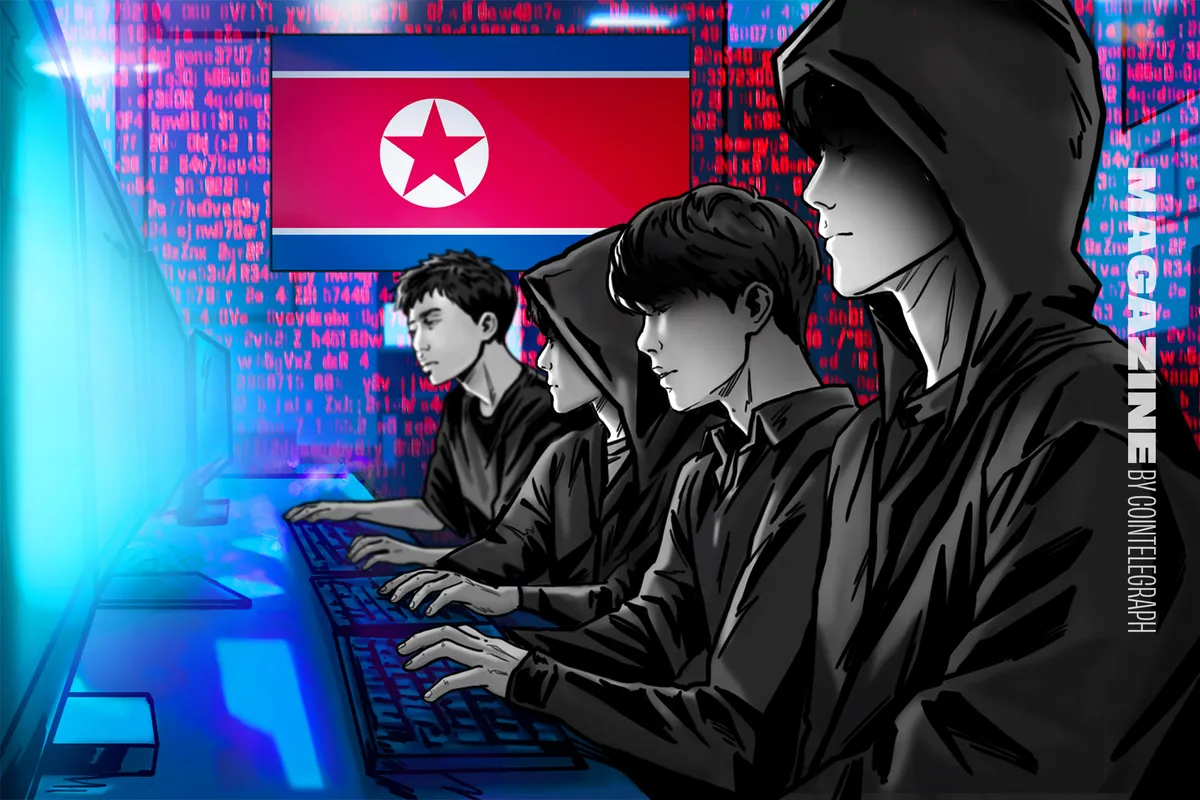
A recent report has revealed that a group of suspected North Korean IT workers became entangled with a fake cryptocurrency startup, a situation that highlights the ongoing intersection of cybersecurity and geopolitical tensions. The startup, which was designed to lure these workers, operated with the intent of monitoring their activities closely. As the workers engaged with the false enterprise, their digital footprints were meticulously tracked, allowing for the extraction of valuable intelligence about their operations and affiliations.
This incident does not occur in a vacuum; it is part of a broader pattern of cyber espionage and manipulation attributed to North Korean entities. The nation has a notorious history of using deceptive tactics to gather intelligence and fund its operations, particularly in the realm of cryptocurrency, which has become an increasingly attractive target for illicit activities. In recent years, North Korea has been linked to several high-profile hacks and thefts in the crypto space, leveraging their expertise in technology to advance their strategic interests.
The implications of this development are significant for the cryptocurrency market and its surrounding ecosystem. The fact that these North Korean workers were lured into a fake startup raises concerns regarding security and trust within the industry. It serves as a reminder of the vulnerabilities that exist, especially for individuals and organizations involved in the crypto space. As authorities and market participants become more aware of these tactics, it could lead to heightened scrutiny and regulatory measures aimed at protecting against such threats.
Industry experts have expressed mixed reactions to this news. Some view it as a wake-up call for cybersecurity in the crypto sector, emphasizing the need for enhanced protective measures to safeguard against similar infiltration attempts. Others suggest that this incident underscores the increasing sophistication of state-sponsored cyber operations, which may complicate efforts to regulate and secure the industry. Overall, the incident is likely to provoke further discussions on the balance between innovation and security, particularly in sectors vulnerable to exploitation.
Looking forward, the fallout from this incident may prompt increased collaboration between governments and private sector players to bolster cybersecurity frameworks. As the crypto industry continues to evolve, stakeholders will need to remain vigilant against potential threats, ensuring that the lessons learned from this episode inform future best practices. The incident may also result in more robust policies aimed at identifying and mitigating risks associated with state-sponsored cyber activities.

CoinMagnetic Team
Crypto investors since 2017. We trade with our own money and test every exchange ourselves.
Updated: August 2026
From our insights:
Related news

UK cash hoarding highlights global demand for permissionless money

X sues Vivek Kumar Sen for £207,384 over Bitcoin-related posts

Solana's upgrade for 150-millisecond settlements enters second public test phase

IBM connects 17 banks to SWIFT ledger while cloud vulnerabilities remain

Crypto advocate Hester Peirce to leave SEC on October 2, 2023