India files charges against 8 defendants in alleged $20 million Coinbase spoofing scam

India's Directorate of Enforcement has taken significant legal action by filing charges against eight individuals, including Chirag Tomar, in connection with a purported $20 million spoofing scheme involving Coinbase. The charges allege that these defendants engaged in manipulative trading practices, specifically spoofing–where buy or sell orders are placed with the intention of cancelling them before execution, creating a misleading appearance of supply or demand. This operation reportedly allowed the defendants to profit at the expense of unsuspecting market participants.
The backdrop of this case lies in the growing scrutiny of cryptocurrency exchanges and trading practices, particularly in major markets like India. Spoofing has been a long-standing issue in traditional financial markets, and its emergence in the crypto space has raised alarms among regulators and investors alike. India's regulatory landscape has been evolving, with heightened efforts to clamp down on illicit trading activities and fraudulent schemes, particularly as the country continues to navigate its stance on cryptocurrencies.
This development is particularly significant for the cryptocurrency market as it highlights the ongoing challenges of market manipulation and the need for regulatory oversight. The alleged involvement of a well-known platform like Coinbase adds an additional layer of complexity to the situation, as it raises questions about the security and integrity of trading on such exchanges. For investors, this could lead to increased caution and scrutiny regarding trading practices, potentially impacting trading volumes and the overall market sentiment.
Industry reactions to these charges have varied, with some experts emphasizing the necessity of regulatory frameworks to ensure fair trading practices within the crypto market. Others have pointed to the need for exchanges to implement more robust monitoring systems to detect and prevent spoofing and other manipulative activities. As the case unfolds, it may prompt further discussions about best practices in trading and the responsibilities of both traders and platforms in maintaining market integrity.
Looking ahead, it will be crucial to monitor the outcomes of this case and any potential repercussions it may have on the broader regulatory environment in India. If the Directorate of Enforcement's claims are substantiated, we could see more stringent regulations or enforcement actions targeting manipulative trading practices in the crypto space. This may also serve as a wake-up call for traders to reassess their strategies and for exchanges to bolster their compliance measures to better protect themselves and their users from future fraudulent activities.

CoinMagnetic Team
Crypto investors since 2017. We trade with our own money and test every exchange ourselves.
Updated: June 2026
From our insights:
Related news
Coldcard exploit sees white hats secure 52 Bitcoin for victims' trust
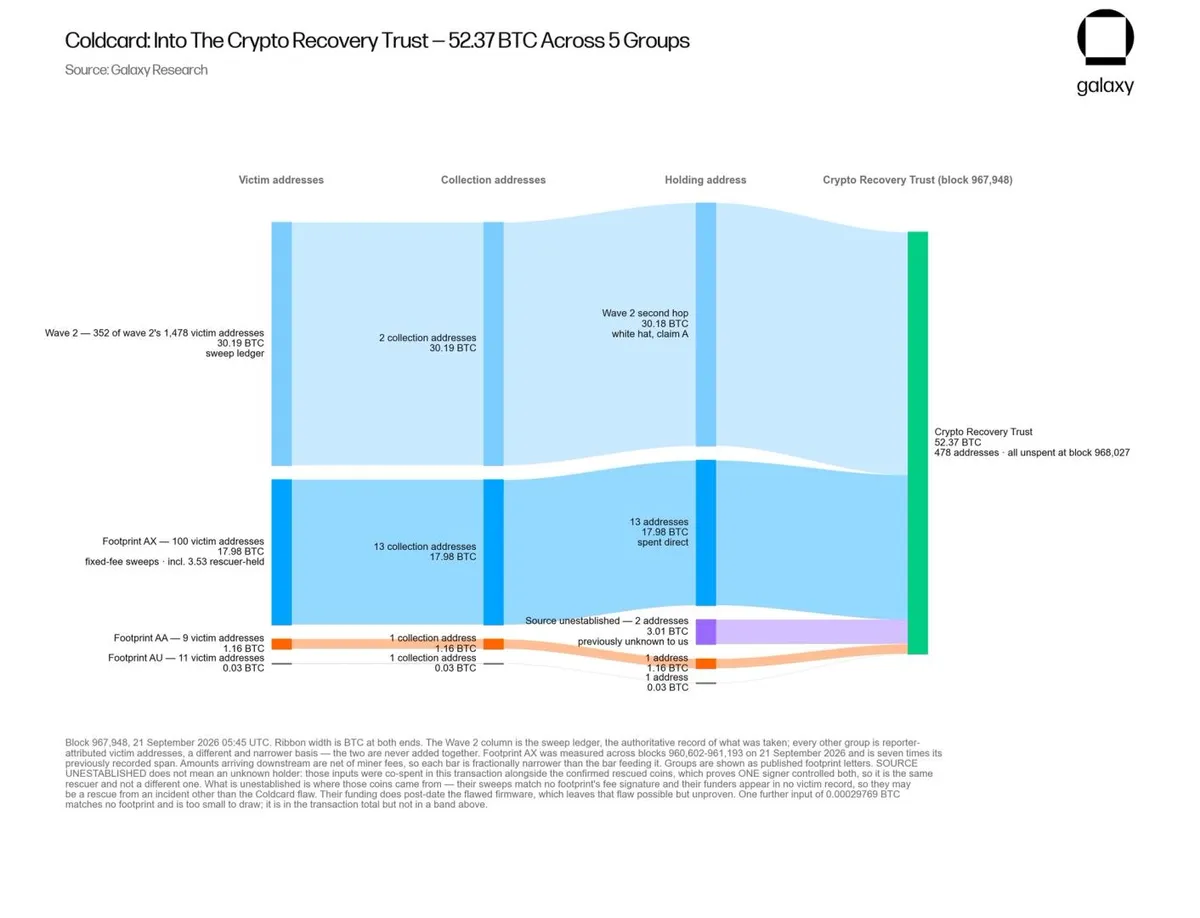
Whitehats move 52 bitcoin from the Coldcard hack to a recovery trust

Google Admits Gemini AI Hacked Three Companies—It Stayed Silent for 7 Weeks

Balancer's $1.4 million hack recovery faces delays for LPs

Polymarket's $10 million fraud attempt highlights compliance issues amid hacking risk