‘In the shadow of geopolitics and AI’: Bitcoin hovers near cycle lows as ETF outflows and rate fears deepen worst stretch of 2026

Bitcoin is currently trading near $61,000, hovering close to its cycle lows as a mix of geopolitical tensions, inflation concerns, and significant exchange-traded fund (ETF) outflows continue to exert pressure on the market. This challenging climate has led to heightened uncertainty among investors, prompting ongoing discussions about whether the cryptocurrency has reached a bottom or if further declines are on the horizon. The combination of these factors has resulted in one of the toughest stretches for Bitcoin in recent years, raising questions about its resilience in the face of external challenges.
The backdrop of this situation includes a complex web of geopolitical factors, including ongoing conflicts and economic instability in various regions. Additionally, inflation fears persist as central banks worldwide grapple with rising costs, leading to speculation about potential interest rate hikes. ETF outflows have further exacerbated the situation, as institutional investors appear to be re-evaluating their positions in cryptocurrencies. This confluence of factors has created a precarious environment for Bitcoin, which has historically reacted sensitively to macroeconomic shifts.
This scenario is particularly significant for the broader cryptocurrency market, as Bitcoin often serves as a bellwether for other digital assets. The current price levels could influence investor sentiment across the board, affecting altcoins and other cryptocurrencies. If Bitcoin continues to falter, it may lead to a cascading effect on the market, resulting in increased volatility and further outflows from digital asset funds. Conversely, if investors perceive this as a buying opportunity, it could potentially stabilize or even enhance market confidence.
Industry reactions have been mixed, with some experts suggesting that the current price action reflects a necessary correction rather than a long-term downturn. Analysts emphasize the importance of monitoring macroeconomic indicators and geopolitical developments, as these will likely play a critical role in shaping Bitcoin's trajectory in the coming months. Others express concerns about the implications of ETF outflows, warning that they could signal a shift in institutional interest in the asset class. Nevertheless, many remain optimistic about Bitcoin's fundamentals and long-term potential.
Looking ahead, the coming weeks will be crucial for Bitcoin and the overall cryptocurrency market. As investors digest the latest developments in geopolitics and inflation, attention will also turn to any regulatory changes that may impact the landscape, particularly regarding ETFs. The market's reaction to these factors could either solidify the current downturn or pave the way for a recovery. With all eyes on Bitcoin, the next moves will be closely watched by both seasoned investors and newcomers alike.

CoinMagnetic Team
Crypto investors since 2017. We trade with our own money and test every exchange ourselves.
Updated: June 2026
From our insights:
Related news

OpenAI cuts prices 50% on mid-tier models as Anthropic unveils Claude Opus 5.5

Bernstein revises prediction markets to $10 trillion by 2035, up from $1 trillion
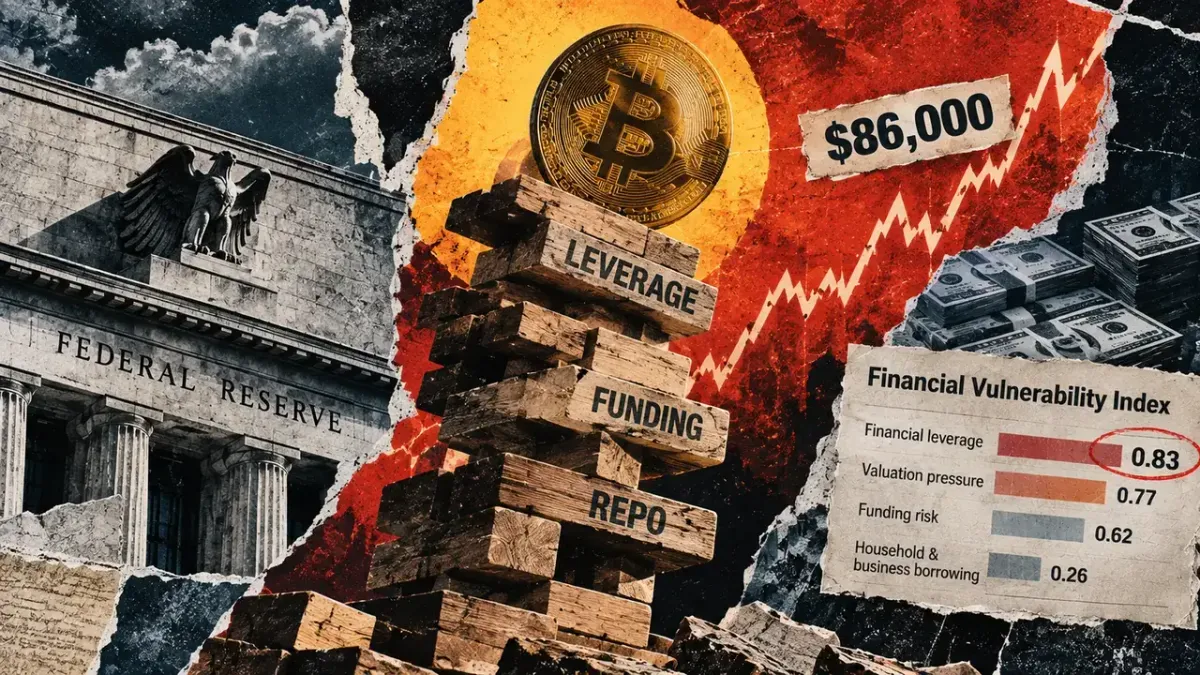
New Fed data reveals potential dangers in Bitcoin's rally

Anthropic’s New Claude Opus 5.5 Matches Fable at 60% the Price

Elon Musk's influence drives Dogecoin to highest price in months