IMF says policy choices will determine whether tokenization strengthens or fragments the financial system
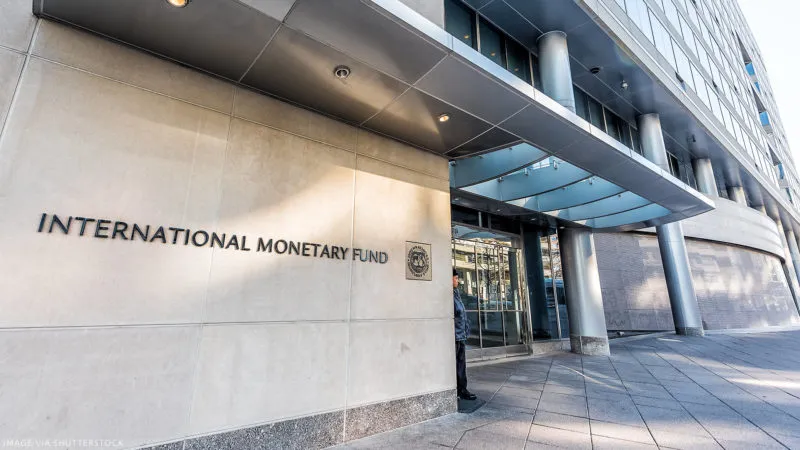
In a recent statement, Tobias Adrian, the Financial Counsellor and Director of the Monetary and Capital Markets Department at the International Monetary Fund (IMF), emphasized the critical role that policy choices will play in determining the impact of tokenization on the financial system. As this innovative technology continues to gain traction, Adrian warned that the risks associated with financial transactions may not simply disappear but instead shift from traditional banks to market infrastructure providers and smart contracts. This insight highlights the dual-edged nature of tokenization, which has the potential to enhance efficiency while simultaneously introducing new vulnerabilities.
The concept of tokenization, which refers to the process of converting rights to an asset into a digital token on a blockchain, has been gaining momentum in recent years. Its proponents argue that tokenization can democratize access to investment opportunities, improve liquidity, and streamline various aspects of financial transactions. However, the rise of this technology also raises concerns regarding regulatory oversight and the implications for financial stability. Historically, financial systems have relied on banks as intermediaries, but as tokenization disrupts traditional models, the implications for oversight and risk management become increasingly complex.
The significance of Adrian's remarks cannot be overstated, particularly as the crypto market continues to evolve. The shift of risks from banks to other entities could lead to a fragmentation of the financial system, creating new challenges for regulators and market participants. Investors and stakeholders are closely observing how these dynamics will unfold, as they could have profound implications for market stability and the overall adoption of tokenized assets. The tension between innovation and regulation is palpable, and how policymakers respond will be crucial in shaping the future landscape of finance.
Industry reaction to Adrian's comments has been mixed, with some experts highlighting the necessity for robust regulatory frameworks to ensure that risks are managed effectively. Others argue that overly stringent regulations could stifle innovation and hinder the potential benefits of tokenization. The challenge lies in finding a balance that encourages technological advancement while safeguarding the financial system. Market analysts suggest that increased dialogue between regulators and industry players will be essential in crafting policies that support sustainable growth in tokenized assets.
Looking ahead, it is evident that the discourse surrounding tokenization and its implications for the financial system is just beginning. As both the technology and regulatory landscape evolve, stakeholders will need to remain vigilant and adaptable. The coming months will likely see increased collaboration among policymakers, financial institutions, and tech innovators to navigate the complexities of this emerging paradigm. How these developments unfold will be critical in determining whether tokenization ultimately strengthens the financial system or leads to fragmentation.

CoinMagnetic Team
Crypto investors since 2017. We trade with our own money and test every exchange ourselves.
Updated: July 2026
From our insights:
Related news

Porsche's Web3 project and Pioneers Circle community wrap up in under four years

Utexo to enable private USDT transfers and BTC swaps on Bitcoin this month
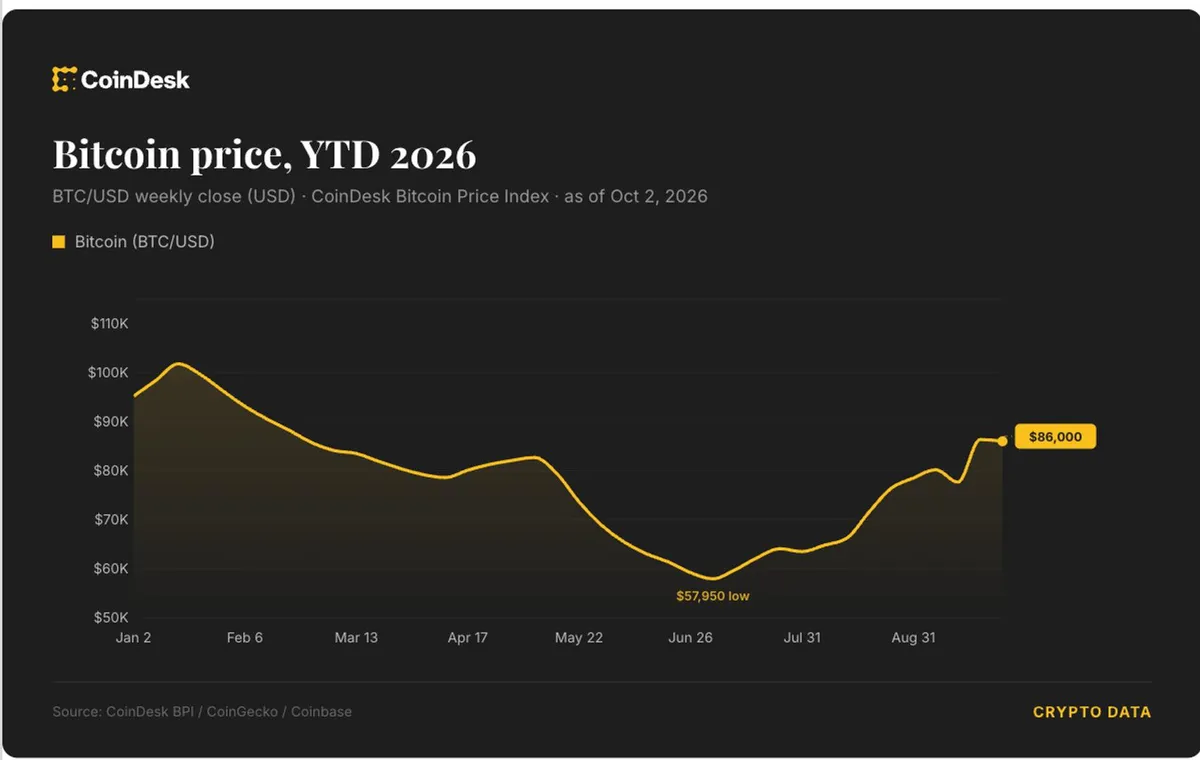
Bitcoin climbs to $86,000 as traders anticipate U.S. jobs report
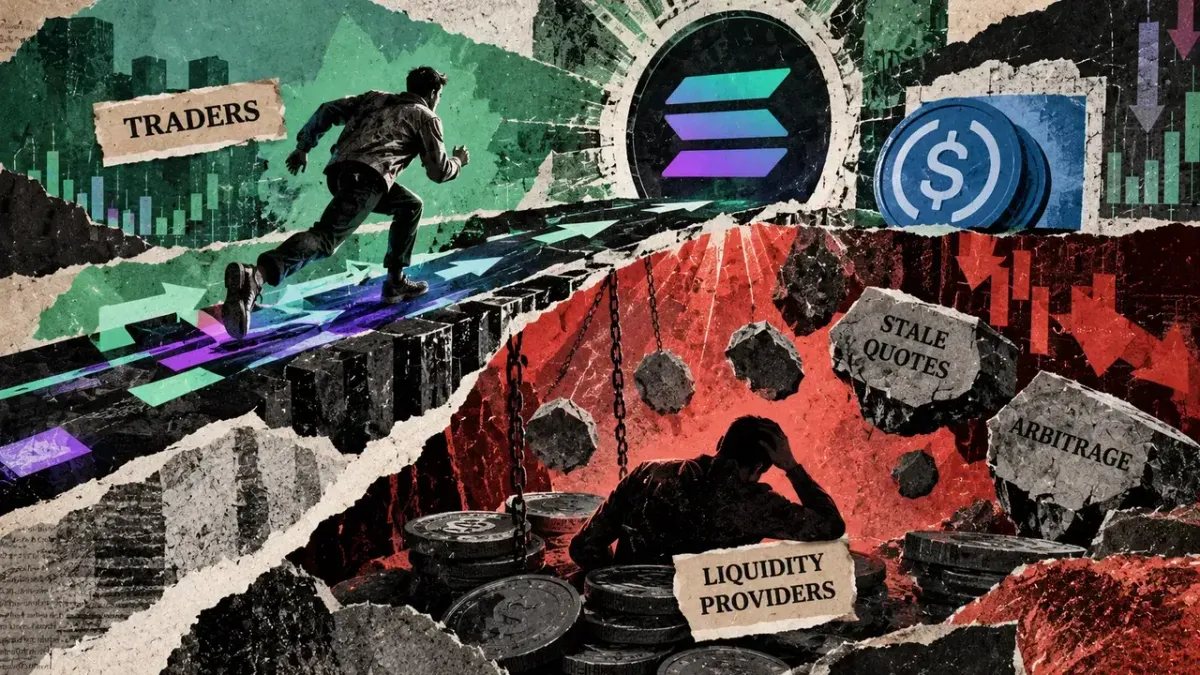
PropAMMs lower Solana trade costs, and public pool returns crash

Ethereum's zkAPI launches on mainnet for private API payments