IMF says Nigeria’s stablecoin adoption is ‘testing the limits’ of monetary and regulatory frameworks

The International Monetary Fund (IMF) recently issued a statement regarding the burgeoning adoption of stablecoins in Nigeria, suggesting that it is "testing the limits" of the country's monetary and regulatory frameworks. The IMF highlighted the rapid growth of these digital currencies and their implications for the existing financial system. In its assessment, the organization warned of potential risks associated with "digital dollarization," which refers to the increasing use of foreign stablecoins, particularly the US dollar, in domestic markets. This trend could undermine the control that central banks have over monetary policy and financial stability.
To understand the significance of this development, it is essential to consider Nigeria's economic landscape. The country has experienced considerable inflation and currency volatility, prompting many citizens to seek alternative financial solutions. Stablecoins, which are designed to minimize price fluctuations by pegging their value to stable assets like fiat currencies, have gained traction among Nigerians as they look for ways to preserve their wealth. However, the IMF's concerns reflect a broader apprehension about how such innovations intersect with established regulatory practices and the potential consequences for the central bank's authority.
The implications of the IMF's warning extend beyond Nigeria's borders, as the rise of stablecoins could have ripple effects throughout the global financial system. If more countries experience similar trends, we may witness a shift in how monetary policy is conducted and a reevaluation of regulatory frameworks worldwide. The potential for digital dollarization to challenge the dominance of national currencies raises important questions about sovereignty and financial stability. Policymakers will need to carefully consider how to integrate these innovations while safeguarding economic integrity.
Industry experts have weighed in on the IMF's statement, with some emphasizing the necessity for adaptive regulatory approaches. Many believe that the emergence of stablecoins presents an opportunity for innovation in the financial sector, but it also requires a proactive stance from regulators. As stablecoins gain popularity, experts argue that regulatory frameworks must evolve to address the complexities of digital currencies without stifling innovation. The dialogue surrounding stablecoin adoption in Nigeria serves as a crucial case study for other nations grappling with similar challenges.
Looking ahead, it remains to be seen how Nigerian authorities will respond to the IMF's assessment. The central bank may need to reassess its regulatory stance and consider implementing measures to ensure financial stability while fostering innovation. As the landscape shifts, continued dialogue among stakeholders–including regulators, industry players, and consumers–will be essential to navigate the complexities of stablecoin adoption and its broader implications for the financial ecosystem.

CoinMagnetic Team
Crypto investors since 2017. We trade with our own money and test every exchange ourselves.
Updated: June 2026
From our insights:
Related news

SoFi begins stablecoin settlement on Mastercard network for program expected to exceed $25 billion in annualized volume
A $3.2 million 'bitcoin butterfly' option trade bets on $95,000 by the end of October

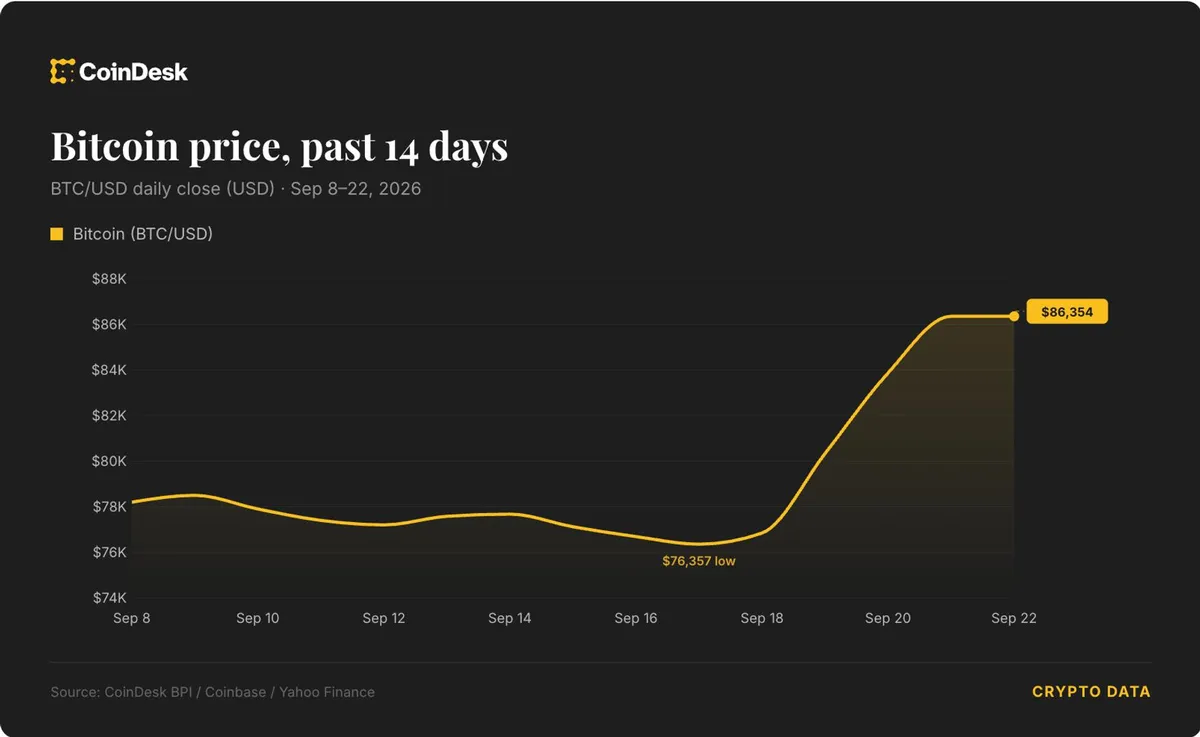
Bitcoin surges past $86,000 as $1 billion in shorts are liquidated, eyes on $90,000
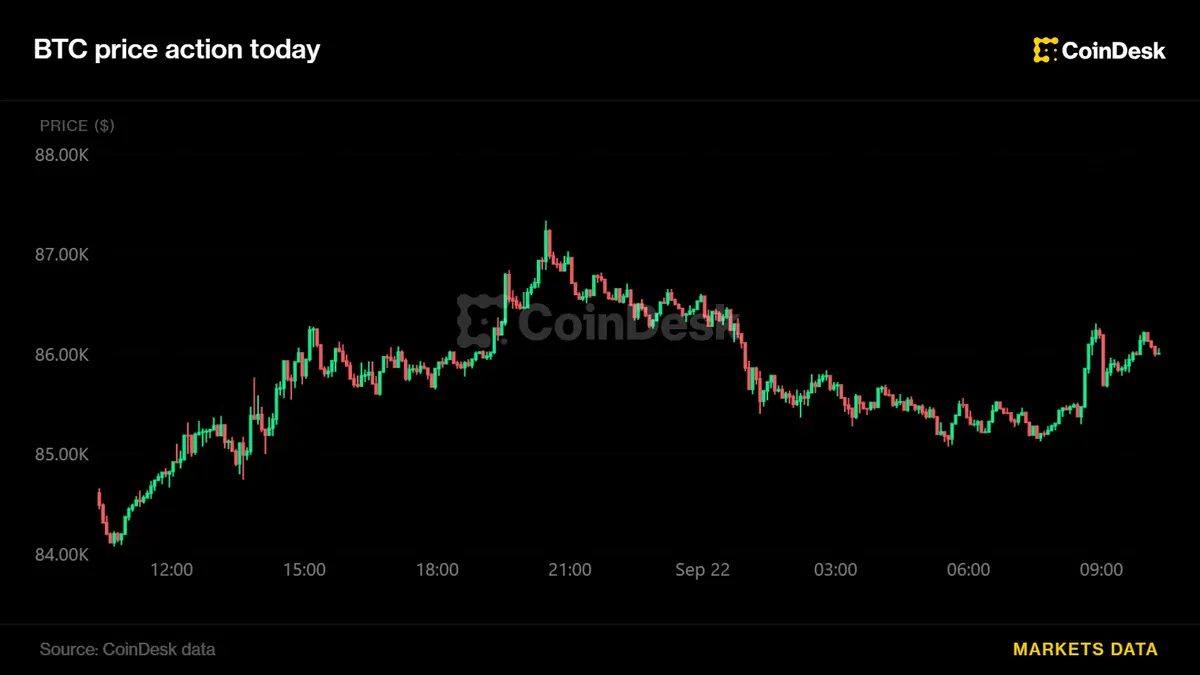
Bitcoin bounces back to $86,000 as oil prices decline and stocks rise

Prediction markets projected to reach $10 trillion by 2035, surpassing sports