If the Fed trusts this single 2.2% metric, Bitcoin could break $65.3k and ignite a path to $68k
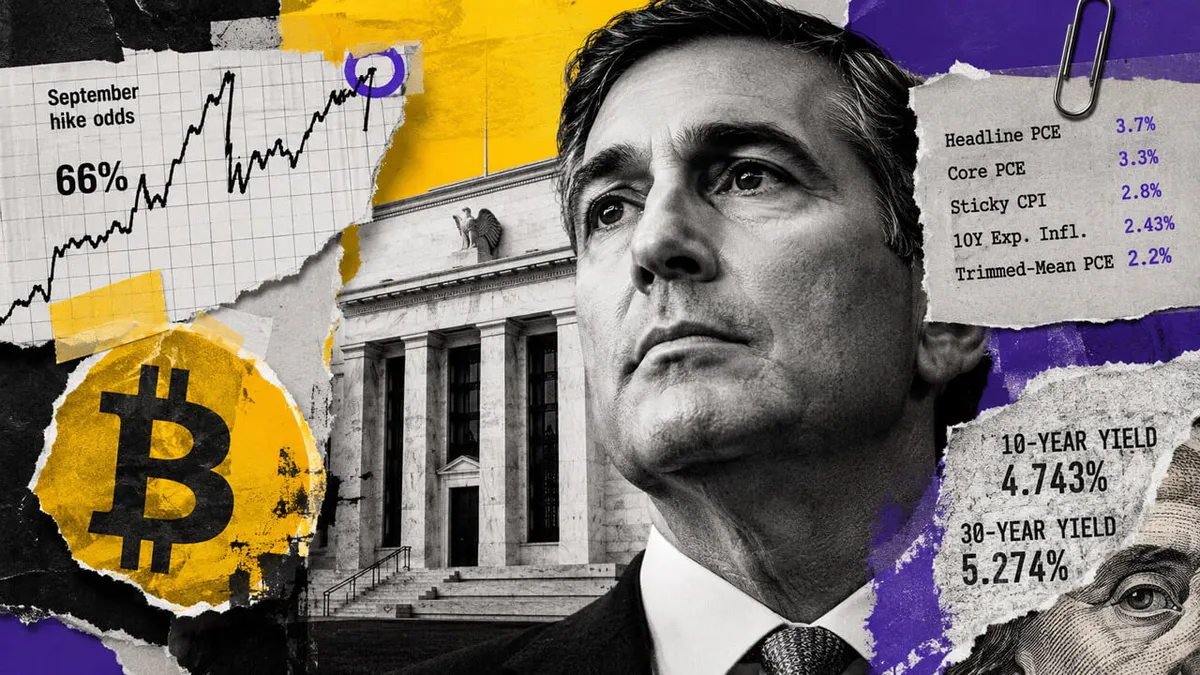
Bitcoin is currently hovering around the $63,000 mark, with market participants closely watching the Federal Reserve's upcoming decisions. Recent indications suggest a significant probability–approximately 66%–that the Fed will raise interest rates in September. This anticipation is influenced by the Fed's focus on a specific inflation metric, reportedly set at 2.2%. The metrics guiding the Fed's policy framework remain somewhat opaque, particularly under the leadership of Fed Chair Kevin Warsh, who has elucidated his strategy but has not fully disclosed how he interprets and weighs the various indicators influencing his judgments on inflation.
Understanding the context behind the Fed's monetary policy is crucial. Historically, the Fed has aimed for a stable inflation rate of around 2%, adjusting interest rates in response to economic indicators to maintain this balance. The current focus on the 2.2% inflation metric, however, has introduced a layer of complexity, as it is not only about hitting targets but also about the underlying trends in inflation, which can influence economic growth. With inflation concerns still looming in the background, market participants are left speculating on how these indicators will shape future monetary policy and, in turn, impact Bitcoin and other cryptocurrencies.
The implications of the Fed's decisions are significant for the cryptocurrency market. If Bitcoin crosses the $65,300 threshold, it could pave the way for a potential rally towards the $68,000 mark. Such a price movement would likely be fueled by renewed investor confidence and a bullish sentiment towards Bitcoin as a hedge against inflation. Additionally, the interplay between traditional financial markets and cryptocurrencies is becoming increasingly pronounced, making the Fed's actions more impactful on digital assets than ever before.
Industry experts have weighed in on this developing situation, noting that the relationship between Bitcoin and traditional monetary policy is becoming more critical. Some analysts suggest that should the Fed maintain its accommodative stance, it may lead to increased capital inflows into Bitcoin, driving prices upward. Conversely, if the Fed opts for a more aggressive approach to curbing inflation, it could lead to increased volatility in the crypto markets. There is a general consensus that clarity from the Fed could either bolster or hinder Bitcoin's momentum in the near term.
Looking ahead, all eyes will be on the Federal Reserve's upcoming announcements and the response from the market. As investors navigate the complexities of inflation indicators and interest rate adjustments, Bitcoin's trajectory will likely remain closely tied to these macroeconomic factors. The potential breakout above $65,300 could signal a new chapter for Bitcoin, but the path forward remains uncertain as the market reacts to evolving economic conditions and monetary policy decisions.

CoinMagnetic Team
Crypto investors since 2017. We trade with our own money and test every exchange ourselves.
Updated: August 2026
From our insights:
Related news

Stablecoins struggle as ETH and SOL surge raises $20 billion DeFi questions

Japan's 20-year bond auction clears at 3.856%, raising concerns for Bitcoin

Regulatory progress may not push Bitcoin past $76,000 despite CLARITY win

Bitcoin price drops to $75.6K as bond yields reach multidecade highs

Bitcoin price recovery unlikely to lure AI-focused miners back, CoinShares says