Ethereum's proposed 54% reward cut could turn DeFi loop into a loss machine

Ethereum is facing significant changes as the community considers a new proposal that would drastically reduce staking rewards for validators. Outlined in Ethereum Improvement Proposal 8361 (EIP-8361), this proposal aims to cut the yield from 2.6% down to approximately 1.2%–a staggering 54% reduction that would be implemented over an 18-month period. This change is designed to adjust the rewards mechanism, where validators would lose a larger portion of their consensus rewards as the total amount of staked ETH increases. Such a shift could have profound implications for the DeFi landscape, particularly for those relying on Ethereum staking.
The background of this proposal comes at a time when Ethereum has been working to enhance its scalability and sustainability, especially following the transition to a proof-of-stake model. The staking rewards have been a crucial incentive for users to lock up their ETH, promoting network security and participation. However, as the Ethereum network matures and more ETH is staked, the need to reassess reward structures has emerged, prompting discussions among developers and stakeholders about the long-term viability of existing rewards.
This change matters significantly for the market as it may alter the economic incentives for validators and stakers. A reduction in rewards could discourage participation and lead to lower staking rates, potentially impacting the overall security of the Ethereum network. Additionally, the shift could reshape the DeFi landscape, where many protocols depend on staking for yield generation, thereby transforming a once lucrative opportunity into a daily loss for some participants.
Industry experts have begun to weigh in on the implications of EIP-8361. Many express concerns that such a drastic cut could deter new validators from joining the network, leading to centralization risks as fewer validators may dominate staking. Others argue that this proposal could foster a healthier ecosystem in the long run by encouraging more sustainable growth and reducing the speculative nature of staking rewards. The mixed reactions highlight the complexity of balancing incentives with network health in the rapidly evolving Ethereum ecosystem.
Moving forward, the fate of EIP-8361 will hinge on community discussions and governance processes. If approved, stakeholders will need to adapt to the new rewards structure and its implications for their strategies. The next few months will be critical as the Ethereum community deliberates on this proposal, and how it will affect the future of staking and DeFi initiatives on the platform.

CoinMagnetic Team
Crypto investors since 2017. We trade with our own money and test every exchange ourselves.
Updated: August 2026
From our insights:
Related news

XRPL leverages mathematical proofs to secure its upcoming lending market

Hyperliquid's new lending feature coincides with HYPE's ATH above $90
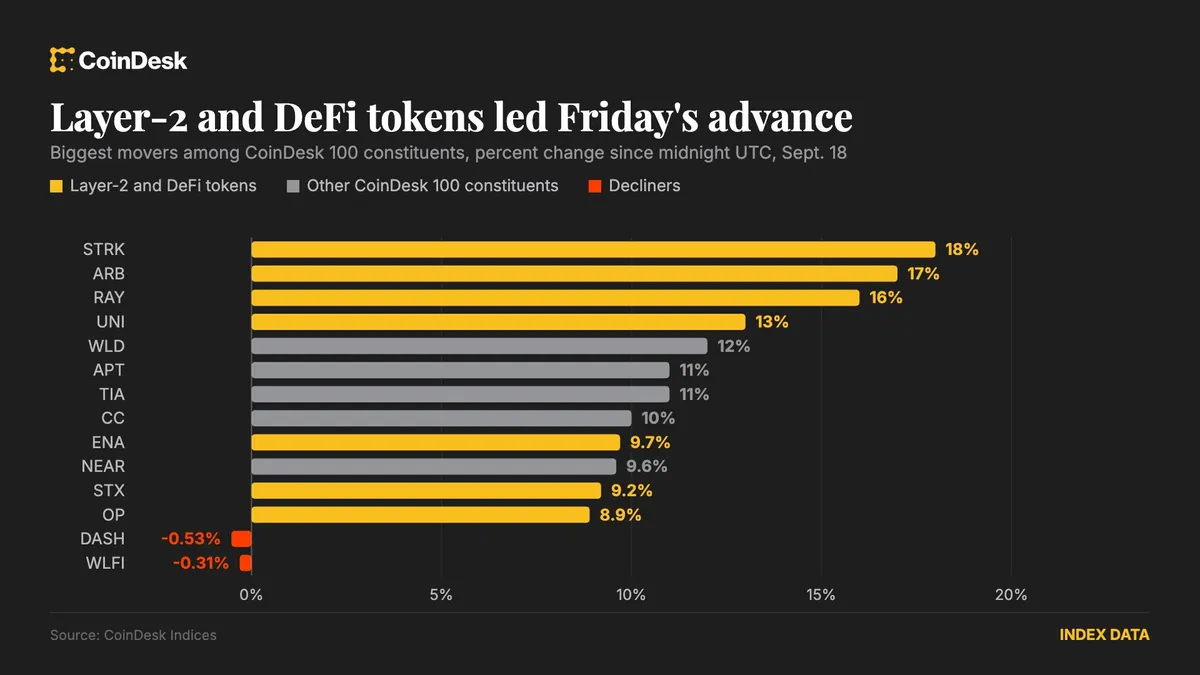
Starknet and Arbitrum surge over 17% as crypto market stabilizes post-Fed hike

Federal Reserve hike raises Treasury yields, pressuring crypto lending rates

XRPL's closed-ended vaults may restrict XRP access for long periods