Hyperliquid introduces allowlists for market operators to control access
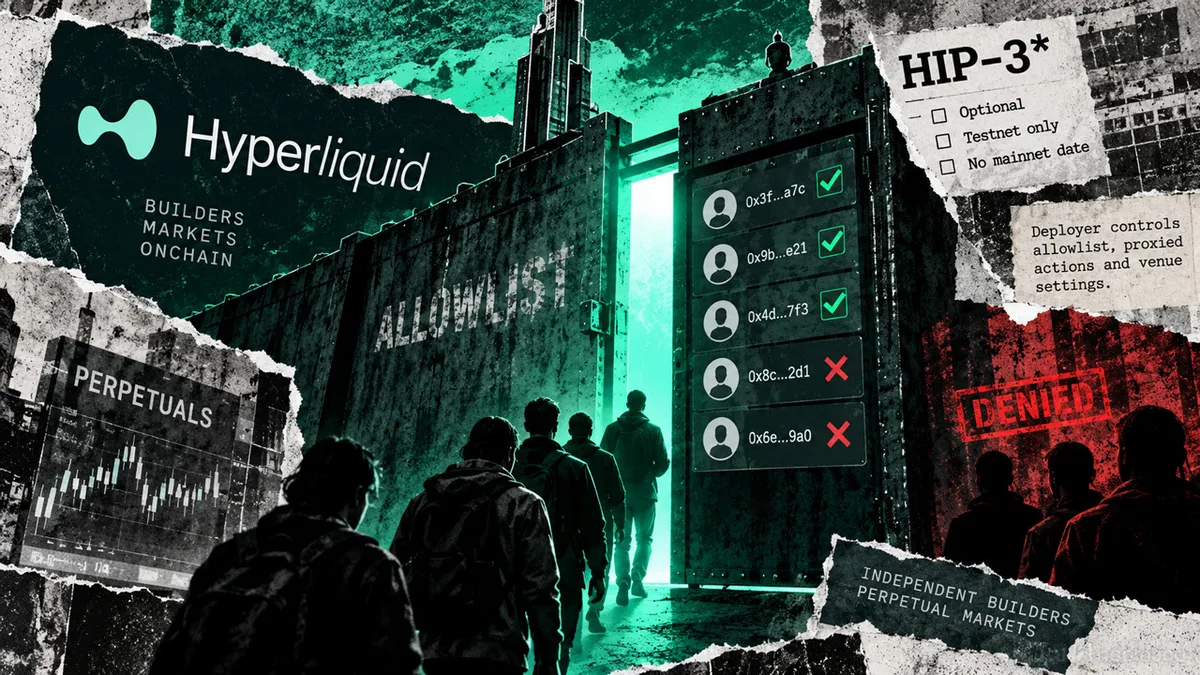
Hyperliquid is testing a new feature called HIP-3*, which will allow operators to implement allowlists for their markets. This initiative is designed to give market operators the ability to restrict access to specific participants without altering the existing permissionless structure of their markets. This means that while some users can be granted access, others can be excluded based on the criteria set by the operators. The goal is to enhance the control operators have over their trading venues while maintaining the fundamental ethos of decentralization that underpins the crypto space.
The introduction of allowlists comes at a time when the balance between decentralization and user control has become a hot topic within the crypto community. Market operators have been seeking ways to manage user engagement and participation effectively while still adhering to the principles of open markets. By integrating allowlists, Hyperliquid aims to provide a tool that meets these needs without compromising the accessibility that users have come to expect from decentralized platforms.
This development is significant for the market as it reflects a growing trend towards customization and control in decentralized finance (DeFi). Allowlists could lead to more secure and curated trading environments, which may attract institutional traders who are often wary of completely permissionless systems. It could also pave the way for more specialized markets, where operators can tailor their offerings to specific user groups, potentially increasing liquidity and trading volume in those areas.
Industry reactions to this announcement have been mixed but generally positive. Some experts believe that this move could help bridge the gap between traditional finance and DeFi by providing a more controlled environment for trading. Others caution that while allowlists may offer benefits, they could also lead to centralization concerns if not implemented carefully. The ongoing dialogue among stakeholders will be crucial in determining how this feature evolves and impacts the broader DeFi landscape.
As Hyperliquid continues to test this feature, the next steps will involve gathering feedback from operators and users alike. The results of these tests will likely shape the final implementation of the allowlist functionality and its adoption across the platform. If successful, this could set a precedent for other decentralized platforms looking to enhance user control while maintaining their core values.

CoinMagnetic Team
Crypto investors since 2017. We trade with our own money and test every exchange ourselves.
Updated: September 2026
From our insights:
Related news

Stablecoin adoption reaches financial advisors as prime time beckons

Fireblocks denies ongoing talks regarding a reported $2.5 billion Visa buyout

Visa eyes $2.5 billion acquisition of crypto custody provider Fireblocks

Bitcoin ETF flows react to past price action rather than predicting future market moves

Ethereum draft proposes four-minute settlement times to reduce crypto transfer costs