Hyperliquid says Kraken parent Payward to be first CFTC-regulated HIP-3 deployer

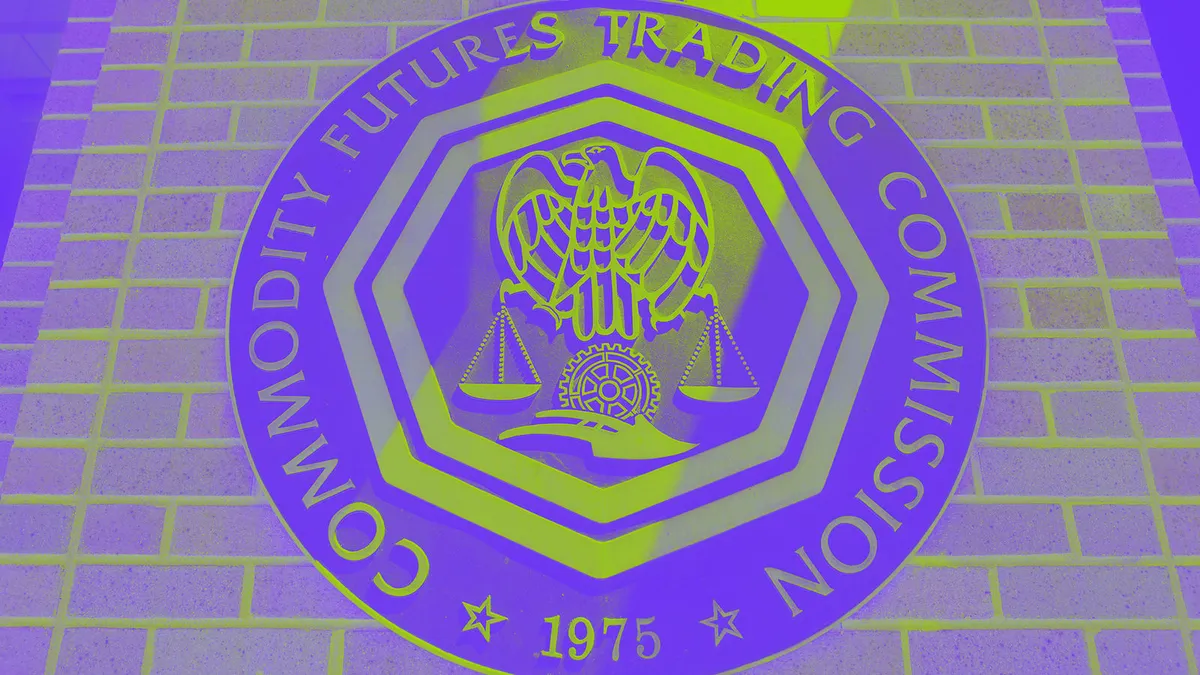
Here at CoinMagnetic, we have been closely following the latest developments in decentralized derivatives, and this week brings a major milestone. Hyperliquid has announced plans to make Payward, the parent company of major exchange Kraken, the very first Commodity Futures Trading Commission-regulated deployer of HIP-3. This strategic move represents a concrete bridge between decentralized trading architecture and strictly regulated financial compliance within the United States market.
To understand the significance of this step, we need to look at how the HIP-3 framework operates within the broader Hyperliquid ecosystem. The protocol has increasingly positioned itself as a scalable foundation for institutional-grade trading infrastructure. By bringing a heavily regulated entity like Payward into the fold as a deployer, the initiative aims to open the door for compliant perpetual futures access for American users, navigating a regulatory landscape that has historically kept decentralized finance at arm's length.
This development matters immensely for the broader cryptocurrency market because it signals a potential blueprint for regulatory integration. For years, decentralized perpetual protocols operated entirely outside traditional oversight, creating a compliance divide that limited institutional participation. If a CFTC-regulated institution successfully deploys and operates within the HIP-3 framework, it could pave the way for other mainstream financial heavyweights to adopt decentralized liquidity layers without running afoul of domestic regulatory bodies.
Industry observers and market analysts are already discussing the dual nature of this integration, weighing the benefits of compliance against the foundational ethos of decentralization. While some purists raise questions about the degree of institutional gatekeeping involved, many fintech experts view this as an inevitable and healthy evolution. Bringing established compliance standards into high-performance trading networks is widely seen as a necessary hurdle to clear if the sector wants to attract deeper liquidity from traditional capital markets.
Looking ahead, all eyes will be on how the technical and regulatory rollout actually takes shape in practice. We will be tracking the official deployment timeline and monitoring how regulatory bodies respond to this novel intersection of derivatives infrastructure and institutional oversight. If successful, this collaboration could fundamentally redefine how regulated entities interact with high-speed on-chain order books in the near future.

CoinMagnetic Team
Crypto investors since 2017. We trade with our own money and test every exchange ourselves.
Updated: October 2026
From our insights:
Related news

Mochatrade secures $5.5 million to bring US stock perpetuals to India
NBA joins regulatory pact with CFTC and prediction platforms Kalshi and Polymarket

Bitmine prioritizes $46 million share buybacks over ether treasury expansion

Brazil ETF plunges 26% and dollar jumps 12% following Lula election win

S&P Dow Jones partnership brings major financial gauges to Kalshi prediction markets