Hyperliquid’s token is tanking as ETF investors flee, so why does Grayscale think it is massively undervalued?
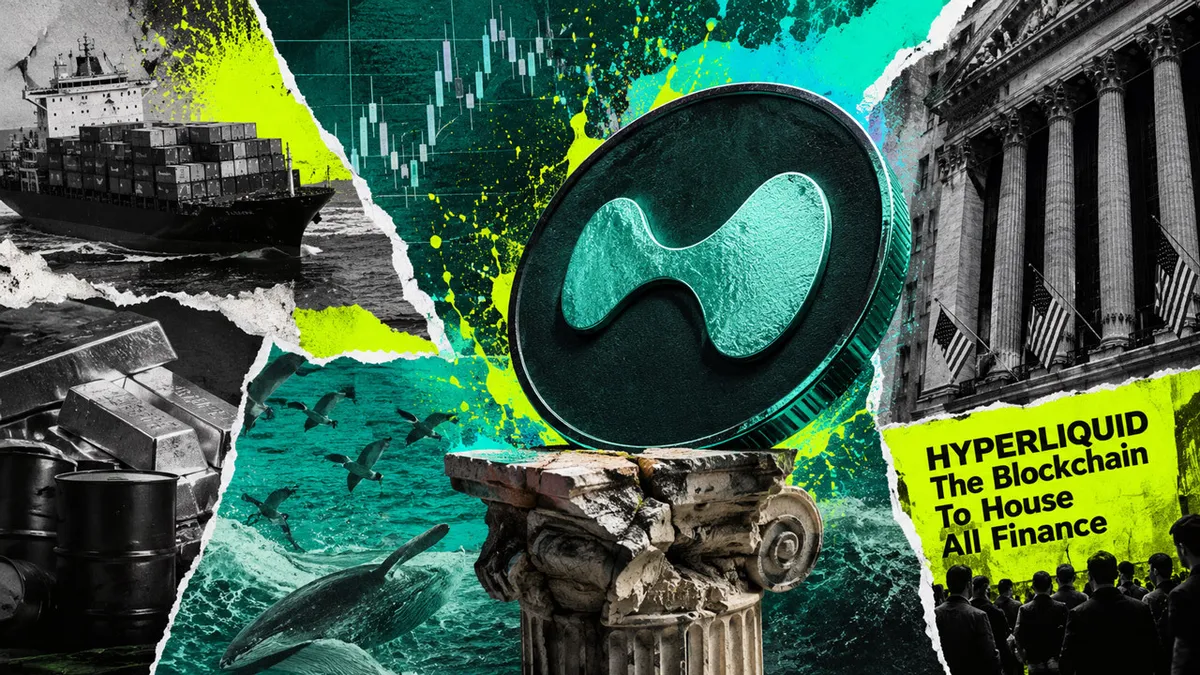
The recent downturn in Hyperliquid's token value is drawing significant attention as investors pull their funds from Hyperliquid-linked exchange-traded funds (ETFs). This marks a notable shift, as for the first time since these products were launched, the funds have recorded substantial net outflows, exceeding $13 million in July alone. With total investments in these ETFs having reached approximately $280 million since their inception, this sudden exodus is raising eyebrows and causing uncertainty in the market. Despite the current negative sentiment, Grayscale has stepped forward to express a contrary viewpoint, asserting that Hyperliquid’s token is undervalued.
To understand the implications of this situation, it’s essential to consider the broader context of ETF investments within the cryptocurrency landscape. ETFs have become a popular method for traditional investors to gain exposure to cryptocurrencies without directly holding the assets. The popularity of these funds has surged in recent years, driven by growing institutional interest and the desire for regulated investment vehicles. The recent outflows from Hyperliquid-linked ETFs suggest a potential shift in investor sentiment, possibly influenced by market volatility or a reevaluation of the underlying assets’ performance.
The significance of these developments stretches beyond Hyperliquid itself. When investors withdraw from ETFs, it often signals a lack of confidence in the associated assets, which can lead to broader market repercussions. If Hyperliquid’s token continues to decline, it may prompt further selling pressure, exacerbating the situation. However, Grayscale’s assertion of undervaluation could instill some level of optimism among potential investors who might see this as a buying opportunity, especially if they believe that the current sell-off is overblown and not reflective of Hyperliquid's long-term fundamentals.
Industry reactions to the news have been mixed. Some analysts agree with Grayscale’s assessment, pointing to the token’s innovative features and underlying technology as reasons why it may be trading below its actual value. Others, however, caution against dismissing the outflows as merely a temporary phenomenon, arguing that sustained selling could lead to a more protracted downturn. The divergence in expert opinions highlights the ongoing debate about the health and future of crypto-related investment products, especially in a rapidly changing economic environment.
Looking ahead, the key question is how Hyperliquid will respond to this challenging landscape. The company may need to bolster its marketing and outreach efforts to reassure investors and attract new capital. Additionally, monitoring the performance of its ETFs in the coming months will be crucial for understanding whether this downturn is a temporary setback or a sign of deeper issues. If Hyperliquid can successfully navigate this turbulence, it could potentially set the stage for a rebound that aligns with Grayscale’s optimistic outlook.

CoinMagnetic Team
Crypto investors since 2017. We trade with our own money and test every exchange ourselves.
Updated: July 2026
From our insights:
Related news

Revolut exposes customer data in response to fake government request

Former Alameda CEO Caroline Ellison joins nonprofit charity Manifund
Bitwise to shutter Dogecoin ETF BWOW ahead of one-year mark

Anchorage Digital adds institutional access to Frgmnt’s fUSD stablecoin

Maharashtra plans to tokenize state assets for infrastructure funding
