Hyperliquid Policy Center argues onchain perps offer efficiency, transparency as ICE and CME reportedly press for CFTC oversight

Recently, the Hyperliquid Policy Center has made a strong case for the efficiency and transparency of on-chain perpetual contracts amid reports that major exchanges like ICE and CME are pushing for regulatory oversight from the Commodity Futures Trading Commission (CFTC). This ongoing debate highlights the contrasting views on how the cryptocurrency derivatives market should be regulated and what that means for platforms operating in the space. The urgency for oversight has been amplified by concerns about market stability, prompting the CFTC to consider stricter regulations affecting decentralized finance (DeFi) products.
The context surrounding this situation is significant, as both ICE and CME are well-established players in traditional finance and have substantial influence over regulatory processes. Their advocacy for Hyperliquid to register with the CFTC stems from a desire to ensure that all trading platforms operate under standardized regulations, aiming to mitigate risks associated with volatility in the crypto market. Historically, derivatives trading has been closely monitored to prevent market manipulation and protect investors, and the push for oversight reflects a broader trend where traditional financial institutions seek to integrate into the rapidly evolving crypto landscape.
This matter is crucial for the market as it may set a precedent for how decentralized platforms are treated in the regulatory framework. If the CFTC decides to impose regulations on Hyperliquid, it could lead to increased scrutiny on other DeFi platforms, potentially limiting their operational flexibility. Conversely, the recognition of on-chain derivatives could also pave the way for broader acceptance and legitimacy of cryptocurrencies and their associated financial products in mainstream finance. The outcome of this situation could influence investment strategies and overall market dynamics, especially for those focused on derivatives trading.
Industry reactions have been varied, with some experts praising the call for regulation as a means to enhance investor protection and market integrity. Others, however, express concerns that excessive regulation could stifle innovation in the DeFi space, which has thrived on the principles of decentralization and minimal intervention. Analysts suggest that the push from ICE and CME may reflect a fear of losing market share to innovative platforms like Hyperliquid, which offer unique advantages in terms of speed and transparency. This debate illustrates the tension between traditional financial institutions and emerging technologies, each vying for their stake in the future of trading.
As we look ahead, the outcome of this regulatory discussion will likely shape the trajectory of both traditional and decentralized finance. Should the CFTC move forward with oversight, it may signal a new era of compliance for DeFi platforms, potentially leading to increased collaboration between traditional exchanges and innovative crypto entities. Conversely, if Hyperliquid successfully argues for the benefits of its on-chain model, it could inspire a shift in regulatory attitudes, fostering an environment where innovation can flourish without compromising market stability. The coming months will be crucial in determining how this narrative unfolds.

CoinMagnetic Team
Crypto investors since 2017. We trade with our own money and test every exchange ourselves.
Updated: May 2026
From our insights:
Related news

Bitcoin surges past $86,000 as $1 billion in shorts are liquidated, eyes on $90,000
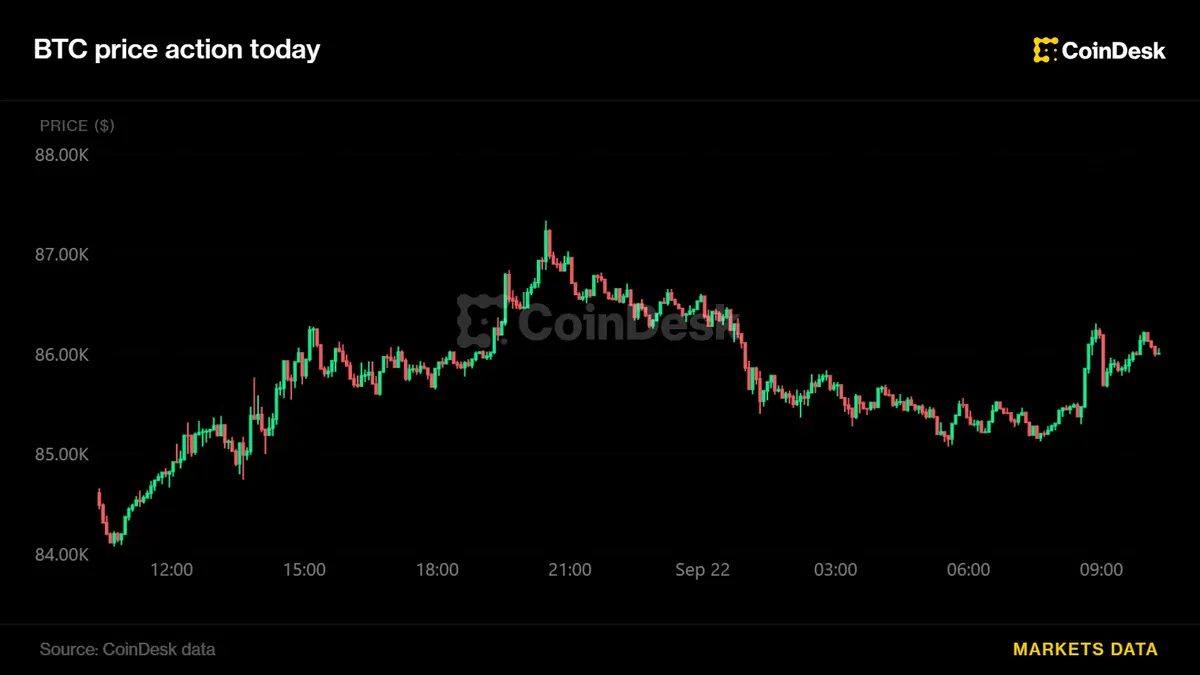
Bitcoin bounces back to $86,000 as oil prices decline and stocks rise

Prediction markets projected to reach $10 trillion by 2035, surpassing sports
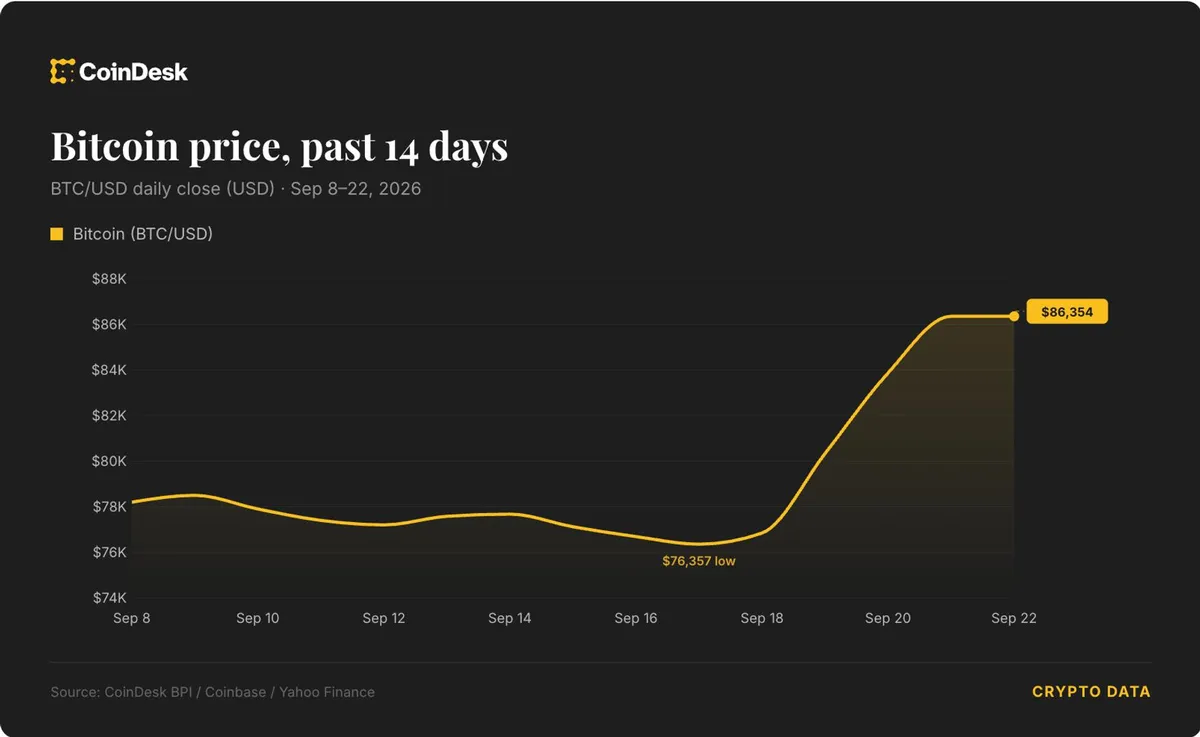
Iran hints at reopening Strait of Hormuz, WTI oil drops to $89

New altseason signal emerges as Bitcoin market cap stays under 60%