Hyperliquid is beating ethereum in trading volume on some days as big money rotates, says FalconX

Recent reports indicate that Hyperliquid, a decentralized trading platform, has been outperforming Ethereum in terms of trading volume on certain days. This shift is particularly notable among institutional investors who are increasingly pivoting away from the more established cryptocurrencies like Bitcoin and Ether. According to Joshua Lim, the head of markets at FalconX, hedge funds are drawn to Hyperliquid due to its substantial liquidity and opportunities for early access to emerging markets. This trend suggests a significant change in how institutional capital is being allocated within the cryptocurrency landscape.
To understand this phenomenon, we must consider the broader context of the cryptocurrency market. Ethereum and Bitcoin have long been the dominant players, often serving as benchmarks for performance and investor sentiment. However, as the market matures, new platforms like Hyperliquid are emerging, offering unique advantages that traditional cryptocurrencies may not provide. The innovations in decentralized finance (DeFi) and the growing appetite for high-frequency trading strategies are making platforms with robust liquidity and faster execution times increasingly attractive to institutional players.
This shift in trading volume is crucial for the market as it highlights the evolving dynamics within the crypto space. The influx of institutional capital into Hyperliquid could signify a broader trend where decentralized platforms challenge the supremacy of established cryptocurrencies. If this trend continues, it may lead to a redistribution of trading activity and liquidity away from Ethereum and Bitcoin, potentially impacting their market valuations and overall dominance. The ability of Hyperliquid to attract significant trading volume underscores the importance of adaptability and innovation in the ever-evolving cryptocurrency sector.
Industry reactions have been mixed, with many experts recognizing the potential of Hyperliquid to disrupt traditional trading norms. Some market analysts view this development as a wake-up call for Ethereum and Bitcoin, emphasizing the need for these platforms to enhance their offerings and maintain their competitive edge. Others, however, caution that while Hyperliquid is gaining traction, it still faces challenges related to regulatory scrutiny and the need for widespread adoption to sustain its growth. The success of Hyperliquid will likely depend on how well it can navigate these obstacles while continuing to attract institutional interest.
Looking ahead, the trajectory of Hyperliquid and its impact on the broader market remains to be seen. As more institutional investors explore decentralized platforms, we expect to see further innovations and competitive strategies emerge within the crypto ecosystem. The ongoing evolution of trading platforms could lead to a more fragmented market, with various players vying for the attention of big money. Stakeholders will be watching closely to see how this dynamic unfolds and what implications it may have for the future of trading in the cryptocurrency space.

CoinMagnetic Team
Crypto investors since 2017. We trade with our own money and test every exchange ourselves.
Updated: June 2026
From our insights:
Related news

Bitcoin's weekly close above $81,000 signals potential rise to $90,000

Elon Musk's X integrates bitcoin trading options for U.S. users
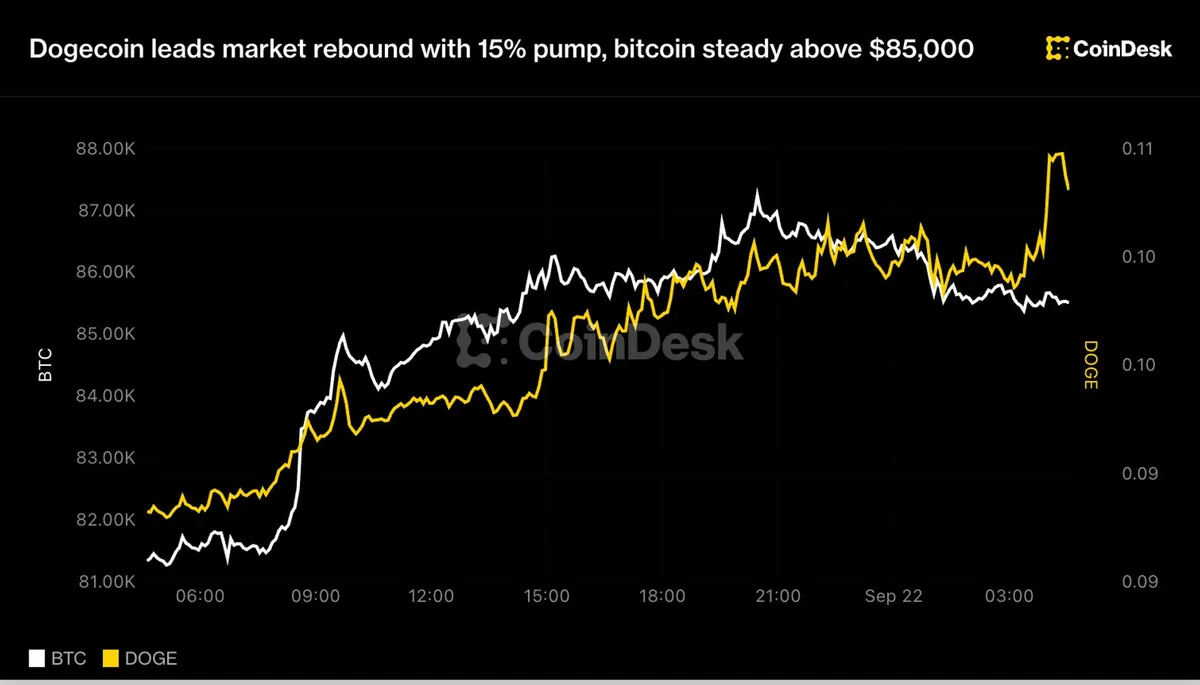
Dogecoin's 15% surge drives market recovery as bitcoin stabilizes above $85,000

Cardano adds tools for AI agent payments, joining Solana and XRP Ledger

Trueo prediction market moves from Base to Ethereum