Hungary repeals crypto checks as first MiCA license is granted
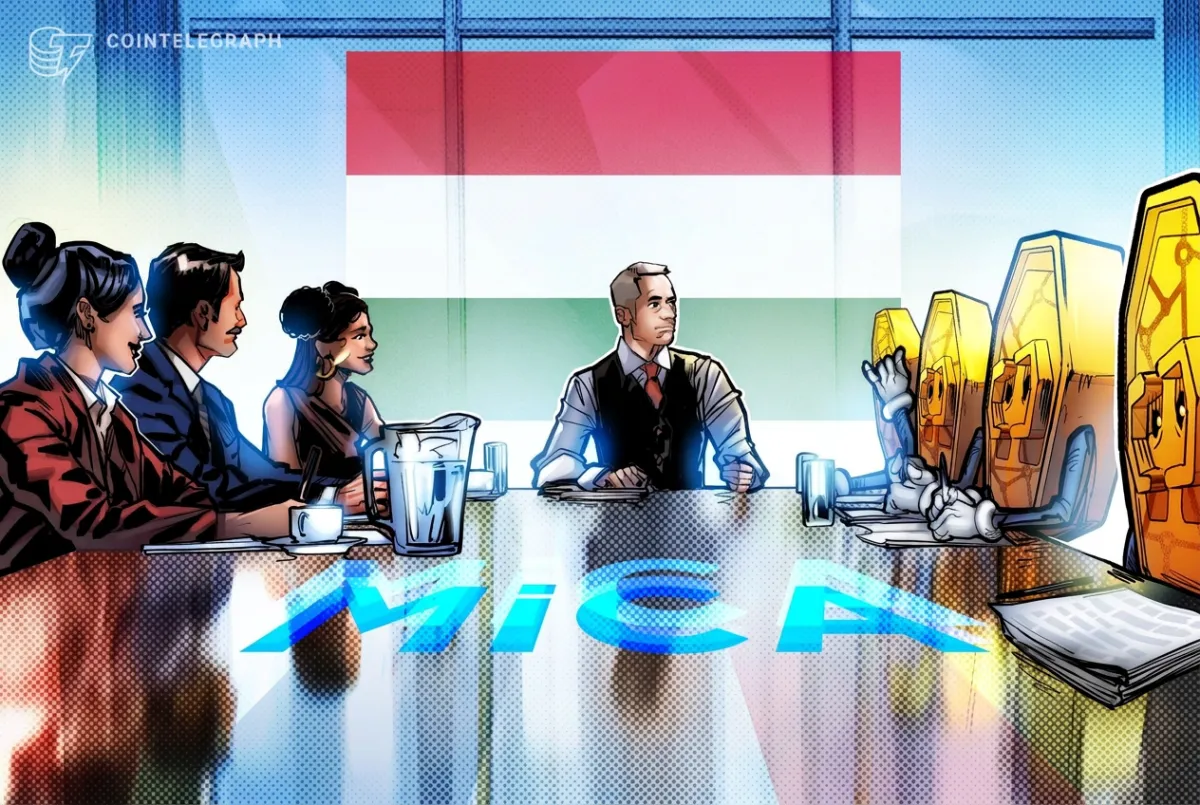
Hungary has recently made significant strides in its approach to cryptocurrency regulation by repealing mandatory third-party checks for crypto conversions. This change comes on the heels of CoinCash being granted the first license under the European Union's Markets in Crypto-Assets (MiCA) framework. The removal of these checks is expected to simplify the process for users engaging in cryptocurrency transactions, potentially fostering a more vibrant digital asset ecosystem within the country. CoinCash’s authorization marks a pivotal moment for Hungary and serves as a precedent for other companies seeking to operate in the burgeoning crypto space.
To understand the implications of this development, it is essential to consider the context surrounding MiCA, which aims to create a comprehensive regulatory framework for cryptocurrencies across EU member states. By establishing clear guidelines, MiCA seeks to enhance consumer protection, promote innovation, and ensure financial stability within the rapidly evolving digital asset market. Hungary's decision to eliminate mandatory checks aligns with the broader goals of MiCA, allowing companies like CoinCash to operate more freely, which is crucial for fostering growth in the local crypto sector.
This regulatory shift matters for the market as it signals a more accommodating environment for cryptocurrency businesses in Hungary. By removing barriers such as third-party checks, the country may attract more crypto startups and investors, further integrating digital assets into the mainstream financial system. The move could inspire other nations within the EU to reconsider their own regulatory frameworks, potentially leading to a more uniform and supportive landscape for cryptocurrencies across Europe.
Industry reactions have been largely positive, with experts noting that Hungary's regulatory changes could serve as a model for other jurisdictions looking to balance innovation with consumer protection. Many in the crypto community view CoinCash's licensing as a validation of MiCA's potential to create a robust regulatory environment that encourages responsible growth. Additionally, this development could enhance Hungary's reputation as a forward-thinking nation in the digital asset sphere, setting the stage for further collaboration between regulators and the crypto industry.
Looking ahead, the implications of Hungary's decision to repeal mandatory checks and grant the first MiCA license could pave the way for more regulatory advancements in the region. As other companies seek to obtain licenses under MiCA, we may witness a surge in crypto activity and investment within Hungary. The success of CoinCash could inspire other businesses to follow suit, and if the regulatory environment continues to evolve positively, Hungary could become a key player in the European crypto landscape.

CoinMagnetic Team
Crypto investors since 2017. We trade with our own money and test every exchange ourselves.
Updated: July 2026
From our insights:
Related news
BNY adds XRP and RLUSD to custody as ledger invoice pilots unfold

McDonald's McRib return sparks internet theories about bitcoin price pumps

Crypto Market Structure Explained
Surveillance system flags hundreds of alerts daily as Polymarket probes midterm bets

Jordi Visser sees crypto outperforming artificial intelligence equities