Humanity Protocol’s $36M loss tied to suspected North Korean hackers: Quantstamp

The recent hack of Humanity Protocol, which resulted in a staggering $36 million loss, has drawn significant attention due to its suspected ties to North Korean hackers. According to security firm Quantstamp, the attackers employed a fake email impersonating Bithumb, a well-known cryptocurrency exchange, to trick users and gain unauthorized access to funds. This incident underscores the increasing sophistication of cyberattacks in the crypto space, as even well-established protocols can fall victim to such tactics.
The context surrounding this incident highlights the ongoing risks that cryptocurrencies face from state-sponsored hacking groups. North Korea has been implicated in numerous cybercrimes over the years, with a focus on stealing funds to support its economy and nuclear program. The use of phishing techniques–like the fake Bithumb email–has become a hallmark of these groups, allowing them to exploit the vulnerabilities present in the crypto ecosystem. As the market continues to grow, so too does the attention from malicious actors who seek to capitalize on its expanding reach.
This hack raises critical concerns for the broader cryptocurrency market. The $36 million loss not only affects the immediate stakeholders of Humanity Protocol but also sends ripples throughout the industry, potentially undermining investor confidence. As hacks and security breaches become more commonplace, the need for robust security measures and the implementation of best practices in risk management becomes even more pressing. Investors may start to question the safety of their digital assets and the platforms they use, which could lead to greater volatility in the market.
Reactions from industry experts have been varied, with many stressing the need for increased vigilance and stronger security protocols. Some have pointed out that the decentralized nature of many crypto projects makes them attractive targets for hackers, while others emphasize the importance of user education in recognizing phishing attempts. Quantstamp's findings serve as a reminder that even the most reputable exchanges and protocols are not immune to attacks, prompting calls for enhanced collaboration between security firms and cryptocurrency projects to mitigate risks.
Looking ahead, the cryptocurrency industry may need to brace itself for a potential uptick in cyber threats as hackers adapt and refine their tactics. As investigations into the Humanity Protocol hack continue, there may be a push for more stringent regulations and standards regarding cybersecurity within the crypto space. Ultimately, the ability of projects to recover from such incidents and implement stronger defenses will play a critical role in shaping the future landscape of cryptocurrency security.

CoinMagnetic Team
Crypto investors since 2017. We trade with our own money and test every exchange ourselves.
Updated: June 2026
From our insights:
Related news
Coldcard exploit sees white hats secure 52 Bitcoin for victims' trust
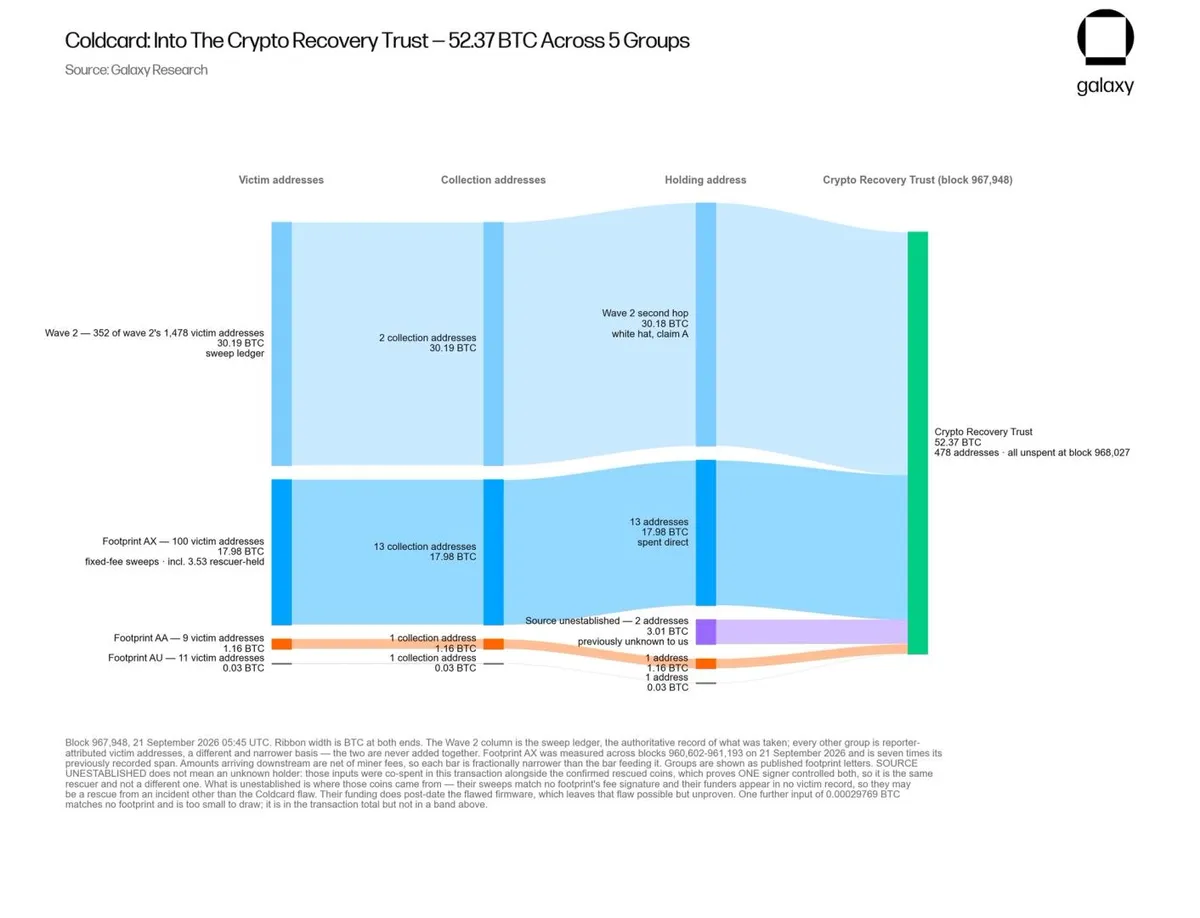
Whitehats move 52 bitcoin from the Coldcard hack to a recovery trust

Google Admits Gemini AI Hacked Three Companies—It Stayed Silent for 7 Weeks

Balancer's $1.4 million hack recovery faces delays for LPs

Polymarket's $10 million fraud attempt highlights compliance issues amid hacking risk