HTX denies UK sanctions allegations as new data flags $7.6B Russia-linked flows
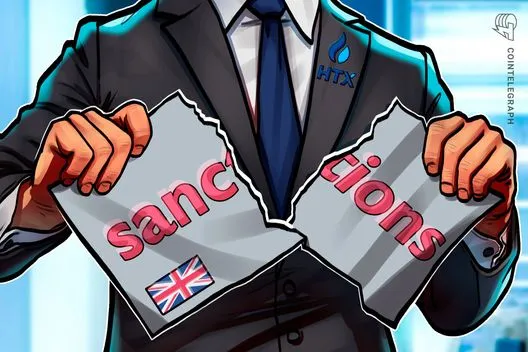
The team at CoinMagnetic is closely monitoring the recent allegations against Huobi Global S.A., the operator of the cryptocurrency exchange HTX. The UK authorities have imposed sanctions on the firm, suggesting its involvement in facilitating financial transactions linked to Russia's "A7" shadow network, which is believed to be associated with illicit activities. The sanctions come amid the release of new data indicating that HTX processed approximately $7.6 billion in transactions that are flagged as potentially high-risk due to their connections with Russia. HTX has firmly denied these allegations, asserting that they are in compliance with all applicable laws and regulations.
To understand the implications of this situation, it's crucial to consider the broader context surrounding cryptocurrency exchanges and regulatory scrutiny. In recent years, as the crypto market has grown exponentially, so too has the attention from regulators worldwide. The UK government has been particularly vigilant regarding the potential misuse of cryptocurrencies for money laundering and financing illicit activities, especially in relation to geopolitical tensions involving Russia. The accusations against HTX come at a time when regulatory frameworks are being tightened, and exchanges are under increasing pressure to demonstrate transparency and compliance.
The significance of these developments cannot be overstated. The allegations against HTX may not only impact the exchange's reputation but could also have broader ramifications for the cryptocurrency market as a whole. Investors often react to regulatory news with caution, and the imposition of sanctions can lead to decreased trading volumes and increased volatility. Furthermore, if the allegations are substantiated, it could set a precedent for other exchanges, prompting them to reassess their compliance measures and risk management strategies in the face of heightened scrutiny.
Industry reactions to the sanctions have been mixed. Some experts argue that the move represents a necessary step towards holding cryptocurrency exchanges accountable for their actions, while others express concern that such measures could stifle innovation within the space. The situation has sparked a debate about the balance between regulation and the need for a thriving crypto ecosystem. Many in the industry are calling for clearer guidelines and a more collaborative approach between regulators and exchanges to ensure that compliance does not come at the cost of growth and innovation.
Looking ahead, the future of HTX remains uncertain as it navigates the fallout from these allegations. The exchange's response will be crucial in shaping its path forward, and it will be interesting to see how it addresses the concerns raised by regulators. Additionally, as other exchanges watch closely, they may be prompted to take preemptive measures to bolster their compliance frameworks in anticipation of further scrutiny. As the situation develops, we will continue to provide updates and insights into its implications for the cryptocurrency market and the regulatory landscape as a whole.

CoinMagnetic Team
Crypto investors since 2017. We trade with our own money and test every exchange ourselves.
Updated: May 2026
From our insights:
Related news

Australia's 40-year economic outlook highlights AI but ignores crypto's role

Google and Apple pursuing crypto experts for stablecoin and tokenization projects
Kraken integrates with X to streamline crypto trading via social media
Kalshi proposes US stock perpetual futures as Coinbase enters market
Exchanges reduce token risk values, tightening conditions for leveraged traders