How to better understand bitcoin’s perpetual identity crisis

The ongoing debate surrounding Bitcoin's identity crisis has garnered significant attention recently, with experts like Bailey delving into the complexities that contribute to its ambiguous status. At its core, Bitcoin is often portrayed as both a store of value and a medium of exchange, yet these dual roles seem to conflict with each other, leading to inconsistent behavior in the market. Bailey highlights that this uncertainty has not only confused investors but has also resulted in erratic price fluctuations that challenge the cryptocurrency's stability and long-term viability.
Understanding the historical context of Bitcoin can shed light on why this identity crisis persists. Initially launched in 2009 as a revolutionary digital currency meant to facilitate peer-to-peer transactions without intermediaries, Bitcoin quickly gained a reputation as a speculative asset. Over the years, as more investors and institutions entered the market, Bitcoin's narrative shifted toward being a "digital gold" – a hedge against inflation rather than a practical currency for everyday transactions. This evolution has created a dichotomy, where Bitcoin is simultaneously revered for its scarcity and criticized for its volatility, complicating its role in the financial ecosystem.
This identity crisis is crucial for market behavior, as it influences not only investor sentiment but also regulatory actions and institutional adoption. When Bitcoin is perceived primarily as a speculative asset, it invites high volatility and risk, which can deter mainstream acceptance. On the other hand, if Bitcoin were to solidify its role as a dependable store of value, it could potentially attract more conservative investors and institutions. The uncertainty surrounding its purpose continues to impact trading patterns, liquidity, and overall market confidence.
Industry experts have expressed mixed reactions to Bitcoin's ongoing identity struggle. Some argue that this crisis is a necessary phase for the cryptocurrency's maturation, suggesting that as more use cases emerge, Bitcoin will eventually find a clearer identity. Others remain skeptical, highlighting that without a definitive consensus on what Bitcoin truly represents, it may struggle to gain traction as a legitimate asset class in the eyes of mainstream finance. The voices in the community reflect a spectrum of opinions, from those championing the potential for Bitcoin to evolve to those warning of the risks inherent in its current ambiguity.
Looking ahead, the question remains: what will it take for Bitcoin to resolve its identity crisis? As technological advancements and regulatory frameworks evolve, Bitcoin may find new pathways that clarify its purpose and solidify its standing in the market. Continued dialogue among stakeholders, ongoing research into its use cases, and the emergence of complementary technologies could all contribute to a more coherent narrative for Bitcoin. For now, the cryptocurrency's identity remains a topic of active exploration, one that will undoubtedly shape its future in the financial landscape.

CoinMagnetic Team
Crypto investors since 2017. We trade with our own money and test every exchange ourselves.
Updated: June 2026
From our insights:
Related news

Bitcoin's weekly close above $81,000 signals potential rise to $90,000

Elon Musk's X integrates bitcoin trading options for U.S. users
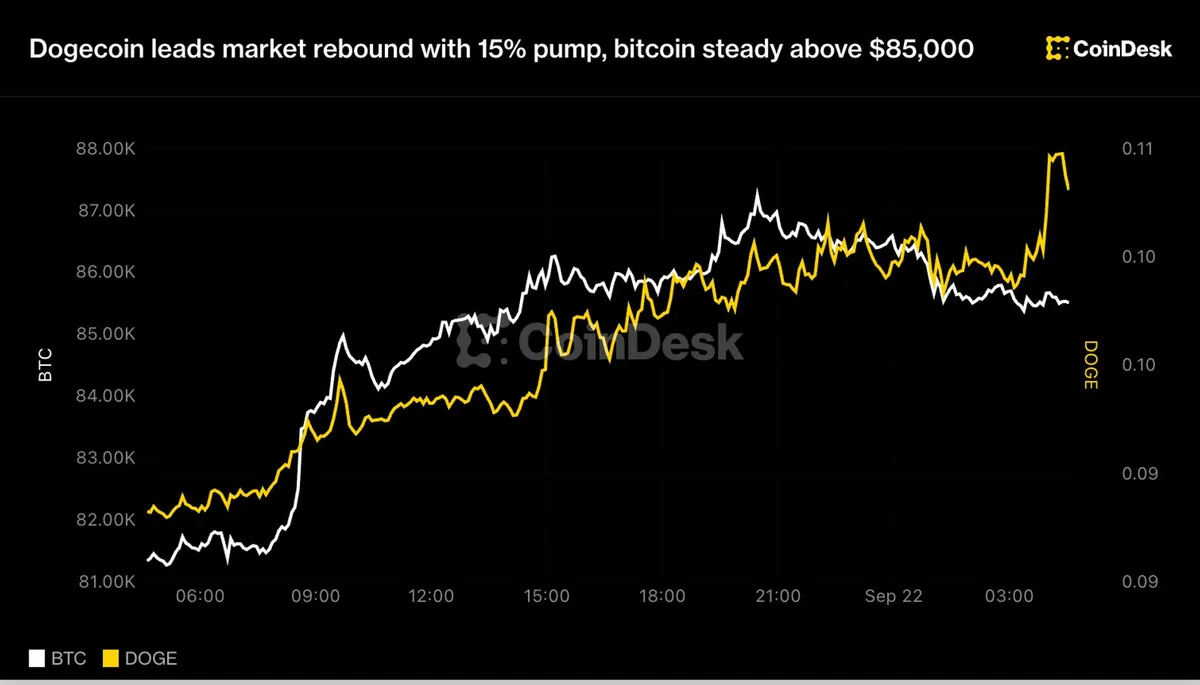
Dogecoin's 15% surge drives market recovery as bitcoin stabilizes above $85,000

Cardano adds tools for AI agent payments, joining Solana and XRP Ledger

Trueo prediction market moves from Base to Ethereum