How thin weekend Bitcoin liquidity turns minor geopolitical news into massive Monday price gaps for ETF holders
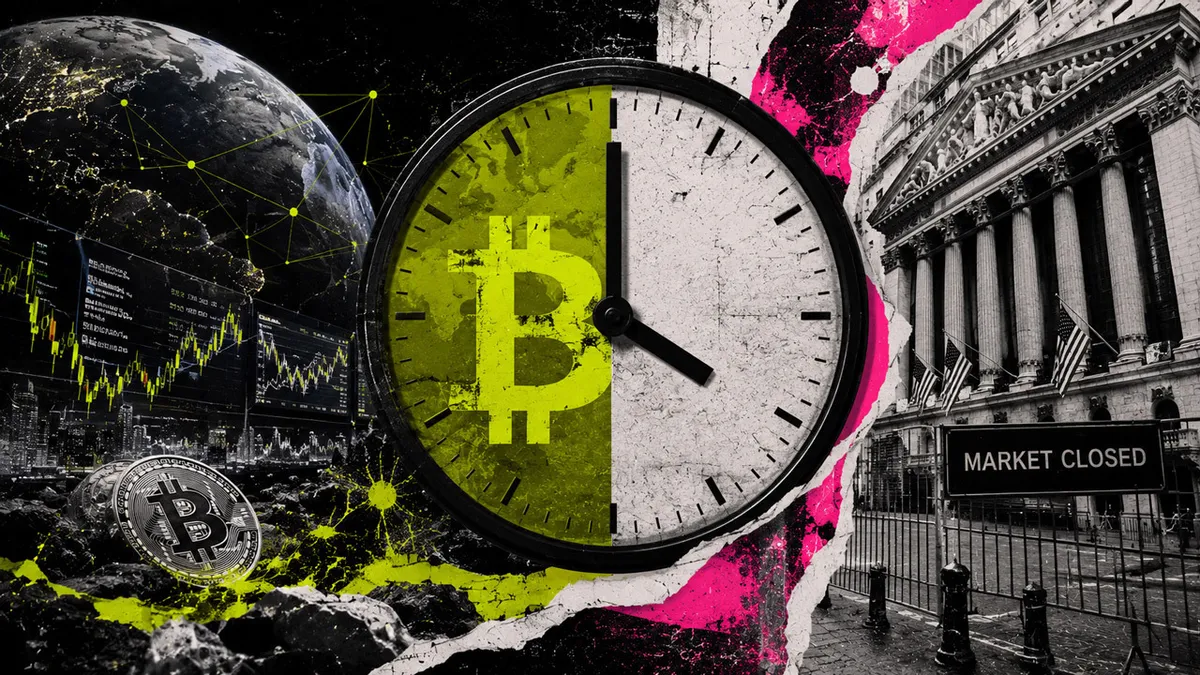
In recent days, we have witnessed how thin weekend liquidity in the Bitcoin market can lead to significant price fluctuations, particularly when geopolitical events unfold over the weekend. An investor holding Bitcoin through a spot ETF may conclude their trading week on a stable note, only to be confronted with a drastic price movement come Monday morning. This phenomenon often arises from unexpected announcements or developments, such as tariffs or conflicts, that can disrupt market sentiment while traditional markets are closed. With Bitcoin's 24/7 trading nature, these developments can lead to pronounced price gaps that catch many off guard.
The context surrounding this issue is rooted in the unique structure of the cryptocurrency market compared to traditional financial markets. While stock and commodity exchanges operate on set hours, Bitcoin trades continuously, meaning it is susceptible to sudden changes in market dynamics during off-hours. Weekend liquidity is particularly thin, as many traders and institutional investors step back, leading to less trading volume and, consequently, greater volatility. This situation can amplify the effects of any geopolitical news that breaks over the weekend, turning what might be considered minor announcements into significant market movers by the time trading resumes.
The implications for the cryptocurrency market are profound. For ETF holders and investors, these price gaps can lead to unexpected losses or gains, complicating portfolio management and risk assessment. As Bitcoin continues to gain traction as a mainstream investment vehicle, the market's responsiveness to external events will likely remain a critical consideration. With increasing institutional participation in crypto markets, the volatility that arises from geopolitical events could become a more regular occurrence, influencing trading strategies and risk management approaches across the board.
Industry experts have begun to voice their concerns regarding this pattern. Some analysts argue that the current market structure may not be conducive to the stability that institutional investors seek. Others suggest that increased awareness of this phenomenon could lead to a shift in how investors approach weekend trading and risk exposure. For example, some traders may opt to adjust their positions ahead of weekends or utilize hedging strategies to mitigate potential adverse effects from geopolitical surprises.
Looking ahead, the crypto market may see changes in trading practices and investor strategies as awareness of these dynamics grows. As more investors enter the market and geopolitical tensions persist, we might observe a call for more robust risk management tools and practices tailored to the unique volatility of cryptocurrencies. Whether through the development of new financial products or adjustments in trading behavior, the implications of thin weekend liquidity are likely to resonate throughout the industry, shaping the future of Bitcoin trading and investment strategies.

CoinMagnetic Team
Crypto investors since 2017. We trade with our own money and test every exchange ourselves.
Updated: August 2026
From our insights:
Related news

Bolivia's VIVA telecom partners with Iris to use Avalanche for stablecoin settlements

Zero-knowledge technology could enhance KYC security, experts say
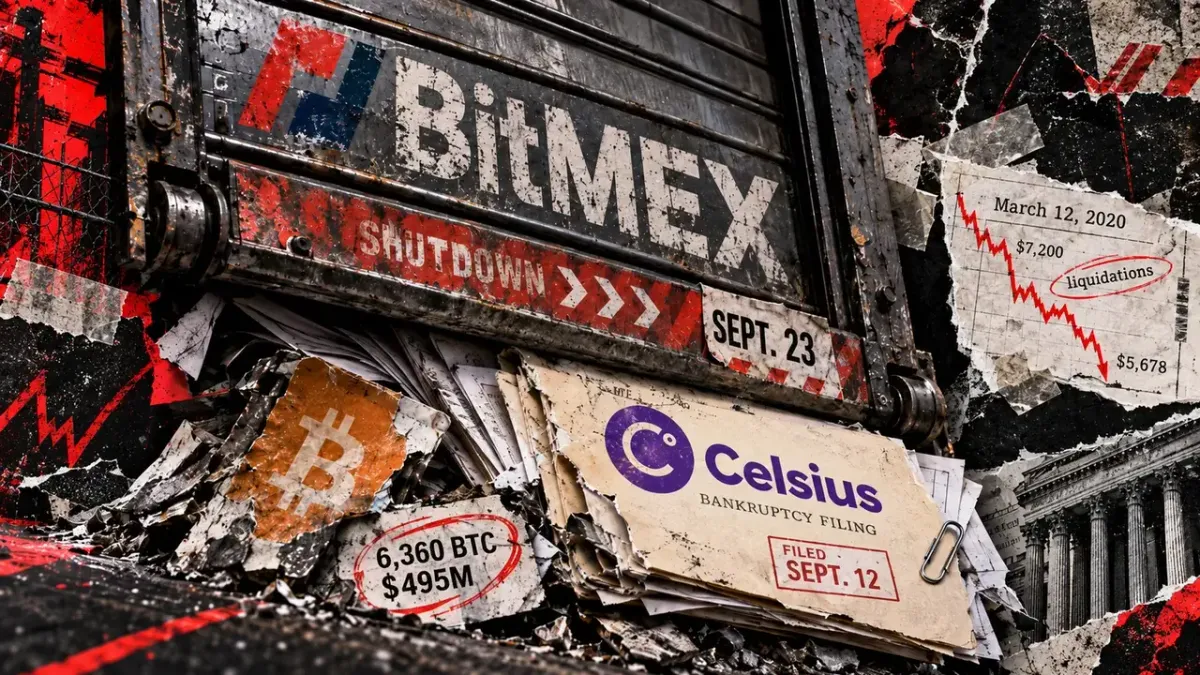
Celsius Network seeks $495 million from BitMEX over 2020 liquidation claims

New FCA guidance requires overseas firms to seek UK crypto authorization by 2027

AI agents may inherit vulnerabilities from current crypto architecture