Stablecoins emerge as crucial support for Fed's Treasury-bill demand
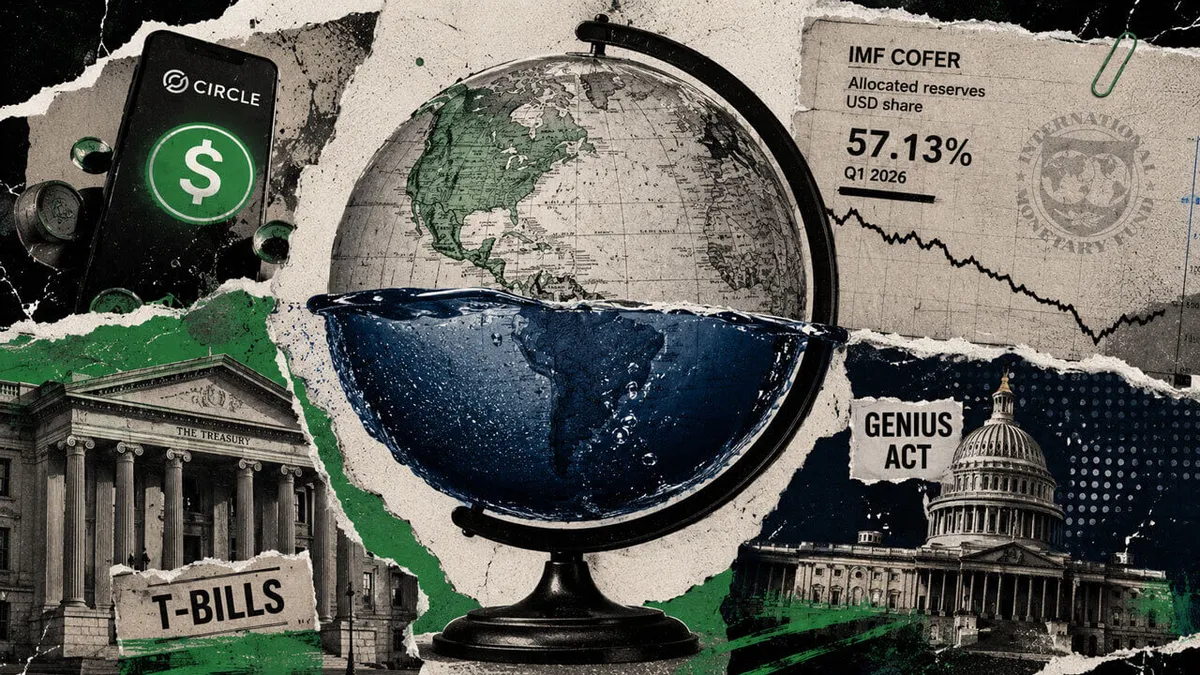
Recent developments indicate that stablecoins are increasingly stepping into the role of the Federal Reserve’s debt buyer of last resort. These dollar-pegged tokens are not only expanding their private usage but also bolstering demand for Treasury bills. This trend is significant as it allows for an alternative mechanism for managing and allocating reserves without necessitating direct decisions from central banks.
Stablecoins have gained traction over the past few years, with their utility growing significantly in various sectors, including trading, remittances, and decentralized finance (DeFi). Their ability to maintain a stable value relative to the U.S. dollar makes them attractive for investors seeking to avoid the volatility typically associated with cryptocurrencies. As central banks face the challenge of managing economic policy in an increasingly complex financial landscape, stablecoins provide a unique solution that blends traditional finance with the innovations of the digital currency world.
The implications of this development are profound for the financial market. By acting as a buffer for Treasury bill purchases, stablecoins could help stabilize demand during periods of economic uncertainty. This additional layer of support may enhance liquidity in the market, allowing for smoother transactions and potentially more favorable interest rates for consumers and businesses alike. Moreover, the growing reliance on stablecoins in this capacity may influence the Fed's monetary policy decisions moving forward.
Industry experts have weighed in on this shift, highlighting the potential for stablecoins to reshape the landscape of traditional finance. Many believe that as stablecoins gain acceptance as legitimate financial instruments, they could lead to more efficient capital allocation and improved market access for investors. Some analysts argue that this development could also prompt regulatory scrutiny, as authorities may seek to understand how these digital assets interact with existing financial systems and their implications for monetary policy.
Looking ahead, the relationship between stablecoins and the Federal Reserve is likely to evolve further. As more participants enter the stablecoin market and their usage expands, we may see increased integration with traditional banking systems and greater acceptance by regulatory bodies. This could pave the way for a new era in finance where digital currencies play a central role in shaping economic policy and market dynamics.

CoinMagnetic Team
Crypto investors since 2017. We trade with our own money and test every exchange ourselves.
Updated: September 2026
From our insights:
Related news

Goldman Sachs and Morgan Stanley view tokenization as growth opportunity

Polygon aims for payments sector dominance with Coinme acquisition

US bank deposit rate hikes could curb stablecoin expansion, BIS data shows

Crypto PACs escalate spending against Sherrod Brown in Ohio Senate race

Border payments via stablecoins cut traditional wire costs by 84 percent