How President Trump’s Immigration Order Will Feed the Stablecoin Economy, Bitcoin ATMs
Recent developments surrounding President Trump's immigration order have sparked significant conversations in the crypto space, particularly concerning its potential impact on the stablecoin economy and Bitcoin ATMs. As reported, the Trump family has historically turned to cryptocurrency during financial difficulties, and now, immigrants facing precarious circumstances in the U.S. may find themselves in a similar position. This scenario suggests a growing reliance on crypto solutions for individuals navigating financial challenges, potentially leading to an increase in the use of stablecoins and Bitcoin ATMs as accessible financial tools.
To understand the implications of this situation, it’s essential to consider the broader context. The immigration order not only affects the lives of countless individuals but also highlights the intersection of financial technology and immigration policy. Many immigrants in the U.S. may lack access to traditional banking services, making cryptocurrencies an attractive alternative. This trend mirrors the experiences of the Trump family, who utilized crypto as a means to circumvent financial restrictions when faced with pressure from banks. As more immigrants find themselves in similar predicaments, the demand for stablecoins–known for their pegged value to fiat currencies–could rise significantly.
The implications for the market are profound. Increased adoption of stablecoins among immigrants could lead to greater liquidity in the crypto market, as these individuals seek to convert their earnings into digital assets to safeguard their wealth from volatility and inflation. Moreover, the expansion of Bitcoin ATMs in areas with high immigrant populations could facilitate easier access to crypto, allowing users to buy and sell digital currencies more conveniently. This growth could create a feedback loop, further legitimizing cryptocurrencies as viable financial instruments for those outside the traditional banking system.
Industry reactions have been varied, with many experts highlighting the potential for cryptocurrencies to empower marginalized communities. Advocates argue that the rise of stablecoins can provide financial stability for undocumented immigrants, allowing them to transact with greater ease and security. However, some analysts caution that this increased reliance on crypto could also attract regulatory scrutiny, as governments may seek to monitor transactions more closely to prevent illicit activities. The balance between financial innovation and regulatory compliance will be crucial as this situation unfolds.
Looking ahead, we can anticipate that as more immigrants turn to cryptocurrencies, there could be a ripple effect across the industry. The demand for user-friendly platforms and services catering to this demographic is likely to grow, prompting innovation in the crypto space. Additionally, we may see further discussions surrounding regulatory frameworks aimed at protecting consumers while fostering growth in this burgeoning sector. As the intersection of immigration policy and cryptocurrency continues to evolve, it will be essential for stakeholders to remain vigilant and adaptable to the changing landscape.

CoinMagnetic Team
Crypto investors since 2017. We trade with our own money and test every exchange ourselves.
Updated: May 2026
From our insights:
Related news
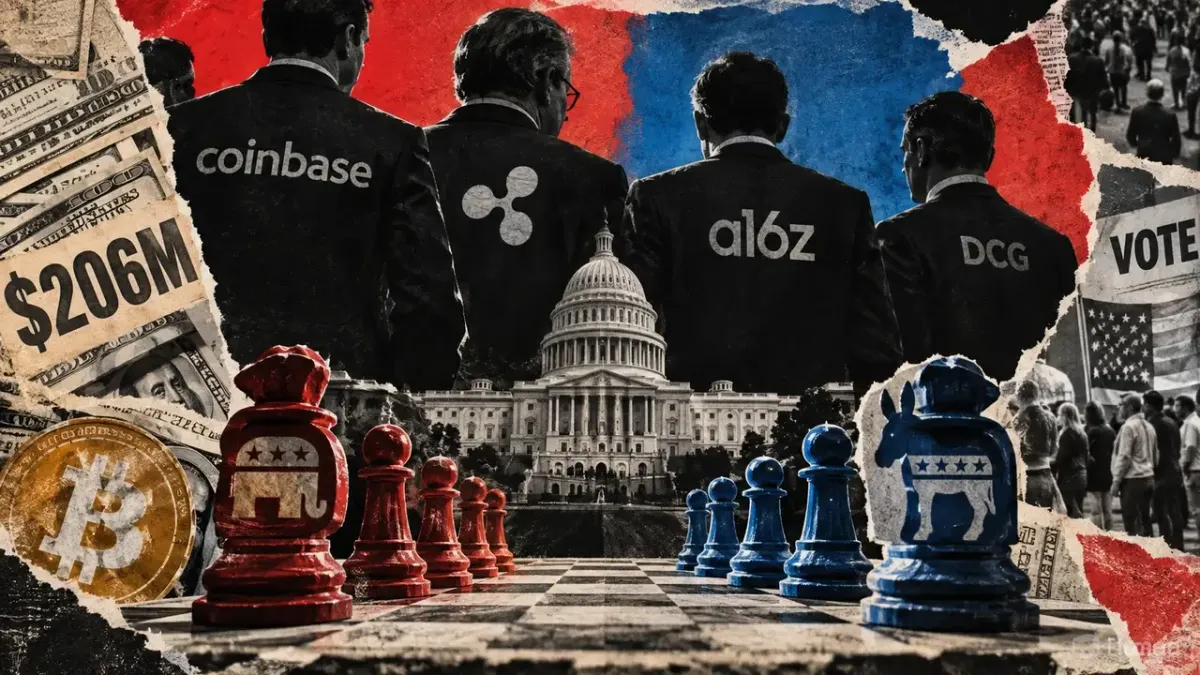
Crypto sector emerges as top donor with $206 million in midterms backing

Stand With Crypto’s 4 million registered advocates couldn’t get the CLARITY Act through the Senate

Kakao Pay, KakaoBank to explore stablecoin opportunities with Fireblocks

US Attorney's investigation into Binance focuses on Iran sanctions compliance

ECB initiates wholesale digital euro for banks and tokenized bond purchases