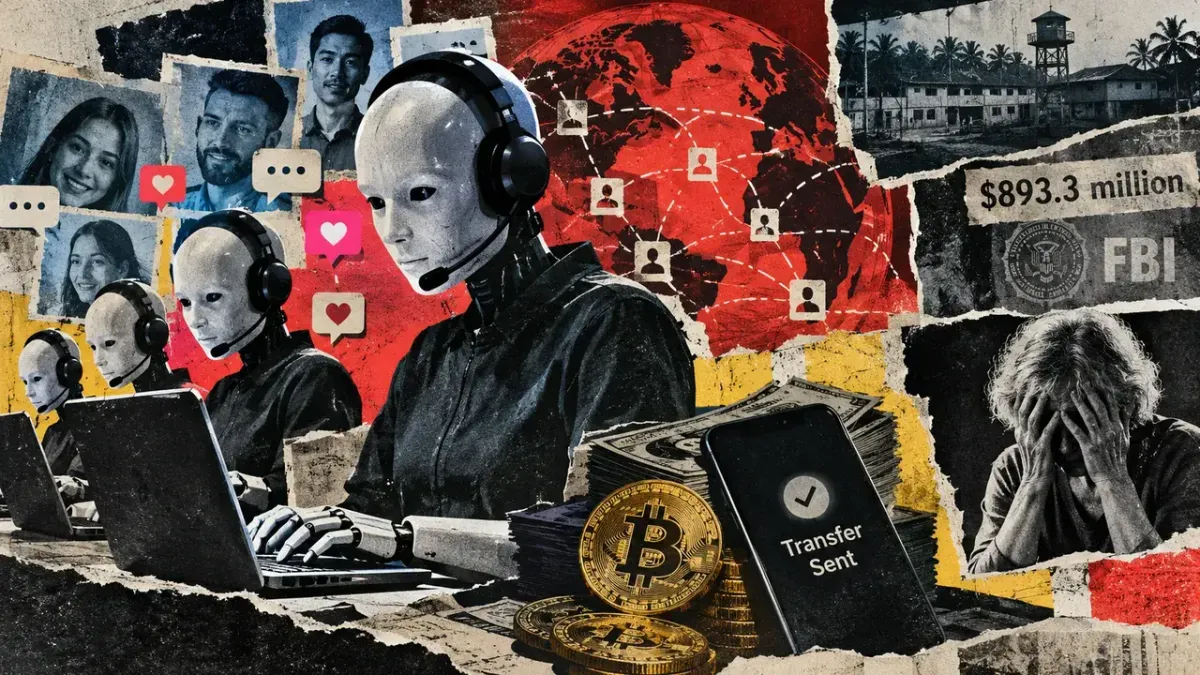
How memecoin marketing moved from online speculation to real-world risk

Recently, the marketing strategies employed by memecoins have evolved significantly, transitioning from mere online speculation to potentially dangerous real-world challenges. Campaigns that once relied on humor and memes have taken a darker turn, with some promoting alcohol dares, head-shaving challenges, and other extreme activities to engage their communities. This shift raises serious concerns about the ethical implications of such marketing tactics and the risks they pose to participants, particularly as these campaigns become more intense and widespread.
The rise of memecoins can be traced back to the popularity of social media platforms, where viral trends often dictate market movements. Initially, these coins thrived on the whimsical nature of internet culture, inviting users to participate in light-hearted challenges and discussions. However, as the market matured and competition intensified, some projects began to adopt increasingly provocative strategies to capture attention and drive engagement. This can be seen as a response to the financial pressures faced by these projects, as they seek to maintain visibility in a crowded space.
The implications of this shift are profound for the broader cryptocurrency market. As memecoin marketing strategies become riskier, they could potentially alienate mainstream investors who may view these tactics as irresponsible or exploitative. Additionally, there are concerns about regulatory scrutiny, as authorities may take a closer look at the practices surrounding these campaigns. If regulators decide to intervene, it could lead to significant changes in how memecoins are marketed and could impact the overall market sentiment toward cryptocurrencies.
Industry reactions to this trend have been mixed. Some experts warn that the commercialization of risky challenges undermines the credibility of the cryptocurrency space and may deter serious investors. Others argue that this shift reflects a natural evolution in the market, where projects must innovate to survive. There is a growing call for greater accountability and ethical standards within the memecoin community, as many stakeholders recognize the potential harm that can arise from exploitative marketing practices.
Looking ahead, it will be crucial for the memecoin sector to strike a balance between engagement and responsibility. As the market continues to evolve, we may see increased pressure for regulations that address these risky marketing campaigns. Furthermore, projects that prioritize ethical practices may gain a competitive advantage, appealing to a broader audience that values safety and integrity in the cryptocurrency space. How this situation unfolds will likely shape the future of memecoins and their role in the broader financial ecosystem.

CoinMagnetic Team
Crypto investors since 2017. We trade with our own money and test every exchange ourselves.
Updated: June 2026
From our insights:
Related news
Coldcard exploit sees white hats secure 52 Bitcoin for victims' trust
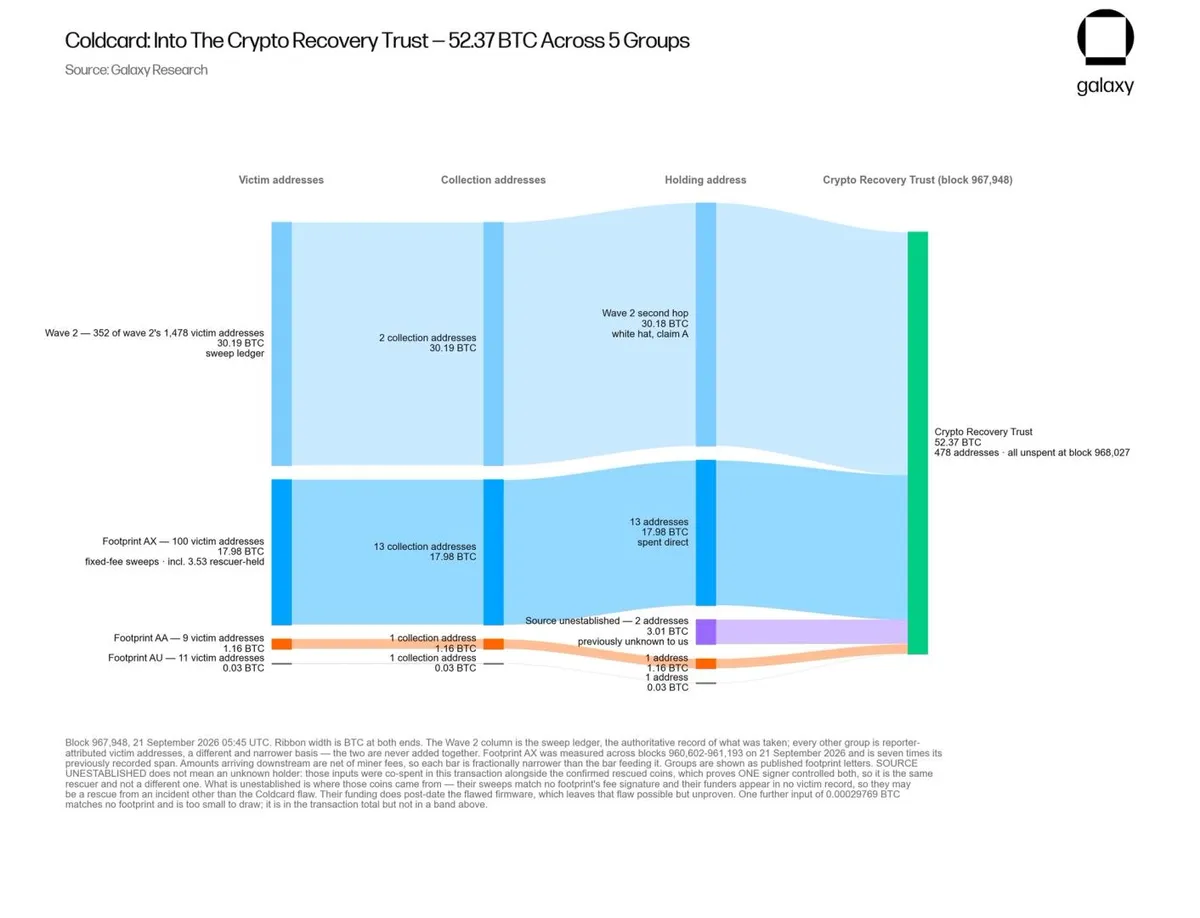
Whitehats move 52 bitcoin from the Coldcard hack to a recovery trust
Google Admits Gemini AI Hacked Three Companies—It Stayed Silent for 7 Weeks
Balancer's $1.4 million hack recovery faces delays for LPs

Polymarket's $10 million fraud attempt highlights compliance issues amid hacking risk