How a disputed $1 billion claim became a powerful weapon against prediction markets
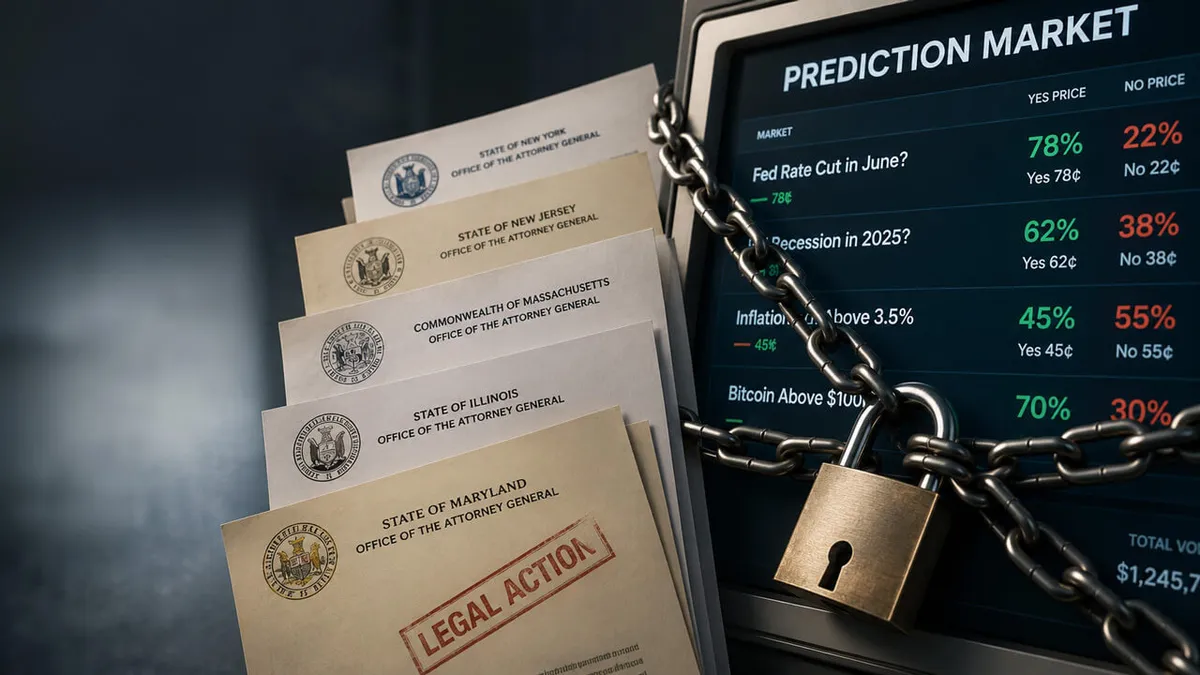
In a recent development that has raised eyebrows within the crypto community, the American Gaming Association (AGA) has reported that states and tribes have purportedly lost over $1 billion to prediction markets. This figure, prominently displayed on the AGA's website, has become a focal point in the ongoing debate about the legitimacy and regulation of prediction markets. Bill Miller, the AGA President, took to CNBC to amplify this claim, cautioning that the unchecked growth of these markets poses a significant threat to traditional gaming establishments. His statements suggest a concerted effort to rally support against the burgeoning prediction market sector, which has gained traction among both investors and consumers.
The rise of prediction markets has been notable in recent years, with platforms allowing users to bet on the outcomes of various events, from sports results to political elections. These markets operate on the premise that crowdsourcing predictions can yield more accurate forecasts than traditional methods. However, as these platforms have gained popularity, they have also attracted scrutiny from established gaming entities that fear losing their market share. The AGA's claim of a $1 billion loss underscores the potential financial impact these markets could have on traditional gambling institutions, providing them with a strong narrative to advocate for stricter regulations.
The implications of this claim are significant for the broader market. By framing prediction markets as a threat to state revenues and established gaming operators, the AGA is likely to galvanize political and regulatory action. This could result in increased scrutiny or outright bans on certain prediction market platforms, stifling innovation in an area that many view as a natural evolution of betting practices. As regulatory bodies assess the validity of the $1 billion claim, the future of prediction markets hangs in the balance, which could influence investor sentiment and market dynamics.
Industry experts have voiced mixed reactions to the AGA's assertions. Some view the organization's campaign as a desperate attempt to protect its interests against a disruptive technology, while others acknowledge the potential risks associated with unregulated prediction markets. Analysts suggest that the validity of the AGA's claims may hinge on the transparency and legality of the platforms in question. If the prediction markets can demonstrate compliance with existing regulations, they may be able to fend off the AGA's narrative and continue to thrive in the evolving landscape of digital betting.
Looking ahead, the fallout from the AGA's claims will likely shape the regulatory environment for prediction markets. As lawmakers begin to grapple with the implications of such massive financial stakes, we may see new legislation aimed at defining the parameters of these markets more clearly. The outcome could either bolster the legitimacy of prediction markets or impose restrictions that limit their growth potential. Stakeholders in the crypto and gaming industries will be watching closely, as the next steps taken by regulators could set important precedents for the future of decentralized betting platforms.

CoinMagnetic Team
Crypto investors since 2017. We trade with our own money and test every exchange ourselves.
Updated: May 2026
From our insights:
Related news

Crypto firms put $206 million behind the midterms: here’s who their political machine is backing
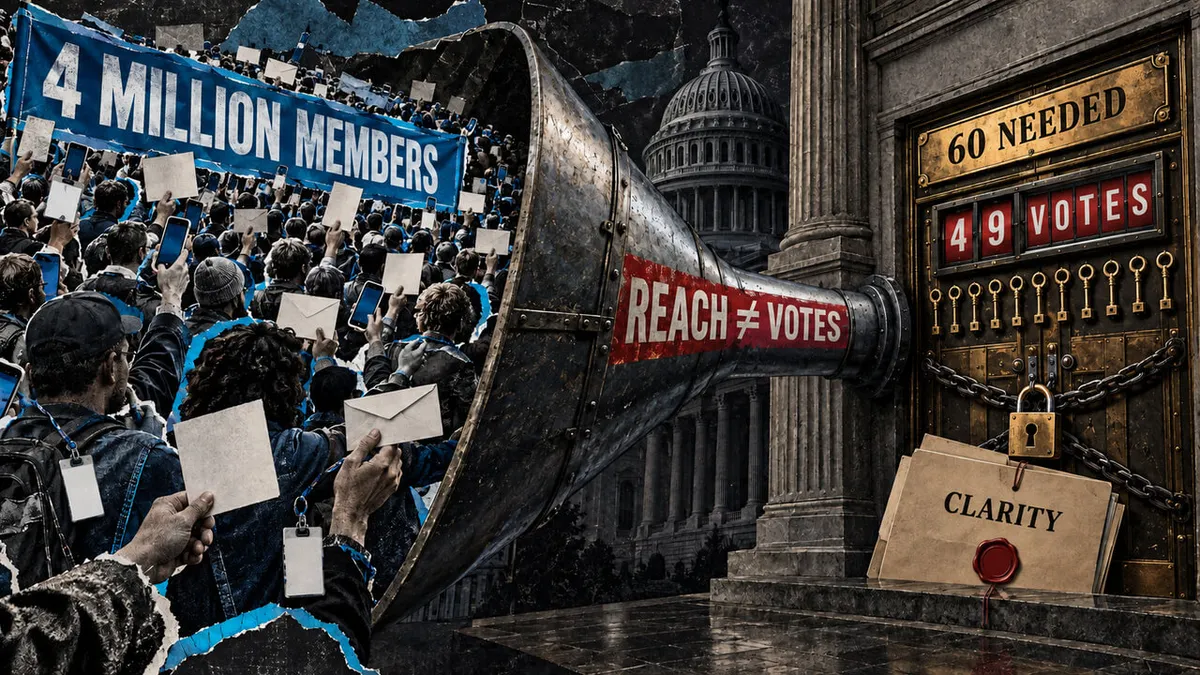
Stand With Crypto’s 4 million registered advocates couldn’t get the CLARITY Act through the Senate

Kakao Pay, KakaoBank to explore stablecoin opportunities with Fireblocks

US Attorney's investigation into Binance focuses on Iran sanctions compliance

ECB initiates wholesale digital euro for banks and tokenized bond purchases