House Oversight chair launches probe into insider trading on Kalshi and Polymarket

The House Oversight Committee, led by Chairman James Comer, has initiated a probe into allegations of insider trading involving the prediction markets Kalshi and Polymarket. In a recent development, Comer has reached out to the CEOs of both platforms, requesting documentation related to these allegations by June 5. This inquiry underscores growing scrutiny of prediction markets as they gain traction in the financial landscape, raising questions about market integrity and regulatory oversight.
Prediction markets, which allow users to bet on the outcomes of various events, have emerged as a popular alternative to traditional financial instruments. Kalshi, which is regulated by the Commodity Futures Trading Commission (CFTC), and Polymarket, which operates under a more ambiguous regulatory framework, have both carved out significant niches in this burgeoning space. The emergence of these platforms has brought to light the complexities of regulating a market that straddles the line between gambling and investing. As these platforms grow in popularity, the risks of insider trading and manipulation also become more pronounced, prompting the need for regulatory attention.
This investigation is particularly significant for the broader crypto and financial markets as it highlights the vulnerabilities of emerging platforms. Insider trading allegations can erode public trust and lead to increased regulatory scrutiny, which may hinder innovation in this space. If the probe uncovers substantial evidence of wrongdoing, it could set a precedent for tighter regulations across prediction markets and potentially impact their business models. Market participants are closely watching how this situation unfolds, as it may influence investor sentiment and the future of similar platforms.
Reactions from industry experts have been mixed. Some view the investigation as a necessary step toward ensuring transparency and fairness in the prediction market space. Others argue that overregulation could stifle innovation and limit the unique advantages that prediction markets offer. The industry is keen on maintaining its credibility and is likely to advocate for a balanced approach that addresses concerns without imposing overly burdensome regulations.
As the June 5 deadline approaches, all eyes will be on the responses from Kalshi and Polymarket, as well as the subsequent actions taken by the House Oversight Committee. The outcomes of this investigation could have far-reaching implications not only for the two companies involved but also for the future of prediction markets as a whole. Stakeholders will be eager to see how regulatory frameworks evolve in response to these developments, and whether this probe will lead to reforms that enhance market integrity while still fostering innovation.

CoinMagnetic Team
Crypto investors since 2017. We trade with our own money and test every exchange ourselves.
Updated: May 2026
From our insights:
Related news
Iran hints at reopening Strait of Hormuz, WTI oil drops to $89

New altseason signal emerges as Bitcoin market cap stays under 60%

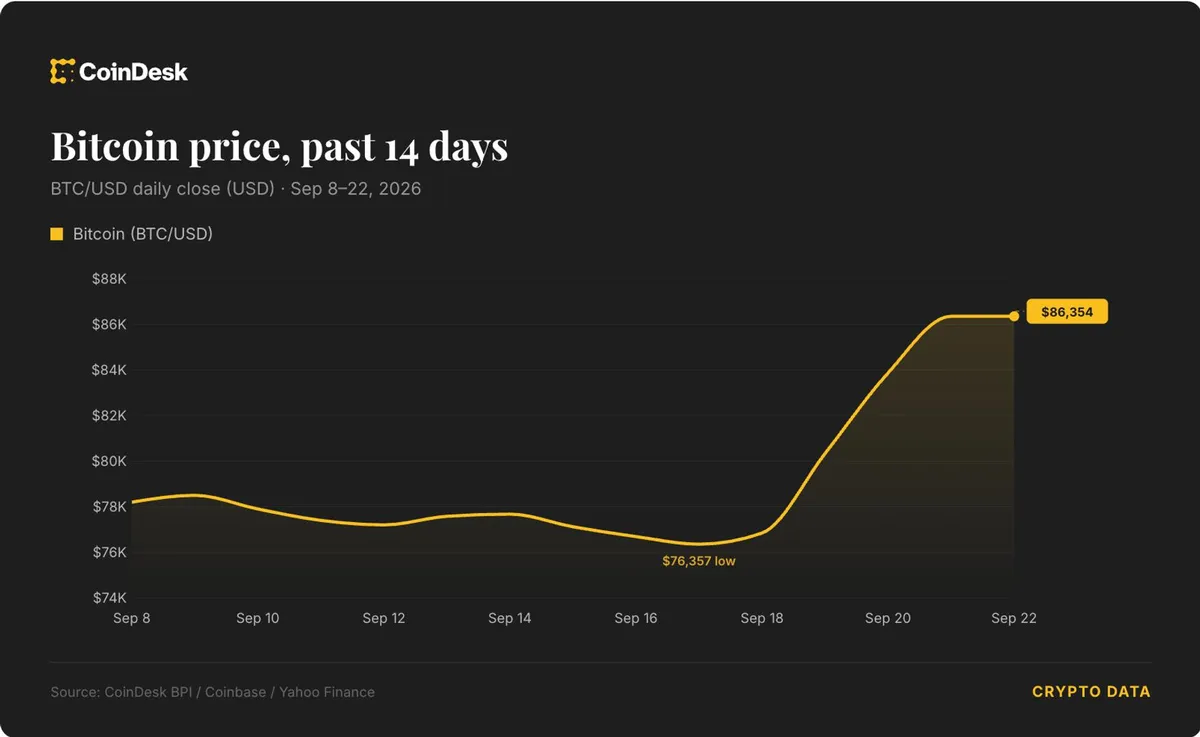
Bitcoin nears $86,000 as crypto market cap surpasses $3 trillion

Bitcoin's weekly close above $81,000 signals potential rise to $90,000

Elon Musk's X integrates bitcoin trading options for U.S. users