Hormuz oil contagion spreads to 8 major economies and Bitcoin has just one route through
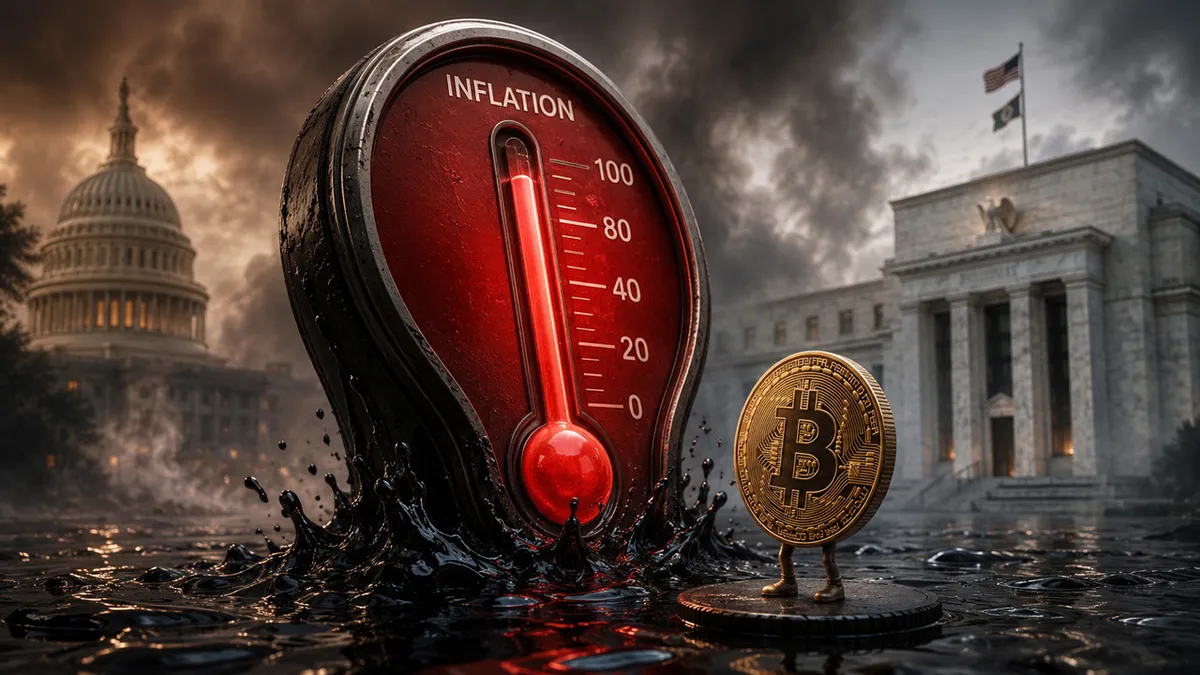
Recent developments in the Strait of Hormuz, a critical chokepoint for global oil supplies, have escalated into a broader economic issue affecting major world economies. The International Energy Agency has reported a dramatic reduction in crude and refined-product exports through the strait, now plummeting to less than 10% of pre-conflict levels. This substantial drop has sent shockwaves through oil markets, with eight major economies feeling the ripple effects, leading to increased volatility and uncertainty in global energy prices. As the situation continues to evolve, Bitcoin's trajectory appears increasingly intertwined with these geopolitical developments and global economic policies.
Understanding the background is essential to grasp the full implications of this crisis. The Strait of Hormuz is a vital artery for oil transportation, with a significant portion of the world's oil passing through it. The recent turmoil has not just affected oil prices but has also raised concerns regarding energy security, inflation, and the potential for economic slowdown in the countries reliant on these imports. As governments scramble to respond to the crisis, their policies will inevitably influence market sentiment and asset valuations, including cryptocurrencies like Bitcoin.
This situation matters for the market because Bitcoin has historically responded to macroeconomic trends and geopolitical uncertainties. As central banks and governments adjust their monetary policies in reaction to rising energy prices and potential supply chain disruptions, Bitcoin may serve as a hedge against inflation and currency devaluation. Investors are closely monitoring how Bitcoin navigates this challenging environment, particularly as its role as a digital asset continues to evolve in the context of global economic shifts.
Industry experts are weighing in on the potential outcomes of this crisis. Some analysts suggest that Bitcoin could benefit from increased demand as a safe haven asset, especially if traditional financial systems show signs of strain. Others caution that regulatory responses could also shape Bitcoin's path, depending on how governments choose to react to rising energy prices and economic pressures. The mixed reactions hint at a complex interplay between Bitcoin and traditional markets, which could lead to significant price movements in the near future.
Looking ahead, it remains to be seen how long the disruptions in the Strait of Hormuz will last and what measures governments will implement to stabilize their economies. Bitcoin's future performance will likely depend on the evolving geopolitical landscape and the responses from central banks worldwide. As we enter this uncertain phase, the cryptocurrency market will be closely watching for signs of how Bitcoin can maneuver through these turbulent waters, potentially emerging as a key player in the global financial ecosystem.

CoinMagnetic Team
Crypto investors since 2017. We trade with our own money and test every exchange ourselves.
Updated: May 2026
From our insights:
Related news

CFTC warns against risky prediction market contracts following Trump's speech trades
CFTC issues advisory on risks of cheating in prediction markets

CFTC issues warning on manipulation risks in prediction markets tied to mentions

Ancient wallets move $161 million in bitcoin, including 600 BTC today
CFTC Chairman Selig emphasizes need for markets to adapt to mass tokenization