Hong Kong advances virtual asset advisory and management rulemaking

Hong Kong has taken a significant step toward regulating its burgeoning cryptocurrency sector by advancing the licensing framework for virtual asset advisers and managers. The local government aims to establish a regulatory framework that aligns with anti-money laundering (AML) standards, targeting a legislative completion date in 2026. This initiative reflects Hong Kong’s commitment to creating a transparent and secure environment for crypto-related activities while ensuring that financial crimes are effectively mitigated. The proposed rules will require crypto advisers and managers to obtain licenses, adhering to stringent compliance measures that could reshape the operational landscape for virtual asset businesses in the region.
In recent years, Hong Kong has emerged as a key player in the global cryptocurrency market, attracting numerous crypto firms and investors drawn by its favorable regulatory environment and financial infrastructure. However, the rapid growth of the sector has also raised concerns about potential risks associated with money laundering and fraud. The government’s move to implement a licensing regime is seen as a necessary step to safeguard the financial system and bolster investor confidence. This initiative is part of a broader trend where various jurisdictions are tightening regulations around cryptocurrencies to ensure adequate oversight.
The implications of this regulatory advancement are significant for the market. By establishing clear guidelines and requirements for crypto advisers and managers, Hong Kong is likely to attract more institutional investors who seek a regulated space to operate within. This could lead to increased legitimacy for the crypto sector, potentially enhancing market stability. Moreover, as other regions observe Hong Kong's proactive stance, it may encourage them to adopt similar regulatory measures, further shaping the global landscape of cryptocurrency governance.
Industry reactions have been mixed but largely supportive. Many experts in the field acknowledge the need for regulation to protect investors and maintain market integrity. Some industry leaders have praised the move, suggesting that a clear regulatory framework will help legitimize the sector and weed out bad actors. However, there are also concerns that overly stringent regulations could stifle innovation and drive businesses to more lenient jurisdictions. As the regulations continue to develop, stakeholders are keenly observing how they will balance the objectives of security and innovation.
Looking ahead, the successful implementation of these regulations will depend on continued dialogue between regulators and industry participants. As the 2026 target date approaches, it will be crucial for the government to engage with stakeholders to refine the proposed rules, ensuring they are practical and conducive to growth. The effectiveness of this regulatory framework will not only determine the future of crypto operations in Hong Kong but could also set a precedent for other regions grappling with similar issues in the cryptocurrency space.

CoinMagnetic Team
Crypto investors since 2017. We trade with our own money and test every exchange ourselves.
Updated: May 2026
From our insights:
Related news

Bitcoin's weekly close above $81,000 signals potential rise to $90,000
Elon Musk's X integrates bitcoin trading options for U.S. users
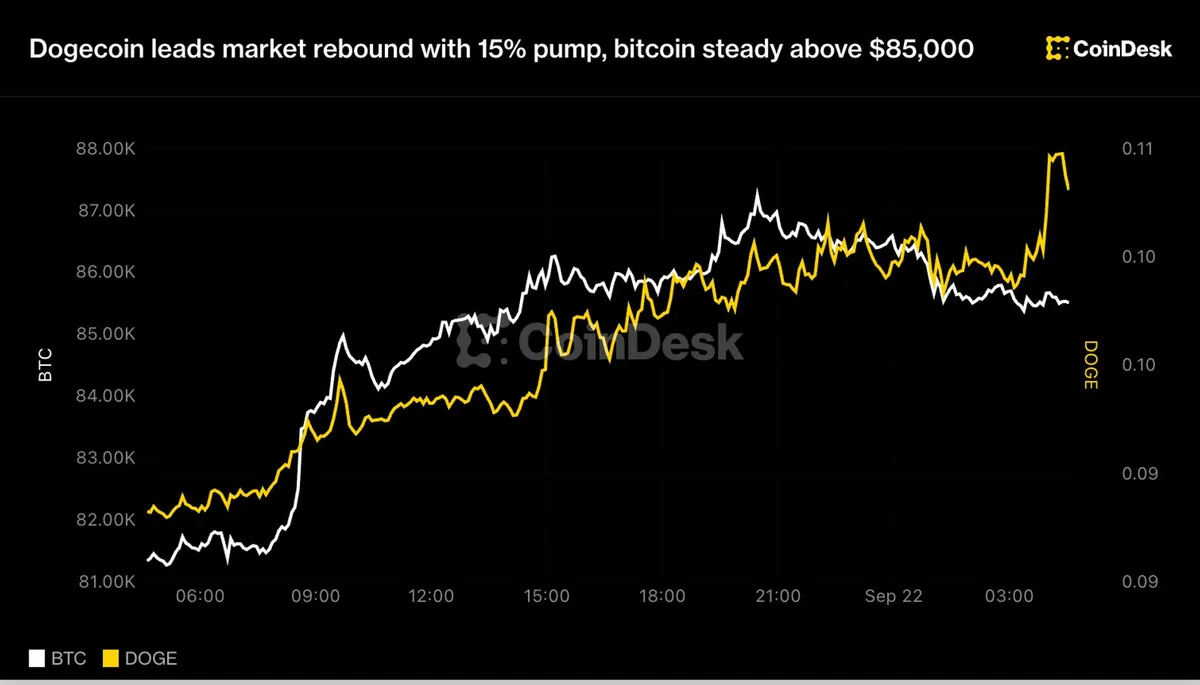
Dogecoin's 15% surge drives market recovery as bitcoin stabilizes above $85,000

Cardano adds tools for AI agent payments, joining Solana and XRP Ledger

Trueo prediction market moves from Base to Ethereum