Hollywood director Carl Rinsch sentenced to 30 months for diverting $11 million in TV production funds to stock options, crypto and luxury purchases

Carl Rinsch, the director known for his work on "47 Ronin," has been sentenced to 30 months in prison after being found guilty of diverting $11 million in funds intended for a Netflix production. The funds were misappropriated and used for a range of personal expenditures, including investments in cryptocurrency, stock options, and luxury items such as Rolls-Royce vehicles. This case has garnered significant media attention, highlighting the serious legal repercussions of financial misconduct within the entertainment industry.
The context of this case revolves around the growing scrutiny of financial practices in Hollywood, particularly as production budgets increase and the demand for transparency rises. Rinsch's case is not an isolated incident; it falls within a broader pattern where creative professionals have faced legal challenges over financial mismanagement or fraud. The entertainment industry has seen a surge in high-profile cases that expose vulnerabilities in financial oversight, particularly when large sums of money are at stake.
This conviction has implications beyond Rinsch's personal fate–it raises questions about the integrity of financial practices in the film and television industry. As studios and production companies increasingly invest in technology and digital assets, including cryptocurrency, the potential for financial misappropriation grows. Investors and stakeholders in the industry may now be more cautious, leading to tighter regulations and a demand for greater accountability in how production funds are managed.
Industry reactions have been mixed, with some experts emphasizing the need for stricter financial oversight in entertainment, while others caution against overregulating a creative field that thrives on innovation. Legal professionals argue that this case may serve as a deterrent for others considering similar misconduct, reinforcing the message that financial crimes will be met with serious consequences. Moreover, the case has sparked conversations about the ethical responsibilities of directors and producers in handling production budgets.
Looking ahead, it is likely that this case will prompt immediate discussions on regulatory reforms within the industry. As Hollywood grapples with the implications of digital currencies and the evolving landscape of financial management, producers and directors may need to adapt their practices to ensure compliance and integrity. Stakeholders will be keeping a close eye on the development of new policies that arise from this situation, as the industry seeks to restore confidence among investors and audiences alike.

CoinMagnetic Team
Crypto investors since 2017. We trade with our own money and test every exchange ourselves.
Updated: June 2026
From our insights:
Related news
Citi clients can now process stablecoin payments via Coinbase's banking rails
Goldman Sachs brings $100 billion Treasury fund into crypto’s institutional plumbing

Evernorth's XRP purchasing capacity at risk from SPAC shareholder redemptions
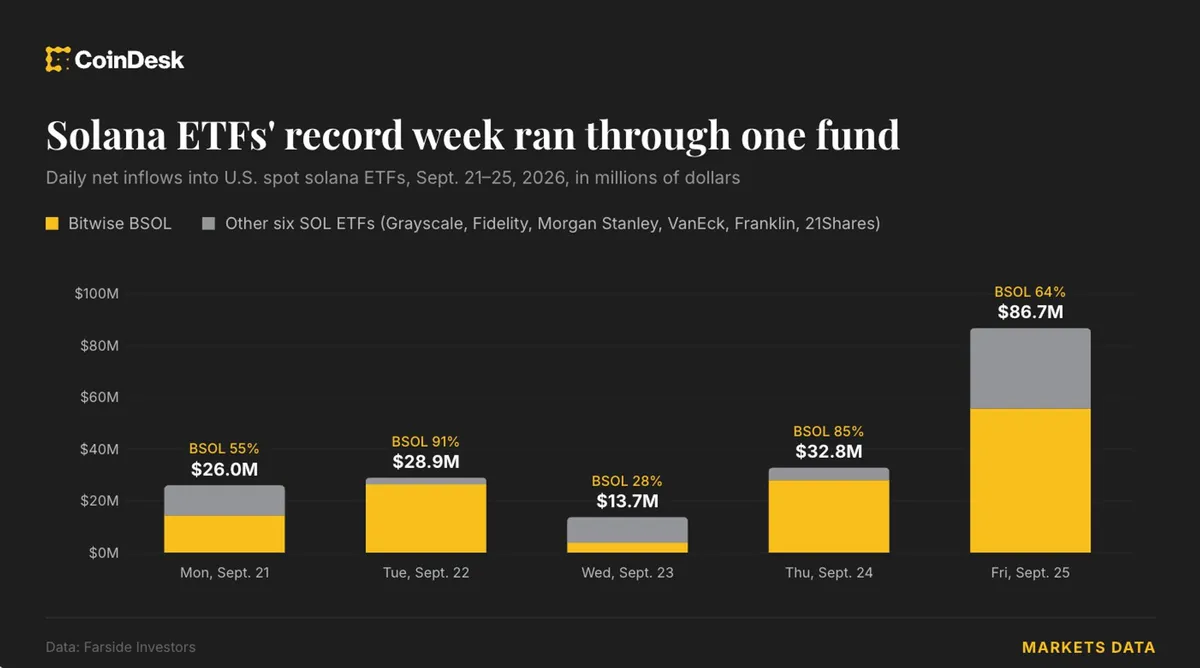
Solana ETFs draw record $188 million in a week as Bitwise takes two-thirds of inflows

Institutional investors divided on Bitcoin's future as market bets change