Here is why Wall Street is racing to tokenize the entire stock market
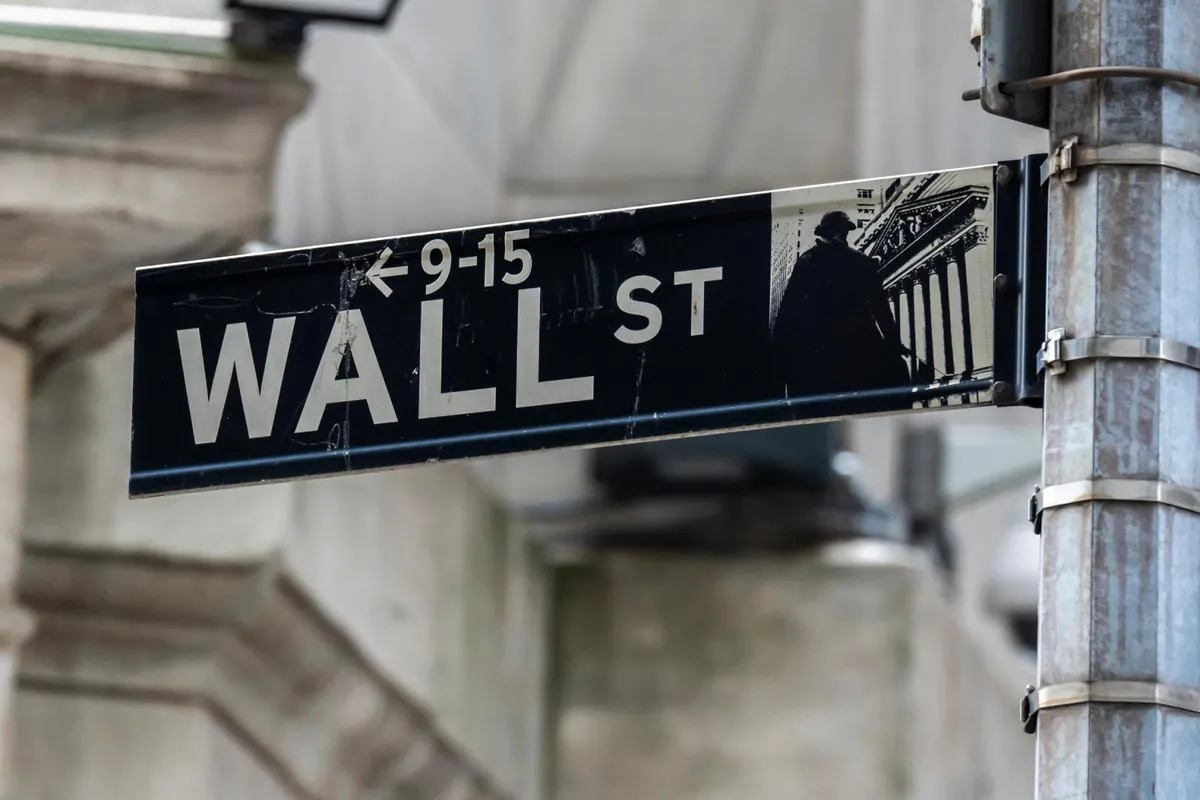
The concept of tokenizing the entire stock market has gained significant traction, especially as we move through 2026. Major financial institutions on Wall Street are increasingly exploring how blockchain technology can transform traditional equity markets by converting stocks and other assets into digital tokens. This shift promises to enhance liquidity, streamline trading processes, and democratize access to investments, allowing a broader audience to participate in the stock market. Advocates believe that the benefits could be massive, but executing this vision presents a host of challenges–both technical and regulatory–that must be addressed.
Historically, the financial markets have operated through centralized systems, which can lead to inefficiencies and barriers to entry for retail investors. The rise of cryptocurrencies and decentralized finance (DeFi) has sparked a broader conversation about the potential for tokenization to revolutionize how assets are traded and owned. Tokenization could facilitate fractional ownership, enabling investors to purchase smaller portions of high-value assets, thereby making investing more accessible. As institutions begin to take notice, the trend towards digitization is now being viewed as a necessary evolution rather than a mere possibility.
The implications of tokenizing the stock market could be profound. For one, the increased liquidity could lead to tighter spreads and lower transaction costs, benefiting both institutional and retail investors. Furthermore, the ability to trade assets 24/7 could attract a new wave of investors who seek flexibility in their trading schedules. If successful, tokenization may not only enhance the efficiency of current trading systems but could also create entirely new markets and opportunities for innovation, positioning the finance sector for a digital future.
Responses from industry experts have been largely optimistic, highlighting the transformative potential of blockchain technology in the financial sector. Many believe that as more traditional firms begin to adopt tokenization, it will validate the concept and encourage further investment in related technologies. However, there are cautionary voices as well, emphasizing the need for robust regulatory frameworks to prevent issues like fraud and market manipulation. Experts urge that the path toward tokenization must be paved with careful consideration of these challenges to ensure a secure and equitable environment for all market participants.
Looking ahead, the race to tokenize the stock market will likely intensify as more financial players enter the fray. Various pilot projects and collaborations are expected to emerge, testing the waters for broader implementation. Regulatory bodies will also play a crucial role in shaping the developments ahead–potentially establishing guidelines that balance innovation with investor protection. As this narrative unfolds, the financial community will be watching closely to see how tokenization can reshape the landscape of trading and investment.

CoinMagnetic Team
Crypto investors since 2017. We trade with our own money and test every exchange ourselves.
Updated: May 2026
From our insights:
Related news
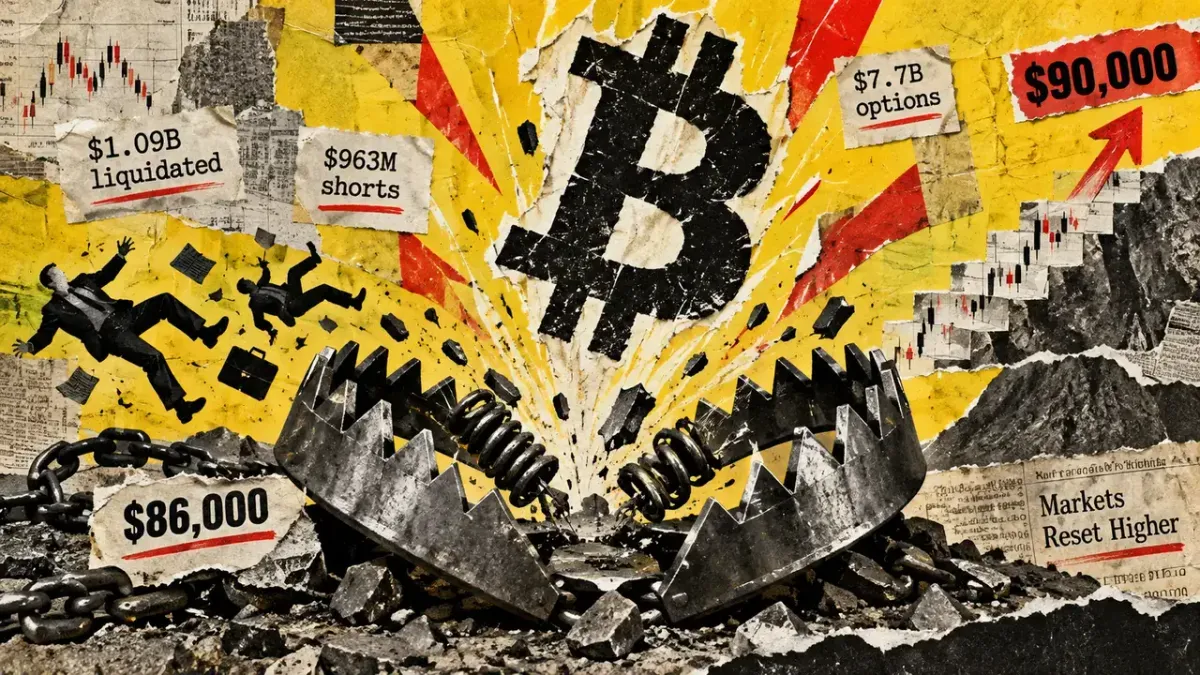
Bitcoin surges past $86,000 as $1 billion in shorts are liquidated, eyes on $90,000
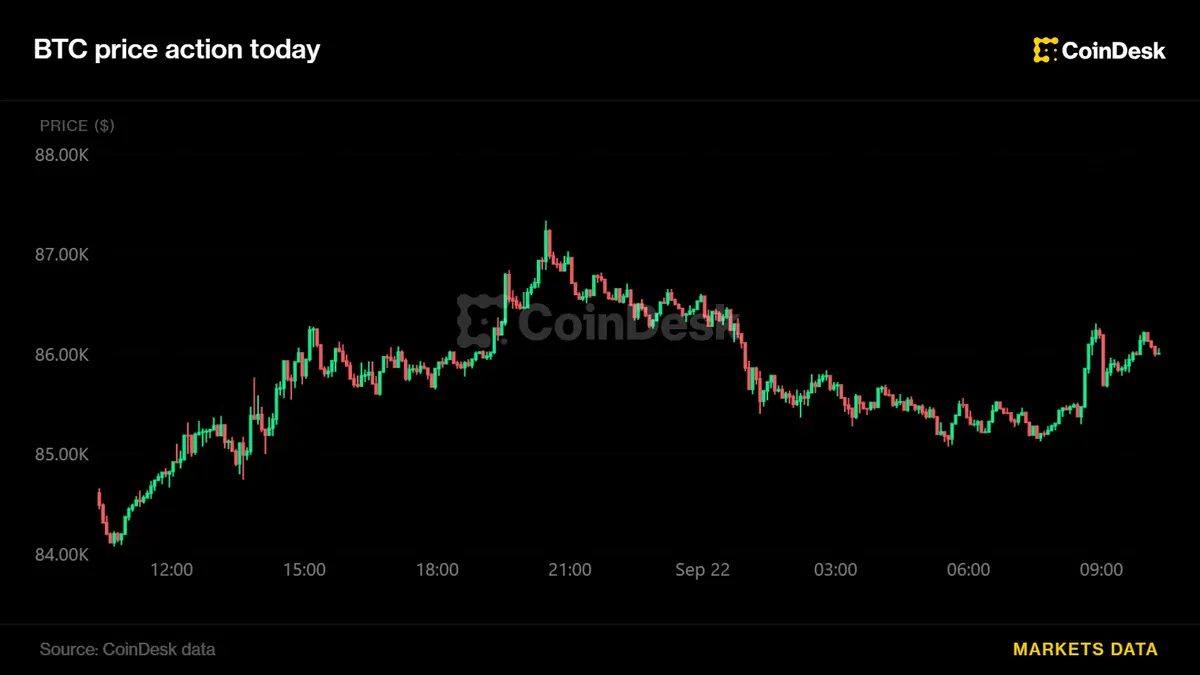
Bitcoin bounces back to $86,000 as oil prices decline and stocks rise

Prediction markets projected to reach $10 trillion by 2035, surpassing sports
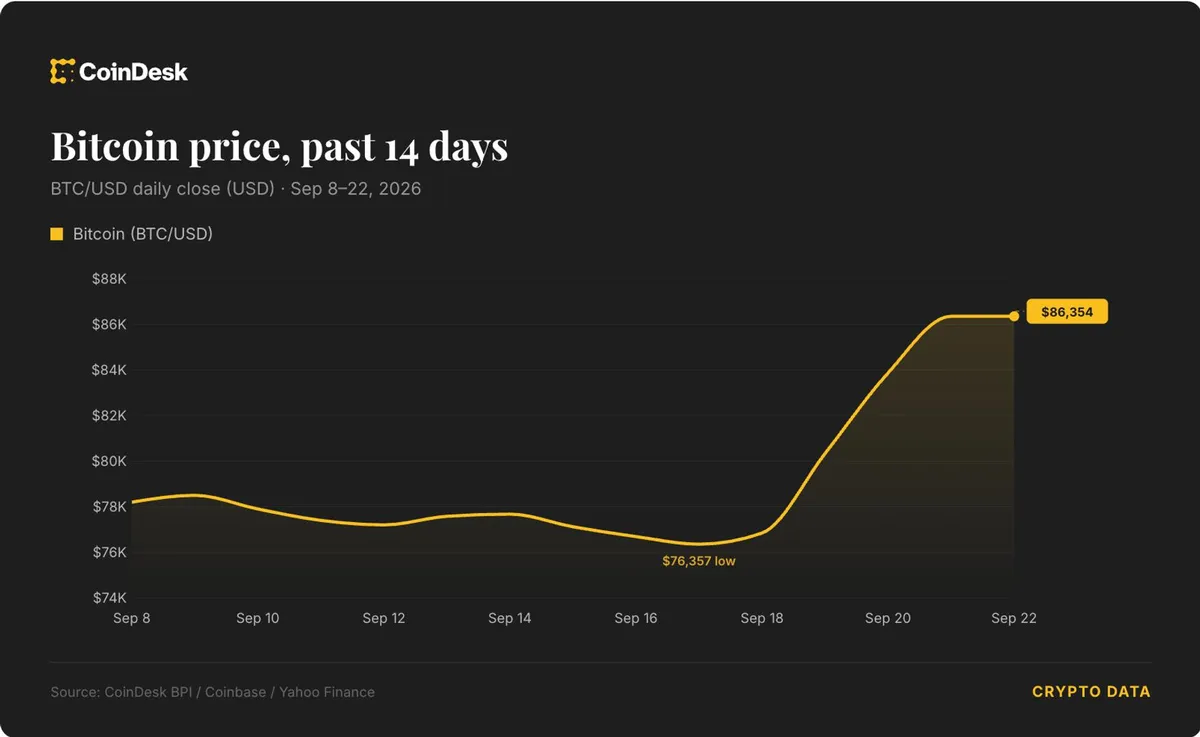
Iran hints at reopening Strait of Hormuz, WTI oil drops to $89
New altseason signal emerges as Bitcoin market cap stays under 60%