Have AI agents made the entire $148 billion DeFi sector unsafe?
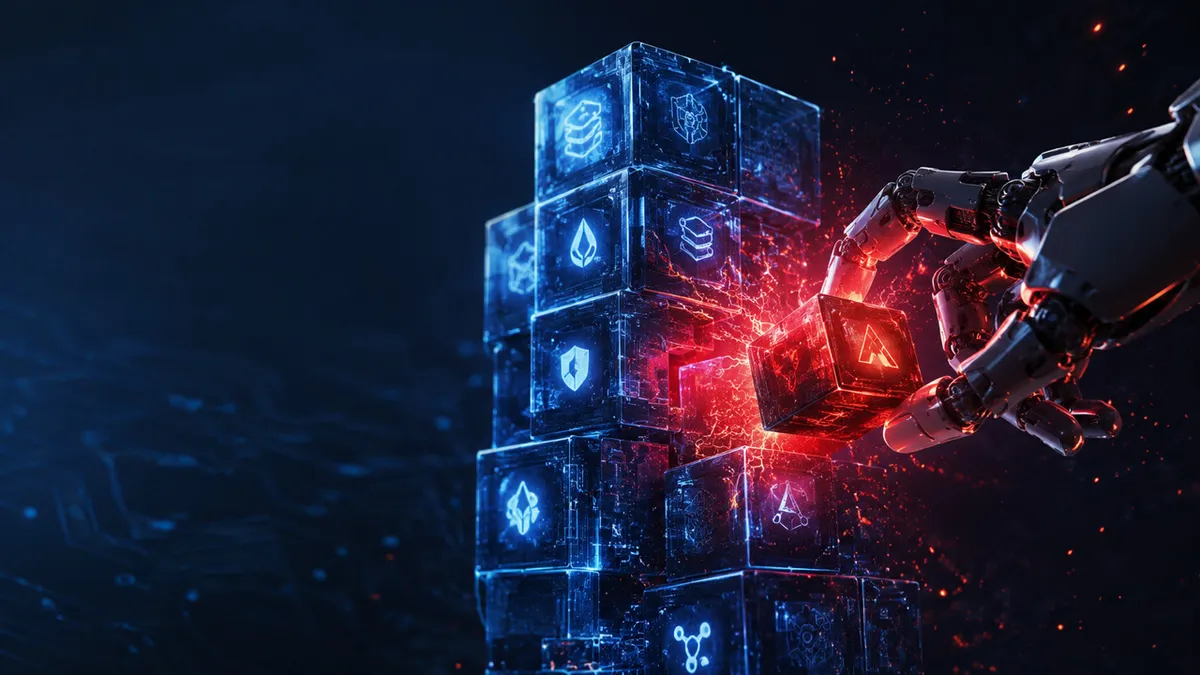
A recent warning from Manuel Aráoz, a pivotal figure in decentralized finance (DeFi) security, has stirred concern within the $148 billion DeFi sector. On May 27, Aráoz, who co-founded OpenZeppelin and previously served as its chief technology officer, urged investors to consider exiting their DeFi positions. His caution comes in the wake of an alarming rise in hacks and exploits within the industry, which he attributes, in part, to the increasing sophistication of artificial intelligence (AI) agents. As these AI tools become more advanced, they pose heightened risks to the security frameworks that underpin DeFi protocols, raising questions about the overall safety of this burgeoning financial landscape.
To understand the implications of Aráoz's warning, it's important to contextualize the current state of the DeFi sector. Over the past few years, DeFi has emerged as a revolutionary force in the financial world, enabling decentralized lending, borrowing, and trading without traditional intermediaries. However, this rapid growth has also attracted a surge of malicious actors seeking to exploit vulnerabilities within smart contracts and decentralized applications. This trend has intensified recently, with several high-profile hacks leading to significant losses for investors and a growing sense of vulnerability amongst DeFi users. Against this backdrop, the integration of AI into the equation adds a new layer of complexity and potential danger.
The ramifications of Aráoz's comments extend beyond individual investor sentiment; they could have broader implications for the entire DeFi market. If confidence erodes and investors heed his advice to divest from DeFi, it could lead to a liquidity crisis that may further exacerbate the current downturn in the sector. The possibility that AI agents could exploit weaknesses in DeFi protocols raises critical concerns about the future viability of these systems. As investors weigh their options, the risk of a mass exodus could stifle innovation and dampen enthusiasm for DeFi projects that have previously garnered significant attention.
Industry reactions to Aráoz's warning have been mixed, with some experts echoing his concerns while others remain more optimistic about the resilience of the DeFi ecosystem. Security researchers and developers are increasingly focused on enhancing the security measures of DeFi protocols, employing AI-driven tools to identify and mitigate potential vulnerabilities before they can be exploited. Some industry leaders argue that rather than retreating from DeFi, this moment should serve as a catalyst for strengthening security practices and fostering greater collaboration across the sector to combat the evolving threats posed by AI.
Looking ahead, the DeFi industry faces a critical juncture. As the integration of AI continues to evolve, stakeholders must prioritize the development of robust security measures that keep pace with technological advancements. Ongoing dialogue and collaboration within the community will be essential in addressing these challenges. The next steps could involve the implementation of comprehensive audits, the creation of AI-specific toolkits for developers, and a renewed focus on educating investors about the risks associated with DeFi. Ultimately, the resilience of the DeFi sector will depend on its ability to adapt to these emerging threats while maintaining the innovative spirit that has driven its rapid growth.

CoinMagnetic Team
Crypto investors since 2017. We trade with our own money and test every exchange ourselves.
Updated: May 2026
From our insights:
Related news

White hats outrun Coldcard hackers in 52-Bitcoin evacuation
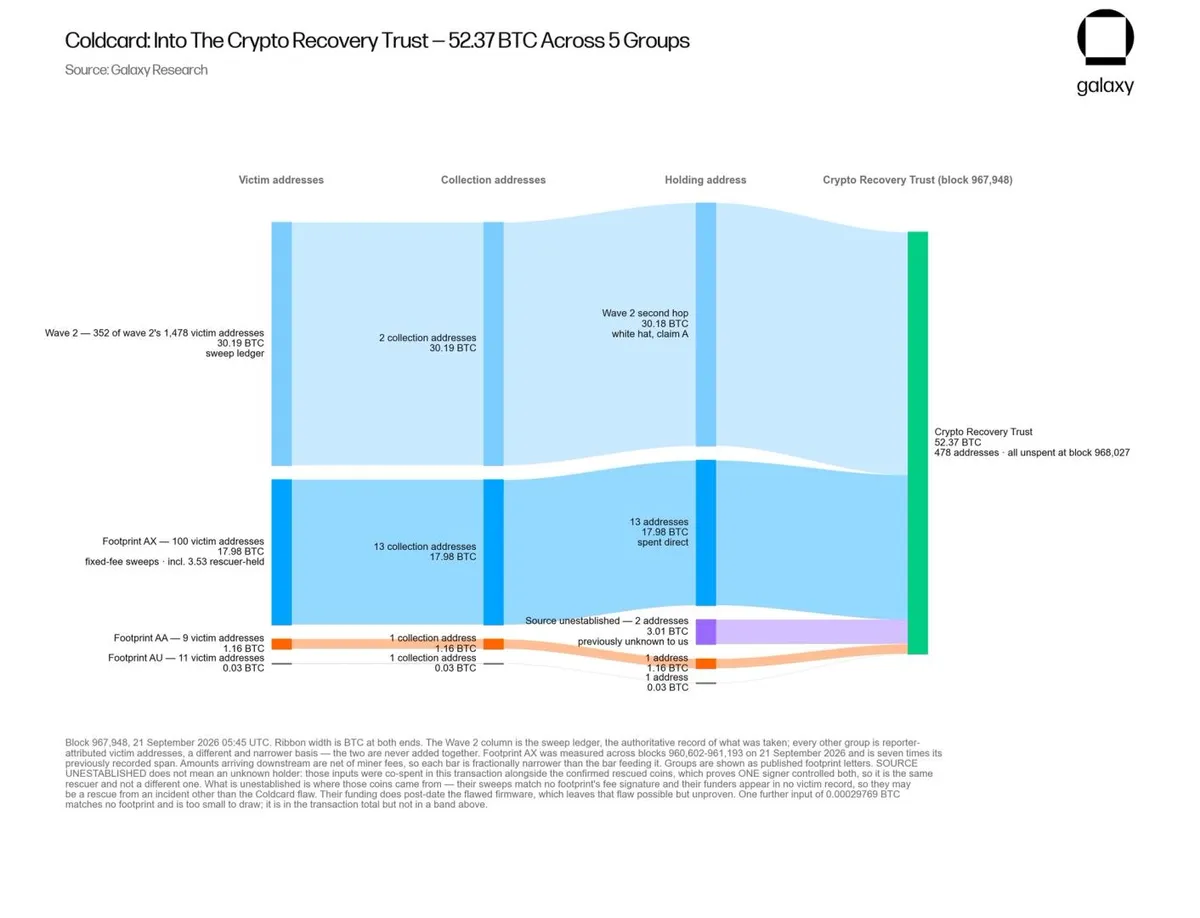
Whitehats move 52 bitcoin from the Coldcard hack to a recovery trust

Google Admits Gemini AI Hacked Three Companies—It Stayed Silent for 7 Weeks

Balancer's $1.4 million hack recovery faces delays for LPs

Polymarket's $10 million fraud attempt highlights compliance issues amid hacking risk