Has Donald Trump been a net positive for Bitcoin or created an unbreakable partisan divide?
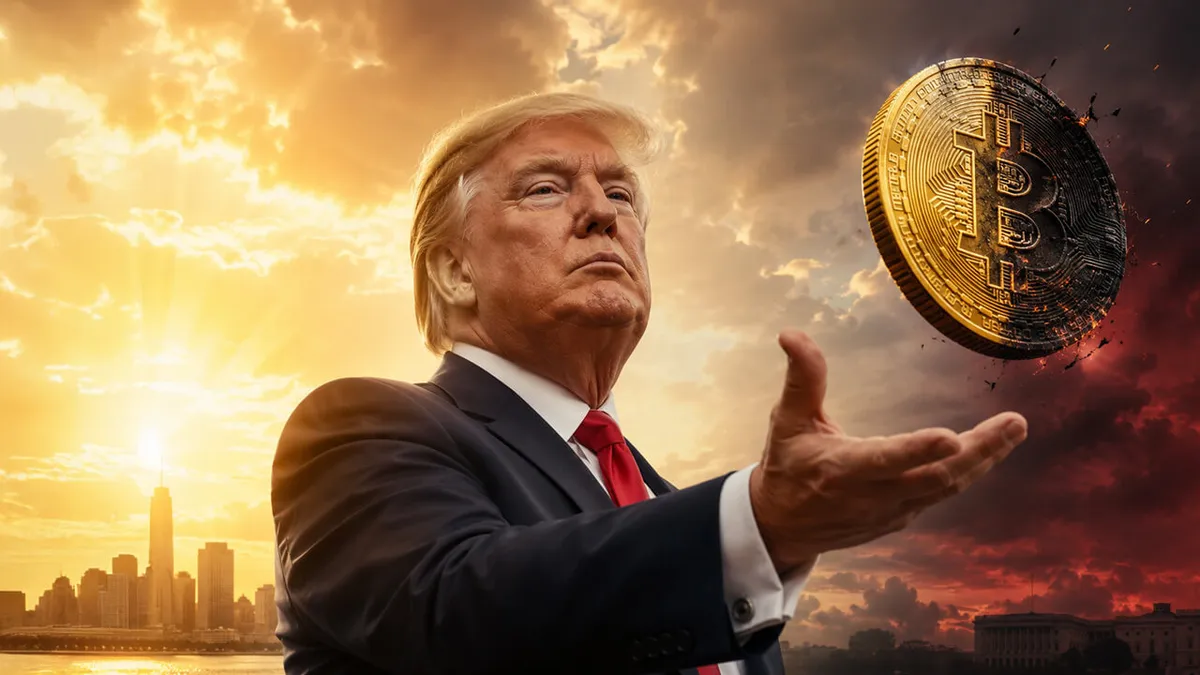
Recent discussions have emerged around the impact of former President Donald Trump on the Bitcoin ecosystem, sparking a complex debate among supporters and critics alike. While some argue that Trump's presidency has positively influenced Bitcoin's visibility and acceptance, others contend that the polarizing nature of his political persona has created a significant divide within the cryptocurrency community. This conversation has intensified with Bitcoin's fluctuating market performance and the growing mainstream interest in cryptocurrencies, challenging enthusiasts to reconcile their political beliefs with their financial interests.
To understand the implications of Trump's influence on Bitcoin, we need to consider the broader context of his presidency and the cryptocurrency landscape during that time. Trump's administration was marked by a mix of regulatory uncertainty and enthusiasm for innovation. His tweets often sent Bitcoin prices soaring or plummeting, illustrating his ability to sway market sentiment. Additionally, his administration's approach to financial regulations, particularly in relation to digital currencies, has left a lasting impact on how cryptocurrencies are perceived by both institutional and retail investors.
This matter is crucial for the market as it underscores the intersection of politics and finance in the cryptocurrency space. Bitcoin, often hailed as a decentralized and apolitical asset, finds itself entangled in political discourse. As Bitcoin's mainstream adoption grows, the question of whether it can remain a unifying force or if it will be further politicized becomes increasingly relevant. The way Trump’s legacy is viewed in relation to Bitcoin could influence investment decisions and regulatory approaches moving forward, ultimately shaping the trajectory of the cryptocurrency market.
Industry reactions have varied, with some Bitcoin advocates arguing that Trump's presidency brought much-needed attention to cryptocurrencies, thereby increasing their legitimacy. Conversely, critics express concern that his divisive rhetoric and controversial policies could alienate potential investors who might otherwise be open to exploring digital currencies. Experts in the field have noted that the relationship between politics and cryptocurrencies is complex, and the lingering effects of Trump's influence are likely to be felt for years to come.
Looking ahead, the future of Bitcoin in a politically charged environment remains uncertain. As the landscape evolves, with new regulations and potential challengers to Bitcoin's dominance, the community may need to navigate the complexities of political affiliations and their impact on market dynamics. Engaging in this discourse will be critical for Bitcoin supporters and investors alike, as they seek to understand how political figures and their actions can shape the future of digital currencies.

CoinMagnetic Team
Crypto investors since 2017. We trade with our own money and test every exchange ourselves.
Updated: May 2026
From our insights:
Related news
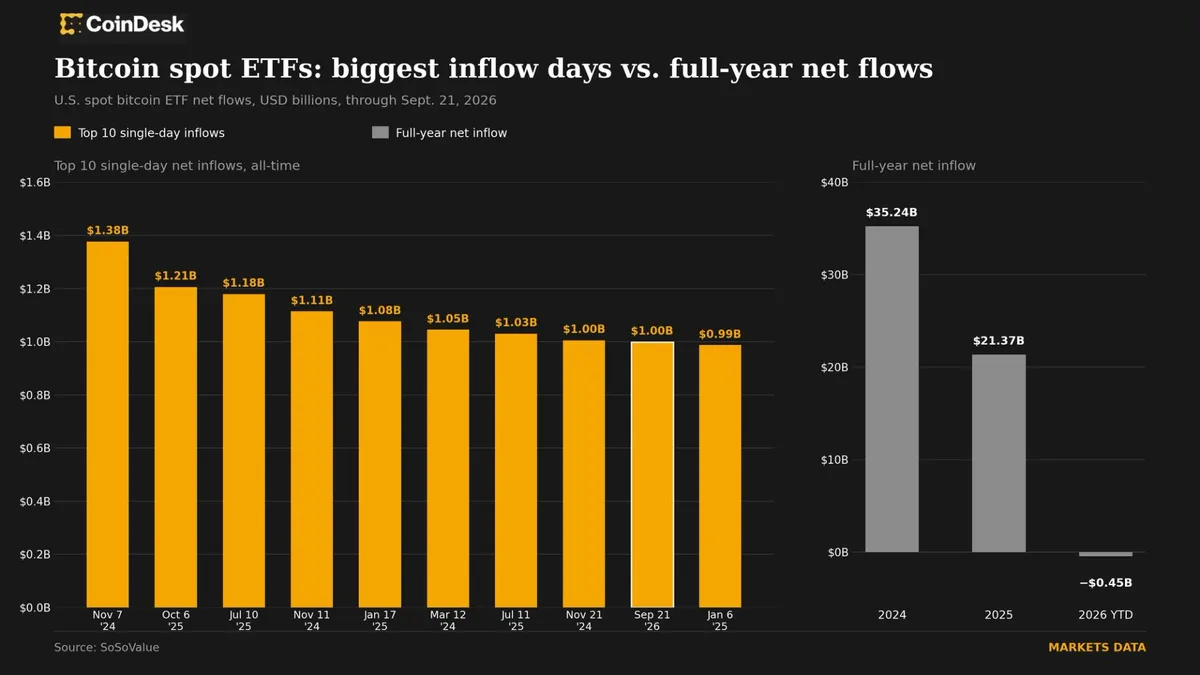
Spot bitcoin ETFs see nearly $1 billion inflow as bitcoin hits January highs
US spot Bitcoin ETFs see nearly $1 billion inflow, highest since October 2025
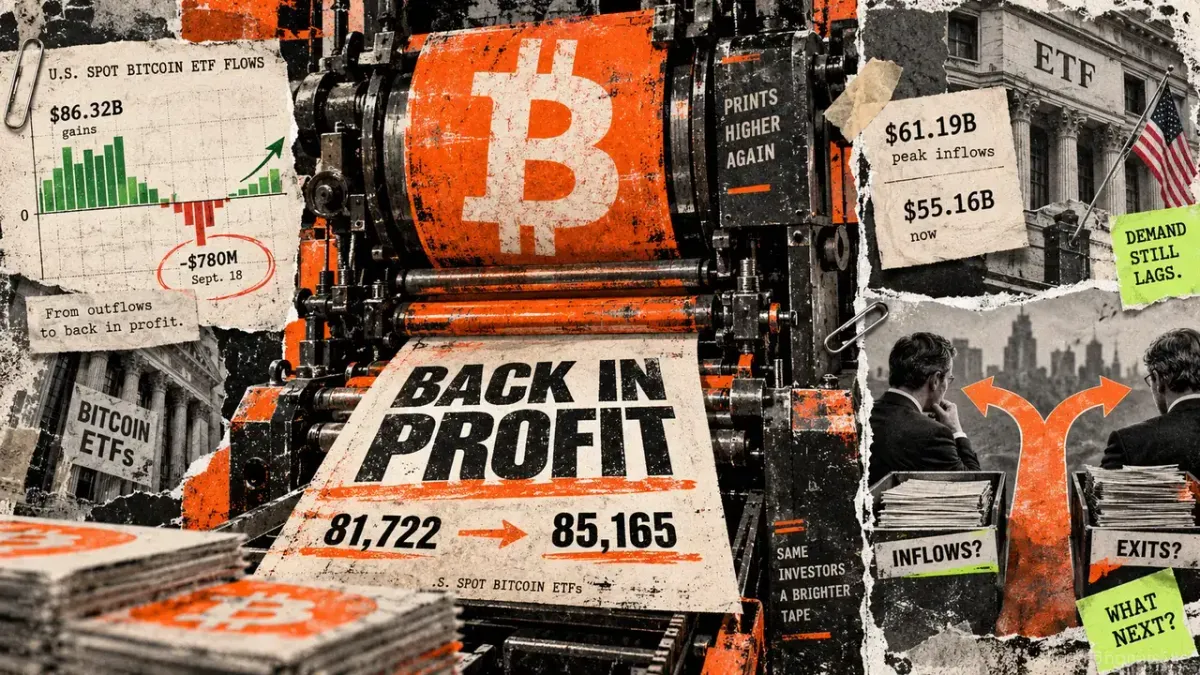
Bitcoin's rise to $86,000 restores profitability for ETF investors

Apple and Google seek crypto experts, signaling potential stablecoin initiatives

ECB initiates bond purchases using its own funds in crypto-linked system