Half of Aave’s debt sits in just 9% of positions built around one Ethereum correlation trade
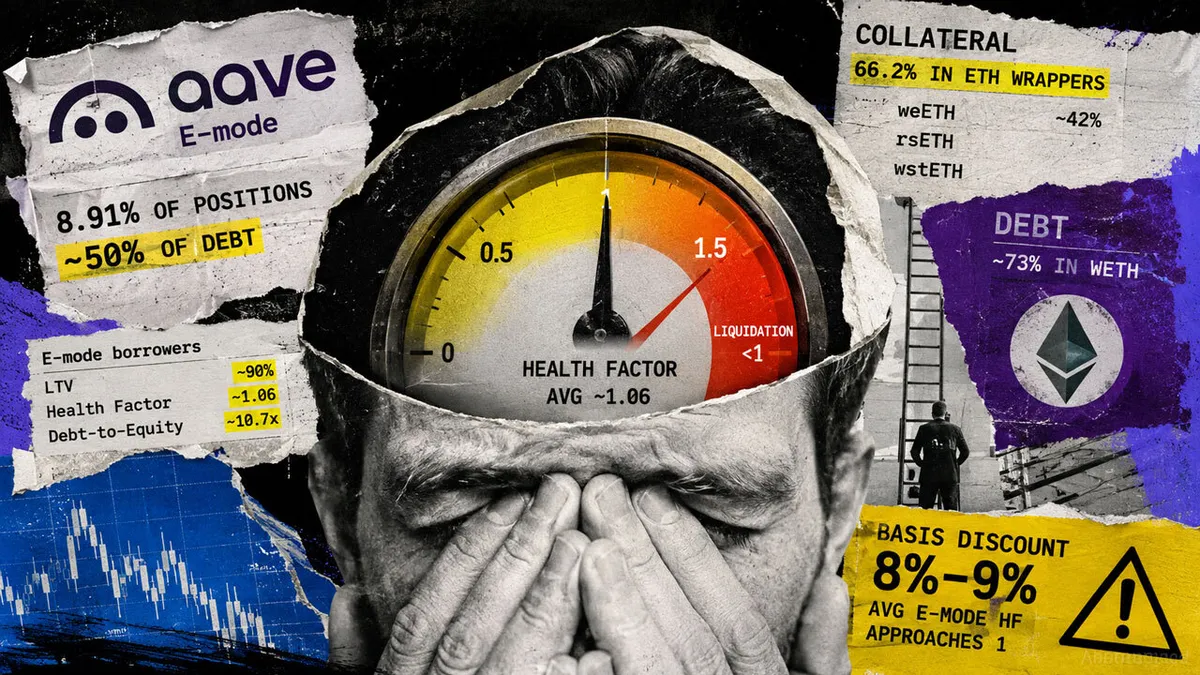
A recent analysis by Galaxy has revealed that a significant concentration of debt within the Aave V3 Core protocol is linked to a specific trading strategy involving Ethereum. According to their August 7 snapshot, Aave hosts a total of 19,073 loans, but fewer than 9% of these positions are utilizing the platform's E-mode setting. This small percentage accounts for nearly half of all outstanding debt on Aave, which raises concerns about risk concentration and market stability.
The context behind this concentration is rooted in the features of Aave’s E-mode, which is designed to optimize loans for users by allowing them to borrow against correlated assets at higher loan-to-value ratios. In this case, the focus is primarily on Ethereum, and the data indicates that these positions are carrying a debt-weighted loan-to-value ratio close to 90%. This suggests that many users are heavily leveraged, which can amplify both potential gains and risks in a volatile market.
The implications of this situation are significant for Aave and the broader decentralized finance (DeFi) landscape. A reliance on a small number of positions for such a large percentage of debt could heighten the risk of liquidation events, especially in the event of a market downturn or unfavorable price movements for Ethereum. Moreover, it raises questions about the sustainability of such positions and the potential impact on liquidity within the Aave platform.
Industry experts have expressed varying opinions on this concentration of debt. Some analysts warn that this could lead to systemic risks if a significant number of these positions were to be liquidated simultaneously, potentially triggering a domino effect. Conversely, others believe that the high loan-to-value ratio may reflect confidence in Ethereum's future performance, suggesting that these traders are betting on continued price appreciation. The debate underscores the complexities of DeFi trading strategies and the inherent risks involved.
Looking ahead, it will be crucial for Aave and its users to monitor these positions closely. Regulatory bodies may also take an interest in how such concentrations of risk are managed within decentralized platforms. For now, the focus will likely shift to risk management strategies and potential adjustments to the E-mode settings to ensure a more balanced distribution of debt across the platform.

CoinMagnetic Team
Crypto investors since 2017. We trade with our own money and test every exchange ourselves.
Updated: August 2026
From our insights:
Related news

This AI Is Already Fooling People on Video Calls Into Thinking Its Human, Company Says

Evernorth’s Nasdaq XRP treasury is approved, but its real buying power isn’t the $300 million expected

BNY in talks with Kraken parent Payward over infrastructure partnership

Nvidia stock reaches record high, bolstered by $150 billion buyback and jobs report

Blast's shutdown follows 98% asset plunge from $2 billion peak