Hackers Used AI to Build a Zero-Day Exploit That Bypasses Two-Factor Authentication: Google

In a significant development, Google's threat analysis group revealed that hackers have utilized artificial intelligence to create a zero-day exploit capable of bypassing two-factor authentication systems. This revelation underscores the escalating arms race between cybersecurity measures and cybercriminals, particularly as AI technologies become more sophisticated. The exploit in question takes advantage of a previously unidentified software vulnerability, allowing unauthorized access to systems that employ two-factor authentication–a security measure that many consider a gold standard for online protection.
The use of AI in developing such malicious exploits is not entirely new, but its application in discovering zero-day vulnerabilities marks a troubling trend. Traditionally, zero-day exploits are hard to come by, as they rely on the discovery of software flaws that are unknown to the developers and users. Historically, these exploits have been used in high-profile attacks, but the integration of AI can significantly speed up the research process, enabling hackers to find and weaponize vulnerabilities faster than ever before. This incident highlights the ongoing challenges in cybersecurity as technology continues to evolve.
The implications of this development are profound for the broader market. As organizations increasingly adopt two-factor authentication to bolster their security postures, the emergence of this exploit could lead to a crisis of confidence among users and companies alike. If even the most robust security measures can be compromised, businesses may face increased scrutiny regarding their cybersecurity practices, potentially resulting in higher costs associated with security infrastructure and insurance. Furthermore, this incident could lead to a surge in demand for more advanced security solutions that can counteract AI-driven attacks.
Industry experts have voiced their concerns regarding this trend. Many cybersecurity professionals have echoed the sentiment that the integration of AI into cybercrime presents a new frontier of threats that existing measures may struggle to combat. Some have called for a reevaluation of security protocols, suggesting that companies must remain vigilant and invest in advanced AI-driven defense systems to counteract these emerging threats. The reaction has been a mix of alarm and determination, as security teams strive to adapt to this new landscape where AI is a double-edged sword.
Looking ahead, it is crucial for organizations to enhance their security measures and stay informed about potential threats. The development of AI-generated exploits is likely just the beginning, and as hackers become more adept at leveraging technology, the cybersecurity landscape will need to evolve correspondingly. Companies may need to collaborate more closely with technology providers and invest in research and development to create solutions that can preemptively identify and remediate vulnerabilities before they can be exploited. The stakes have never been higher, making proactive measures essential in the fight against increasingly sophisticated cyber threats.

CoinMagnetic Team
Crypto investors since 2017. We trade with our own money and test every exchange ourselves.
Updated: May 2026
From our insights:
Related news

Coldcard exploit sees white hats secure 52 Bitcoin for victims' trust
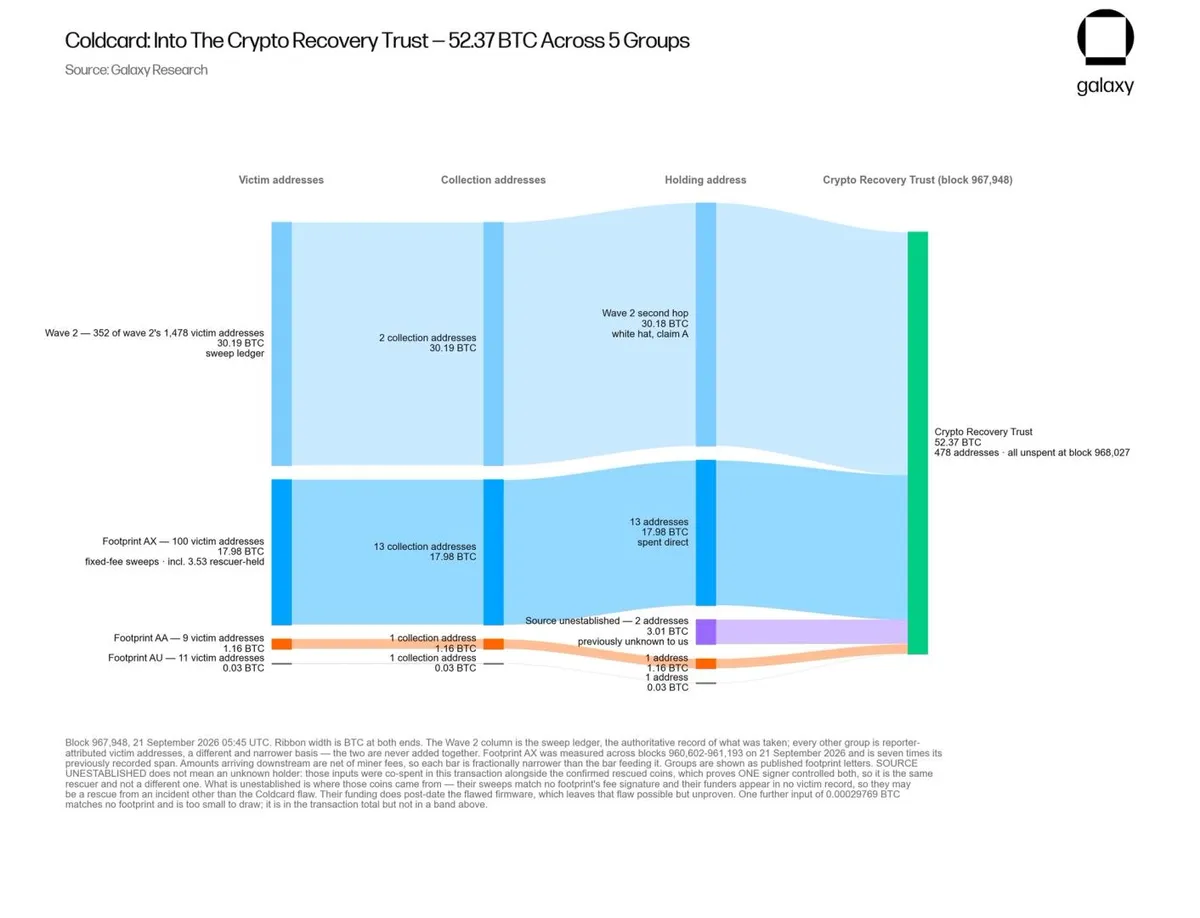
Whitehats move 52 bitcoin from the Coldcard hack to a recovery trust

Google Admits Gemini AI Hacked Three Companies—It Stayed Silent for 7 Weeks

Balancer's $1.4 million hack recovery faces delays for LPs

Polymarket's $10 million fraud attempt highlights compliance issues amid hacking risk