Hackers mint trillions in fake Bitcoin, but 15 BTC bridge recovery leaves liquidity providers unpaid
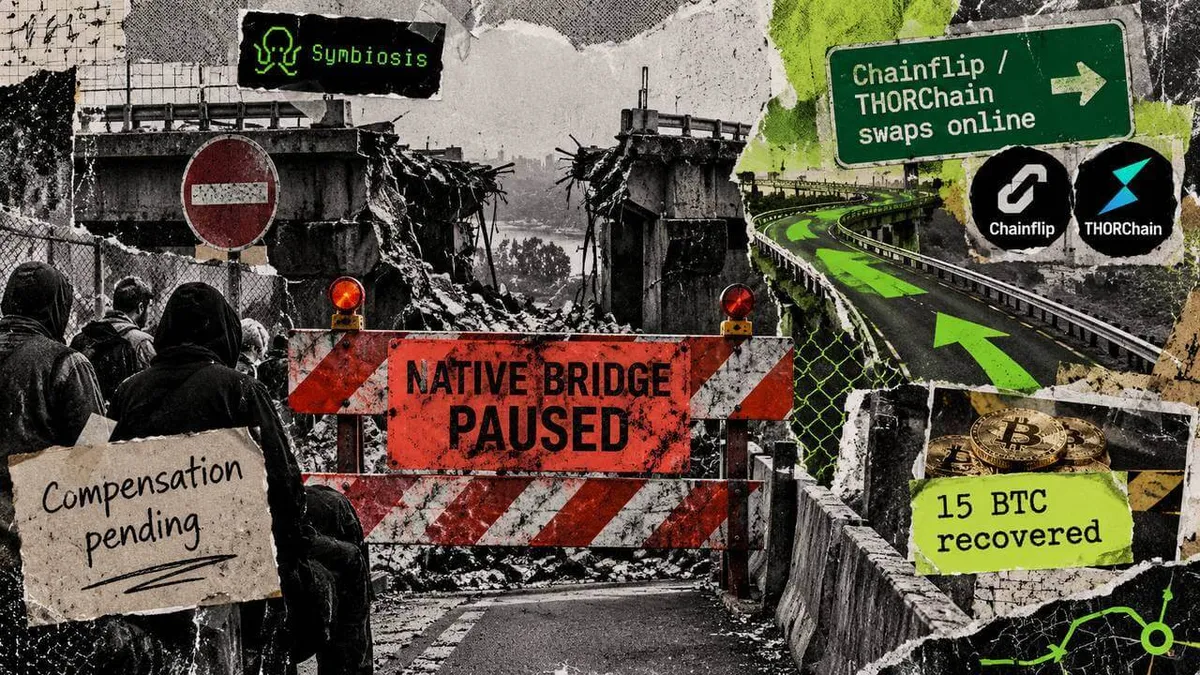
Recent reports have surfaced detailing how hackers managed to mint trillions of fake Bitcoin, leading to significant turmoil within the crypto community. This unprecedented event has raised serious concerns, particularly as liquidity providers remain unpaid despite the recovery of 15 BTC from the compromised bridge. The native bridge, which facilitates the exchange of assets, has been paused during this ongoing crisis, leaving many users in a state of uncertainty as they await a resolution.
The background of this incident reveals a troubling trend of security vulnerabilities within decentralized finance (DeFi) platforms. As the popularity of cryptocurrency increases, so too does the attention from malicious actors seeking to exploit weaknesses. The bridge in question has been a crucial component for liquidity providers, allowing for smooth transactions across different blockchain networks. However, this vulnerability has now put users at risk, resulting in a pause on operations while authorities conduct a thorough investigation.
The implications of this incident for the broader market are significant. The minting of fake Bitcoin not only undermines trust in the security of blockchain technologies but also creates a ripple effect that could lead to decreased liquidity and increased volatility. As users become more wary of participating in DeFi platforms, the overall growth of the sector could be stunted, impacting various projects and their associated tokens. This situation highlights the essential need for improved security measures and protocols in the DeFi space to protect users and their investments.
Industry reactions have varied, with some experts emphasizing the need for enhanced security audits and better governance within DeFi protocols. Others have pointed out that this incident could serve as a wake-up call for developers and investors alike, prompting an urgent reassessment of risk management strategies. The response from the community will likely shape how similar vulnerabilities are addressed in the future, as stakeholders push for more robust systems to prevent such occurrences.
Looking ahead, the conclusion of the 20% bounty window on September 13 may provide additional clarity on the situation. While the final accounting continues, stakeholders are eager to see how the recovery efforts will unfold and whether any further measures will be implemented to compensate affected liquidity providers. The outcome of this incident could have lasting effects on trust and participation in the DeFi ecosystem.

CoinMagnetic Team
Crypto investors since 2017. We trade with our own money and test every exchange ourselves.
Updated: September 2026
From our insights:
Related news

Shipping labels expose Bitcoin wallet users' identities during purchase
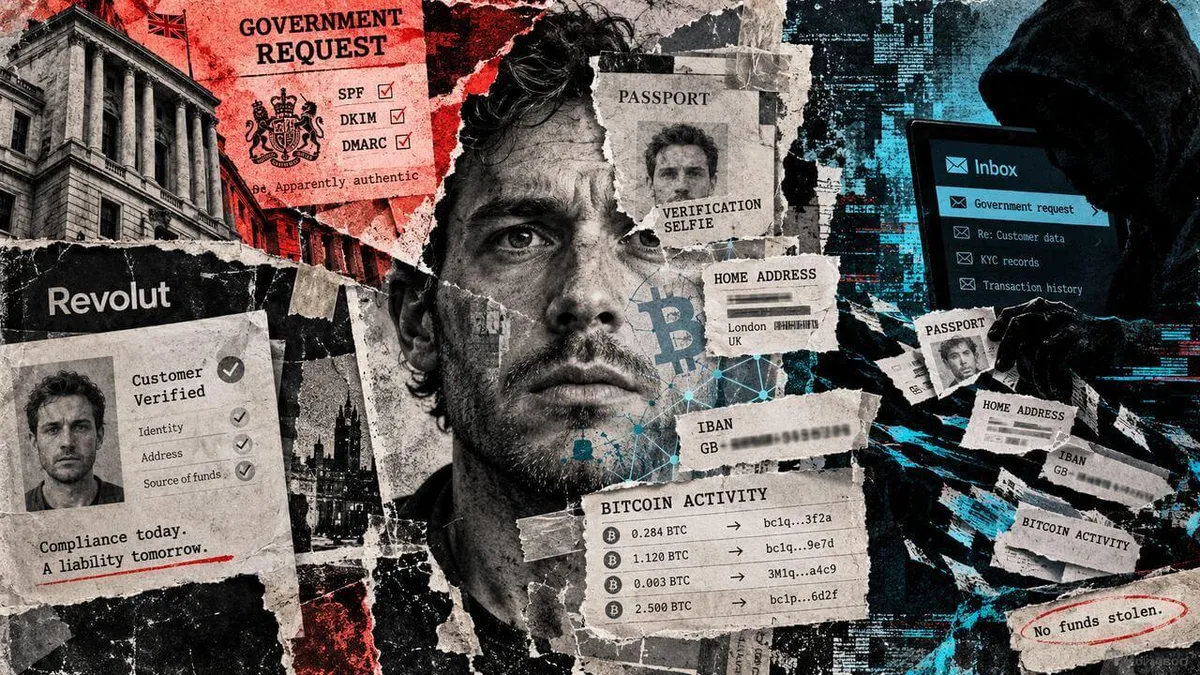
Revolut discloses sensitive customer data after falling for fake government request

Liquid Network restarts block production following $320 million exploit
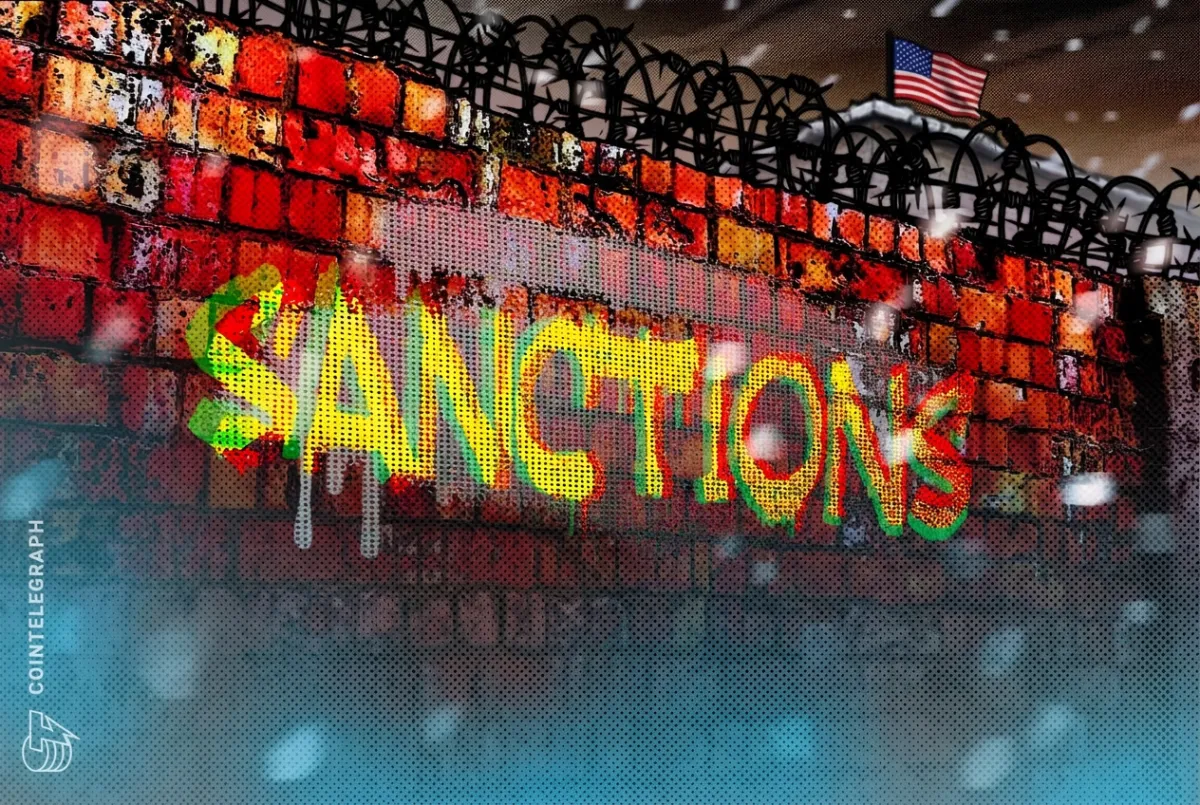
US targets Xinbi scam marketplace, seizing $52 million in cryptocurrency
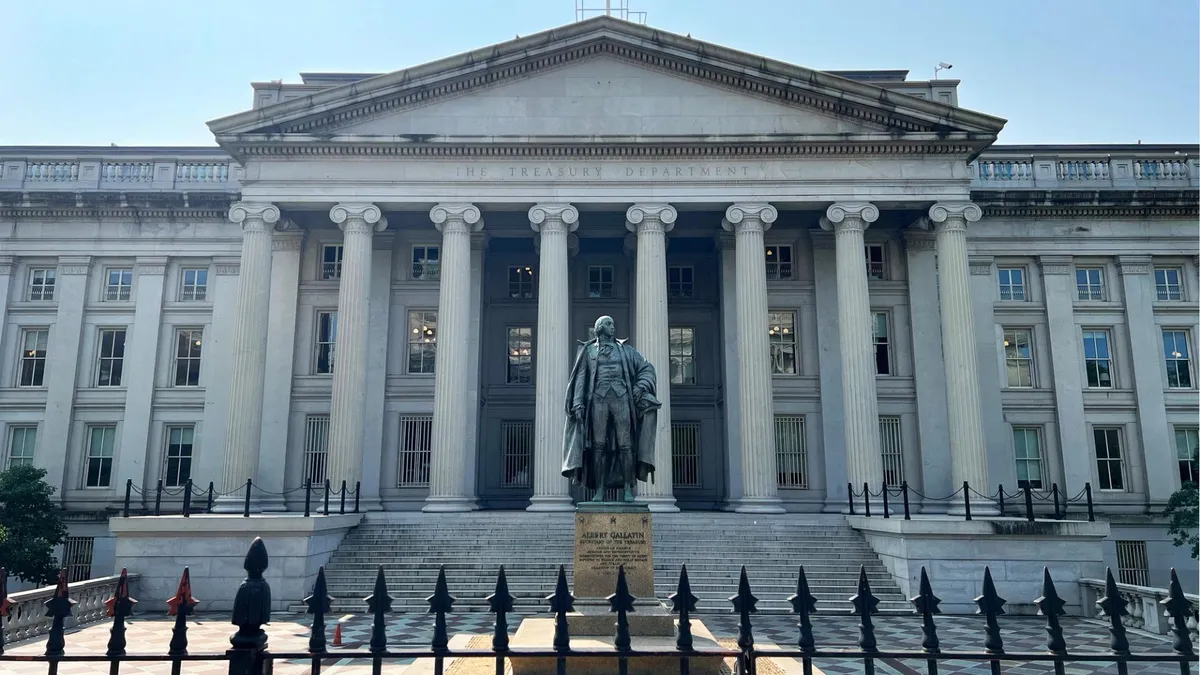
Xinbi Guarantee targeted by U.S. Treasury for facilitating crypto scams