Hackers Insert Malware Into Mistral AI Software Download
Recent reports from Microsoft Threat Intelligence have revealed a concerning cybersecurity breach involving the insertion of malware into a Mistral AI software download. This malicious code was embedded within a package distributed through the Python Package Index (PyPI), a popular repository for Python programming libraries. Users who downloaded this compromised software unknowingly exposed their systems to potential threats, raising significant alarms about the safety of open-source software distribution and the security of third-party packages.
Mistral AI, a company known for its contributions to the development of artificial intelligence technologies, has become an attractive target for hackers due to its increasing prominence in the tech landscape. The breach highlights a growing trend in cyberattacks aimed at exploiting the trust users place in widely used software repositories. As developers increasingly rely on open-source solutions to accelerate innovation, the risks associated with downloading software from these platforms have escalated, prompting a re-evaluation of security protocols within the community.
This incident carries weighty implications for the broader market, particularly within the AI and software development sectors. As organizations leverage AI solutions to enhance their operations, concerns about software integrity and security could stifle adoption rates. The breach may lead companies to reconsider their software vetting processes and potentially shift towards more stringent security measures, which could impact the speed of innovation in the field. Investors and stakeholders will be closely monitoring how this incident influences the market confidence in AI products and open-source software.
Reactions from industry experts have been swift, with many emphasizing the need for enhanced security measures in software distribution. Some cybersecurity analysts have called for increased scrutiny and audits of software repositories and development practices to prevent similar incidents. There is also a push for greater transparency from companies like Mistral AI regarding their security protocols and how they respond to vulnerabilities. As the situation unfolds, it is likely that a collective response from the tech community will emerge, aimed at fortifying defenses against future attacks.
Looking ahead, the impact of this breach may prompt a shift in how software developers and companies approach security. We may see an uptick in the adoption of security-focused software practices, such as implementing automated scanning tools and conducting regular audits of third-party libraries. Additionally, there could be a greater emphasis on user education regarding the risks associated with software downloads. The situation underscores the need for ongoing vigilance in a rapidly evolving digital landscape, where the intersection of AI and cybersecurity continues to present both opportunities and challenges.

CoinMagnetic Team
Crypto investors since 2017. We trade with our own money and test every exchange ourselves.
Updated: May 2026
From our insights:
Related news

Coldcard exploit sees white hats secure 52 Bitcoin for victims' trust
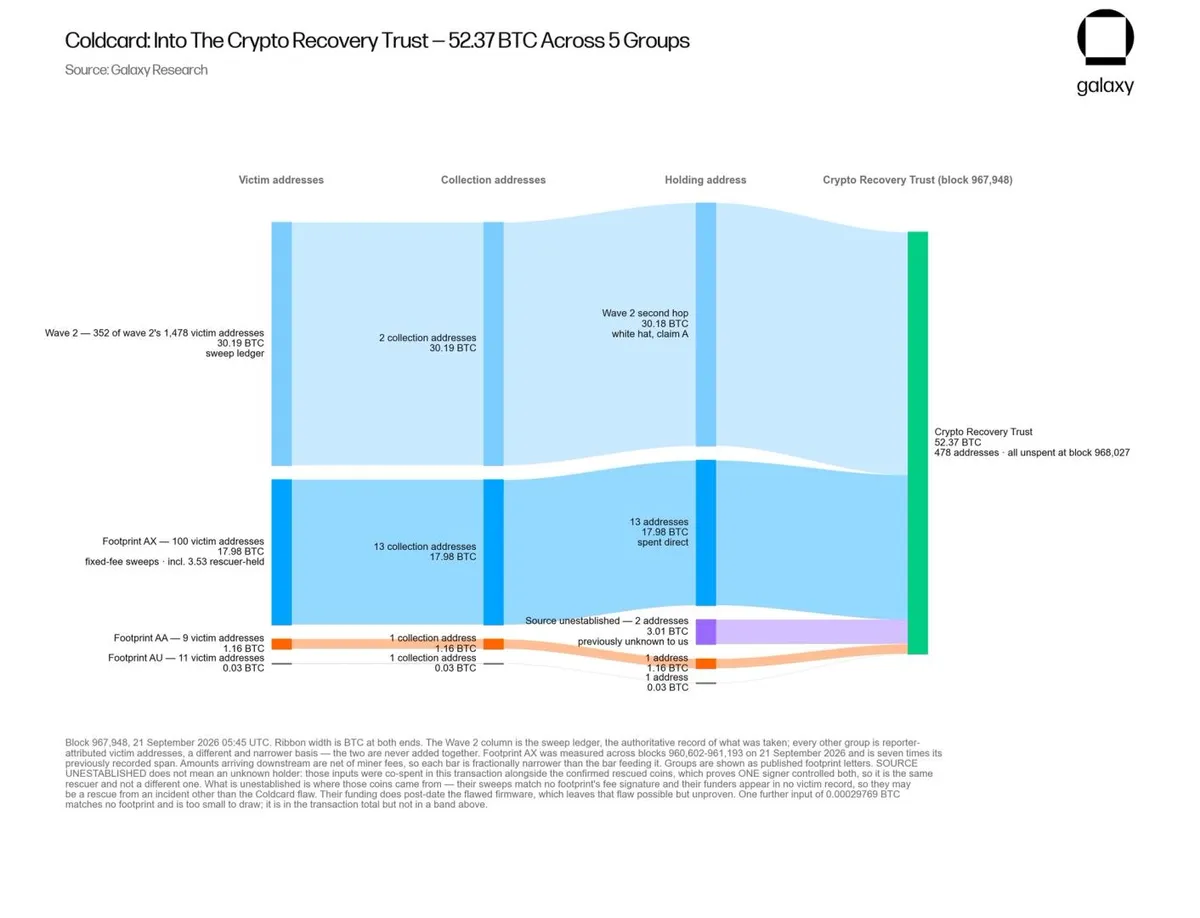
Whitehats move 52 bitcoin from the Coldcard hack to a recovery trust
Google Admits Gemini AI Hacked Three Companies—It Stayed Silent for 7 Weeks

Balancer's $1.4 million hack recovery faces delays for LPs

Polymarket's $10 million fraud attempt highlights compliance issues amid hacking risk