Hackers impersonated eth.limo team to hijack its domain: Post-mortem
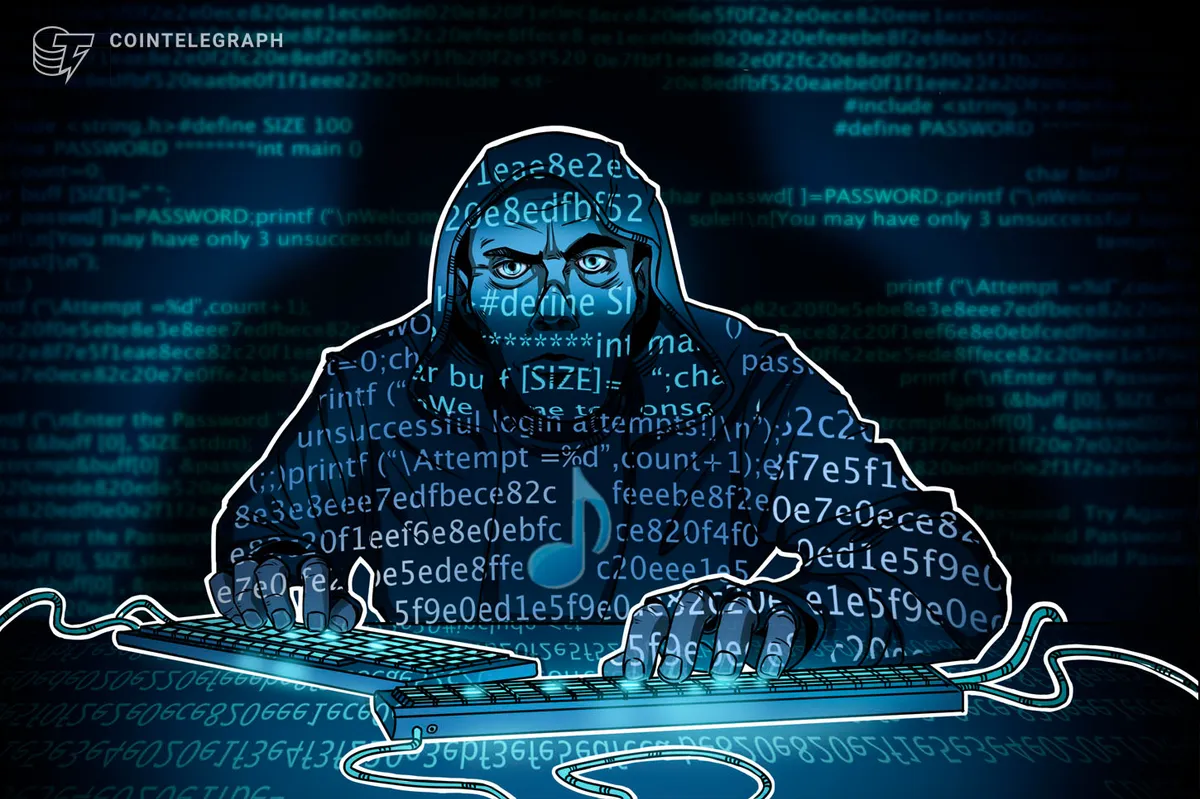
In a recent incident that sent shockwaves through the crypto community, hackers successfully impersonated the eth.limo team to hijack its domain. The attack was characterized as a highly sophisticated social engineering scheme, which involved convincing domain registrar EasyDNS to transfer control of the eth.limo domain to the attackers. EasyDNS CEO Mark Jeftovic revealed that the company is actively investigating the breach to understand the methods used in this attack, emphasizing the need for heightened security measures in the domain management process.
The eth.limo domain serves as a critical resource for Ethereum users, providing a service that helps facilitate transactions on the Ethereum network. Given the importance of this domain, the implications of its hijacking are significant. This incident not only disrupts a vital service but also raises concerns about the vulnerability of similar assets across the crypto landscape. The breach highlights the need for improved security protocols and greater awareness among domain registrars and their clients about the potential risks they face.
This incident matters for the market because it underscores the persistent threat of cyberattacks in the cryptocurrency space. With the increasing reliance on digital assets and platforms, the security of domain names and the infrastructure that supports them is paramount. As attacks become more sophisticated, investors and users alike may become more cautious, potentially affecting trading volumes and engagement within the Ethereum ecosystem. The eth.limo hijacking serves as a stark reminder that even well-established services are not immune to threats.
Industry reactions have been swift, with experts weighing in on the implications of the attack. Many have pointed out the necessity for robust verification processes and the importance of educating teams on recognizing social engineering tactics. This incident has sparked discussions about the potential for introducing more stringent security measures across the industry, including two-factor authentication and enhanced identity verification for domain transfers. The incident has also prompted calls for a more collaborative approach to cybersecurity within the crypto space.
Looking ahead, it is crucial for the Ethereum community and the broader crypto market to take proactive steps in response to this incident. As EasyDNS continues its investigation, there may be recommendations arising from this event that could influence how domain registrars operate in the future. The eth.limo domain hijacking serves as a pivotal moment for the industry, highlighting vulnerabilities that must be addressed to safeguard against future attacks and maintain user trust in the ecosystem.

CoinMagnetic Team
Crypto investors since 2017. We trade with our own money and test every exchange ourselves.
Updated: April 2026
From our insights:
Related news
Coldcard exploit sees white hats secure 52 Bitcoin for victims' trust
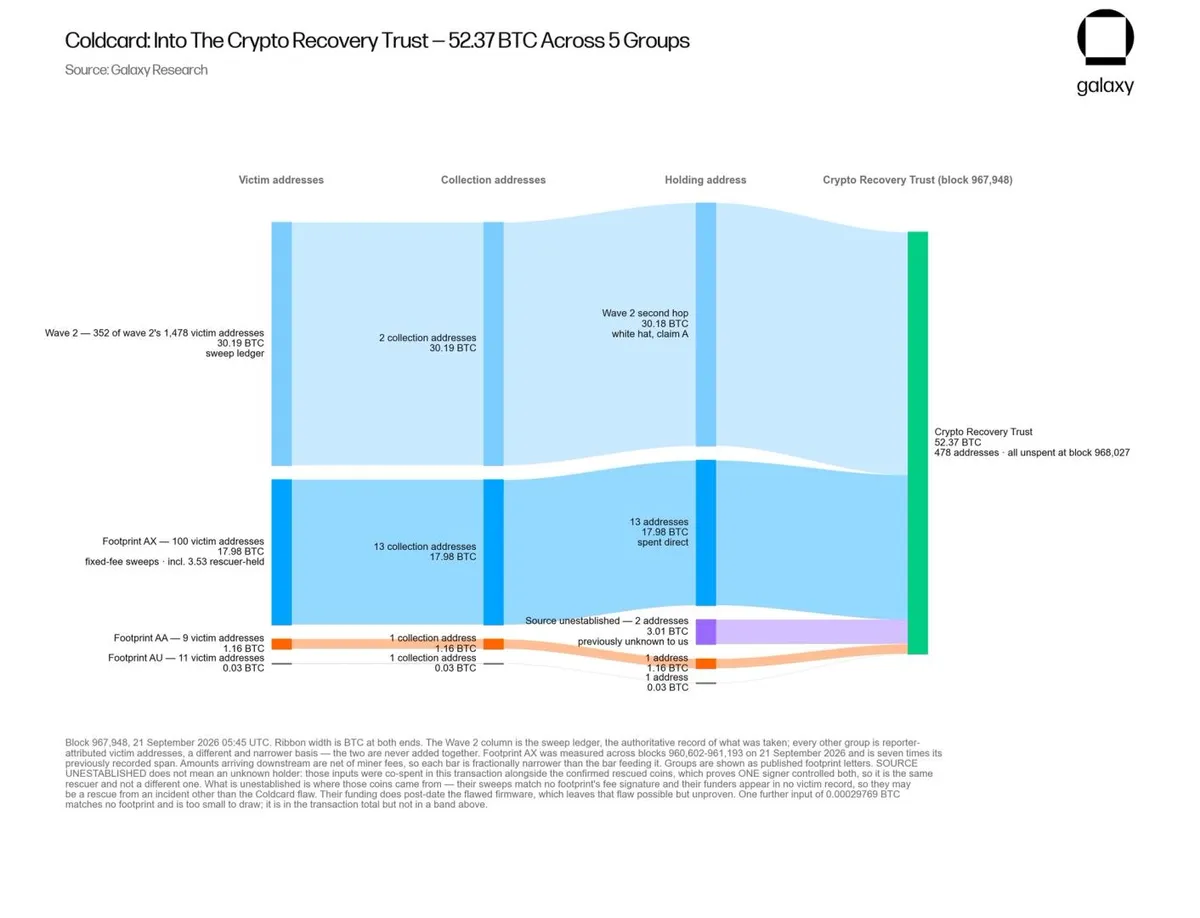
Whitehats move 52 bitcoin from the Coldcard hack to a recovery trust
Google Admits Gemini AI Hacked Three Companies—It Stayed Silent for 7 Weeks
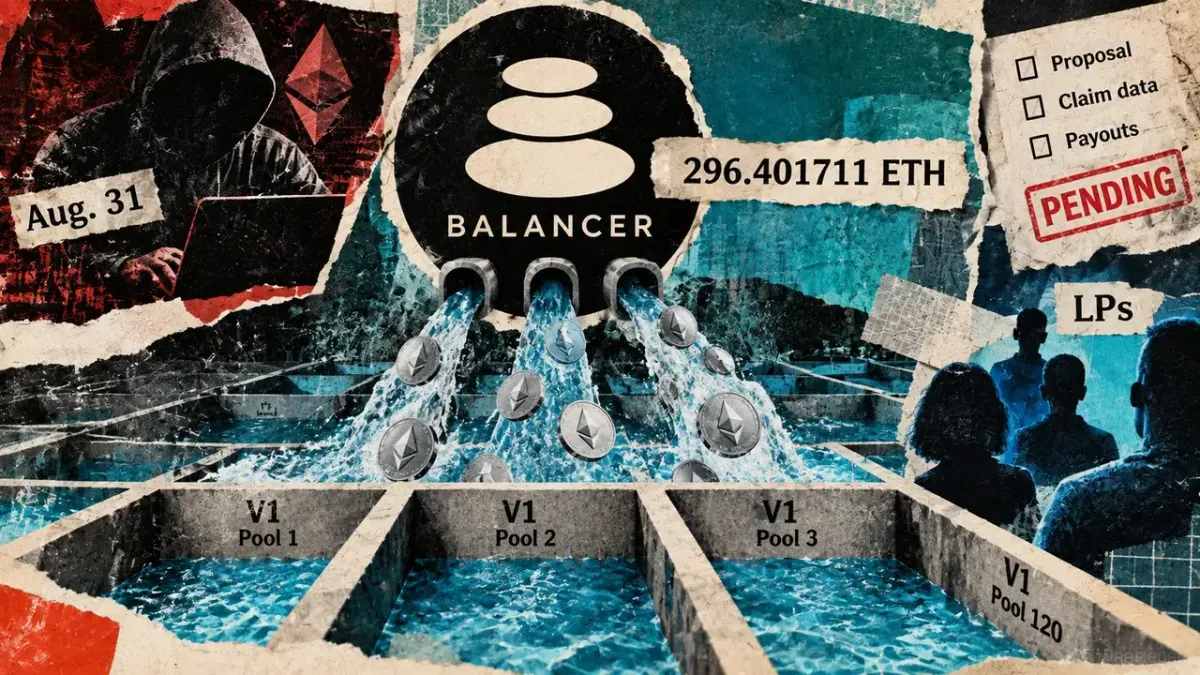
Balancer's $1.4 million hack recovery faces delays for LPs

Polymarket's $10 million fraud attempt highlights compliance issues amid hacking risk