iOS 16 runs on Xiaomi and Nothing hardware in hobbyist breakthrough
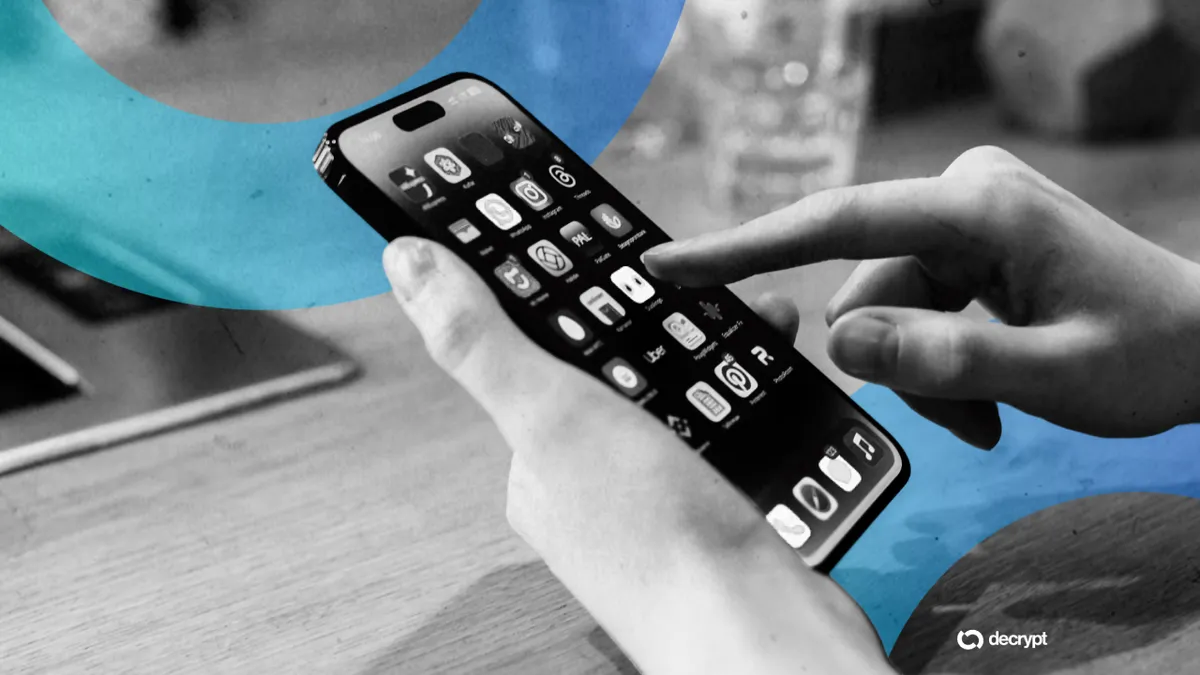
For the first time, independent hobbyists have successfully booted Apple's iOS 16 operating system on non-Apple hardware, specifically targeting Android smartphones manufactured by Xiaomi and Nothing. While the current state of this software port is extremely unstable and barely functional, the video proof circulating online demonstrates a technical milestone that many previously considered impossible. Running a proprietary operating system designed strictly for tightly integrated Apple components on third-party ARM architecture showcases an extraordinary level of reverse engineering and persistence from the developer community.
Historically, Apple has maintained strict control over its ecosystem by welding its software experiences directly to its custom silicon and hardware components. This tight integration has long served as a primary moat for the company, ensuring security, performance optimization, and brand loyalty. Android devices, by contrast, rely on an open-source operating system framework that allows for varying degrees of modification, bootloader unlocking, and custom ROM installations. Bridging these two fundamentally opposed technological philosophies represents a massive shift in how enthusiasts interact with mobile hardware.
While this development currently exists as a proof-of-concept rather than a viable daily driver for smartphone users, it carries intriguing implications for the broader tech and crypto hardware landscape. As decentralized applications, mobile-first crypto wallets, and secure enclaves become increasingly vital for digital asset holders, the boundaries of device security are constantly being tested. When proprietary operating systems can be forced onto alternate hardware, it invites fresh conversations regarding hardware versatility, open-source auditing, and the absolute control manufacturers hold over the devices consumers legally own.
Reactions across the technology sector have ranged from fascination to skepticism, with engineers noting the immense hurdles required to achieve even basic functionality. Because iOS relies heavily on specific proprietary drivers for cameras, cellular modems, and touchscreens, hackers are forced to write compatibility layers from scratch. Security researchers are watching closely to see whether this breakthrough will lead to deeper vulnerabilities in Apple's ecosystem or if it remains merely an impressive party trick by talented programmers.
As the hobbyist community continues to tinker with these unauthorized ports, the primary question is whether performance can be stabilized beyond a basic boot screen. Future updates from these developers may reveal whether hardware-level virtualization of iOS on Android is scalable or if architectural differences will ultimately prove insurmountable. Either way, this milestone shatters long-held assumptions about the permanence of software exclusivity in modern mobile computing.

CoinMagnetic Team
Crypto investors since 2017. We trade with our own money and test every exchange ourselves.
Updated: October 2026
From our insights:
Related news

Hacken reveals $1.18 billion lost in Q3 hacks as audited protocols still fail
Untethered jailbreak on iPhone 18 Pro survives reboot at Hexacon event

Chainalysis reveals how a task scam operator lost $4.8 million in tampered bitcoin

Scammer gets scammed in Ledger spy-chip exploit, loses almost $5 million in bitcoin

Hacken data shows Bitget and Liquid exploits drive Q3 crypto losses near $1.2B