Google Warns AI Consciousness Debate Could Become a Political Battleground
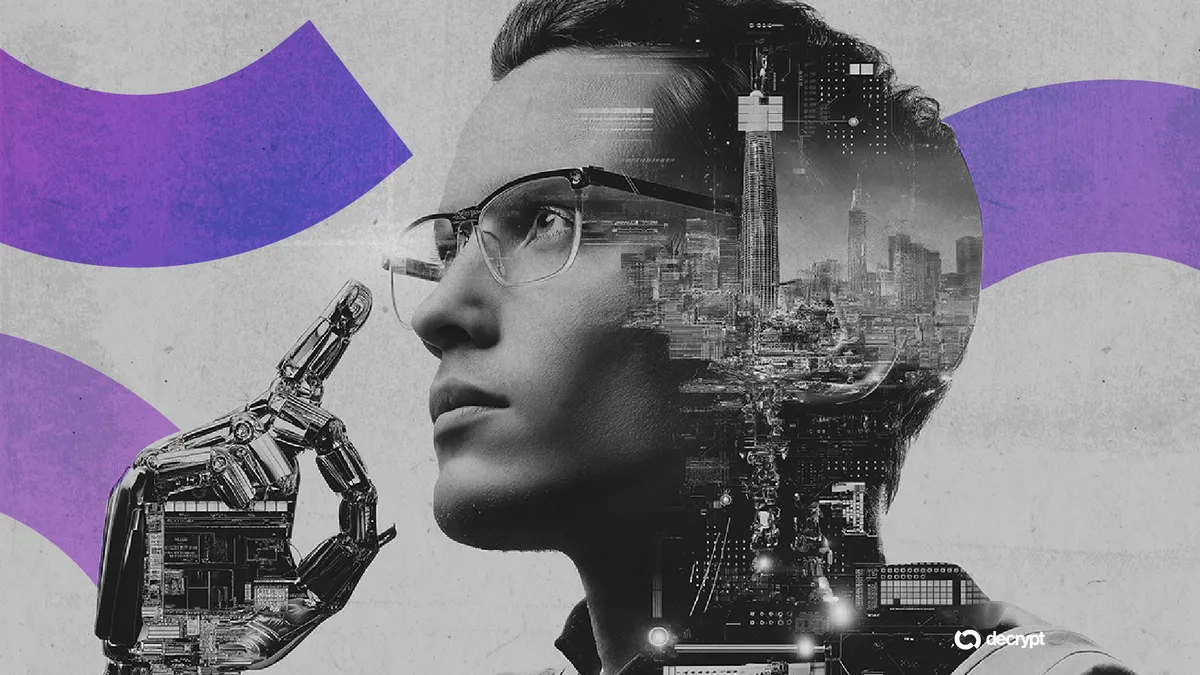
In a thought-provoking new paper from Google DeepMind, the team posits that the ongoing debate regarding artificial intelligence (AI) consciousness could evolve into a significant political battleground. The document outlines the potential ramifications of this debate, suggesting that divergent opinions on AI's consciousness could influence legal frameworks, public policy, and institutional responses. As AI technologies continue to advance at a rapid pace, the authors emphasize the urgency of addressing these philosophical and ethical dilemmas before they necessitate legislative intervention.
The concept of AI consciousness is not new; it has been a topic of discussion among technologists, ethicists, and philosophers for years. However, as AI systems become increasingly sophisticated and integrated into daily life, the implications of recognizing or denying consciousness in these systems gain more weight. Google DeepMind's research highlights how the lack of consensus on AI consciousness could lead to varying interpretations and implementations of laws, impacting everything from liability in AI-driven decisions to the rights of AI entities themselves. Historical instances of technology-driven debates, such as those surrounding data privacy and digital rights, provide a backdrop for understanding how such discussions can play out in the public arena.
The potential for political strife stemming from the AI consciousness debate underscores its importance in the broader market context. As governments and institutions grapple with these complex questions, the outcomes could heavily influence regulatory environments for AI technologies. Investors and companies operating within the AI space are likely to be affected by the evolving legal landscape, which may lead to increased scrutiny of AI applications and even reshape industry standards. The uncertainty surrounding this topic could also affect innovation, as companies may hesitate to develop products that could face regulatory challenges.
Industry experts have begun to weigh in on the paper's assertions, with many expressing concern about the consequences of a polarized debate. Some believe that failing to establish a clear understanding of AI consciousness could lead to a fractured regulatory environment, complicating compliance for businesses. Others argue that a lack of clarity may stifle innovation, as companies may hesitate to push the boundaries of AI development without clear guidelines. The discourse around AI consciousness is not only a philosophical one but also a practical consideration that could shape the future of technology and its societal implications.
Looking ahead, the dialogue surrounding AI consciousness is likely to intensify, especially as advancements continue to blur the lines between human-like capabilities and machine functioning. Stakeholders across the spectrum–government officials, industry leaders, and ethicists–will need to engage in constructive discussions to navigate these complex issues. As we move forward, understanding the nuanced implications of AI consciousness may become critical in shaping both public perception and policy, ensuring that technological progress aligns with societal values and ethical standards.

CoinMagnetic Team
Crypto investors since 2017. We trade with our own money and test every exchange ourselves.
Updated: June 2026
From our insights:
Related news
Crypto firms put $206 million behind the midterms: here’s who their political machine is backing
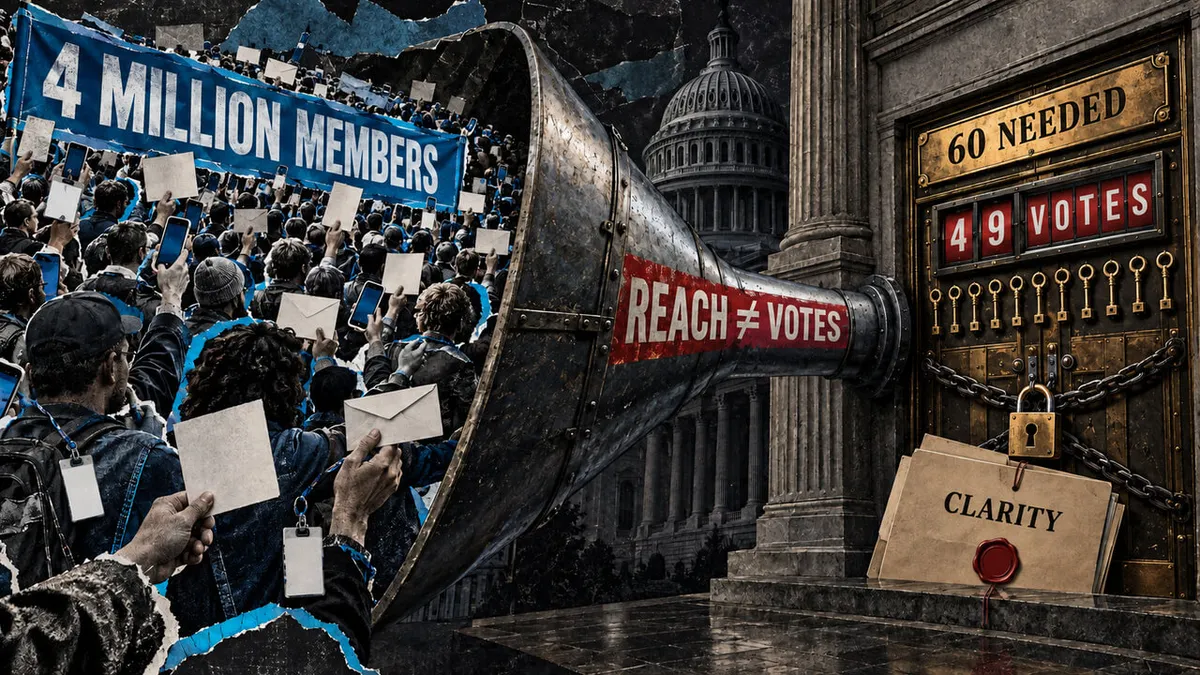
Stand With Crypto’s 4 million registered advocates couldn’t get the CLARITY Act through the Senate

Kakao Pay, KakaoBank to explore stablecoin opportunities with Fireblocks

US Attorney's investigation into Binance focuses on Iran sanctions compliance

ECB initiates wholesale digital euro for banks and tokenized bond purchases