Google Launches Gemini Spark: A 24/7 AI Agent That Wants to Make You Ditch OpenClaw
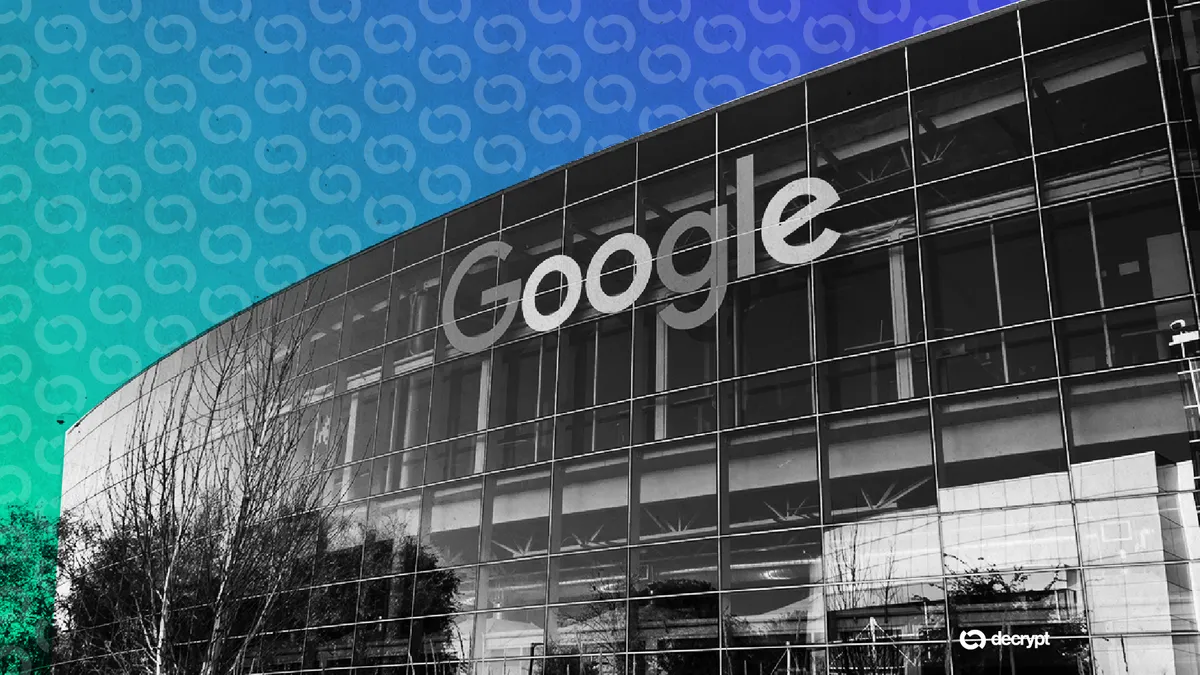
Google has recently unveiled Gemini Spark, a groundbreaking AI agent designed to revolutionize the way users interact with their digital environments. Announced at the Google I/O 2026 event, Spark aims to streamline daily tasks by managing users' inboxes, calendars, and workflows autonomously. This ambitious feature is not just about automation; it emphasizes a seamless integration that allows users to engage with their digital lives without the constant need for oversight. Google envisions Spark as a personal assistant that learns from user behavior and preferences, gradually evolving its management style to suit individual needs.
The introduction of Gemini Spark comes at a time when the demand for advanced AI-driven solutions is rapidly increasing. As remote work and digital communication have become the norm, users are seeking tools that enhance productivity while reducing the cognitive load associated with managing their online tasks. Google's Gemini initiative has been in development for some time, with Spark representing a significant leap forward in AI capabilities. By positioning itself as a direct competitor to existing solutions like OpenClaw, Google is making a bold statement about its commitment to leading the AI space.
The implications of Gemini Spark for the market are substantial. By offering a sophisticated AI that can handle multiple tasks concurrently, Google is poised to reshape user expectations regarding digital assistants. This could lead to increased competition among tech giants, prompting them to innovate and refine their own AI offerings. As users become more accustomed to the capabilities of AI agents like Spark, there may be a shift in how they prioritize and engage with technology, with a growing preference for tools that enhance efficiency and personal productivity.
Industry reactions to the announcement have been mixed, with some experts expressing enthusiasm about the potential of Spark to transform day-to-day operations. Tech analysts have noted that while Google's entry into the AI agent space may challenge existing players, it also raises questions about privacy and data security. As these sophisticated AI systems require access to sensitive information to function effectively, concerns regarding data protection and user trust will likely be at the forefront of discussions moving forward. Moreover, some industry veterans caution that while the technology is impressive, its success will ultimately depend on user adoption and the ability to deliver on its promises.
Looking ahead, the rollout of Gemini Spark is anticipated to trigger further innovations in AI technology, as developers and companies seek to keep pace with Google’s advancements. As the feature becomes available to a wider audience, feedback and user experiences will be crucial in shaping its future iterations. If Spark can successfully integrate into users' lives and demonstrate tangible benefits, it could pave the way for a new era of AI-driven productivity tools that fundamentally alter how we manage our digital tasks.

CoinMagnetic Team
Crypto investors since 2017. We trade with our own money and test every exchange ourselves.
Updated: May 2026
From our insights:
Related news

Stand With Crypto’s 4 million registered advocates couldn’t get the CLARITY Act through the Senate

Kakao Pay, KakaoBank to explore stablecoin opportunities with Fireblocks

US Attorney's investigation into Binance focuses on Iran sanctions compliance

ECB initiates wholesale digital euro for banks and tokenized bond purchases

X files lawsuit against two influencers over $278,000 payout scheme