Google engineer insider-traded search results on Polymarket, Feds allege
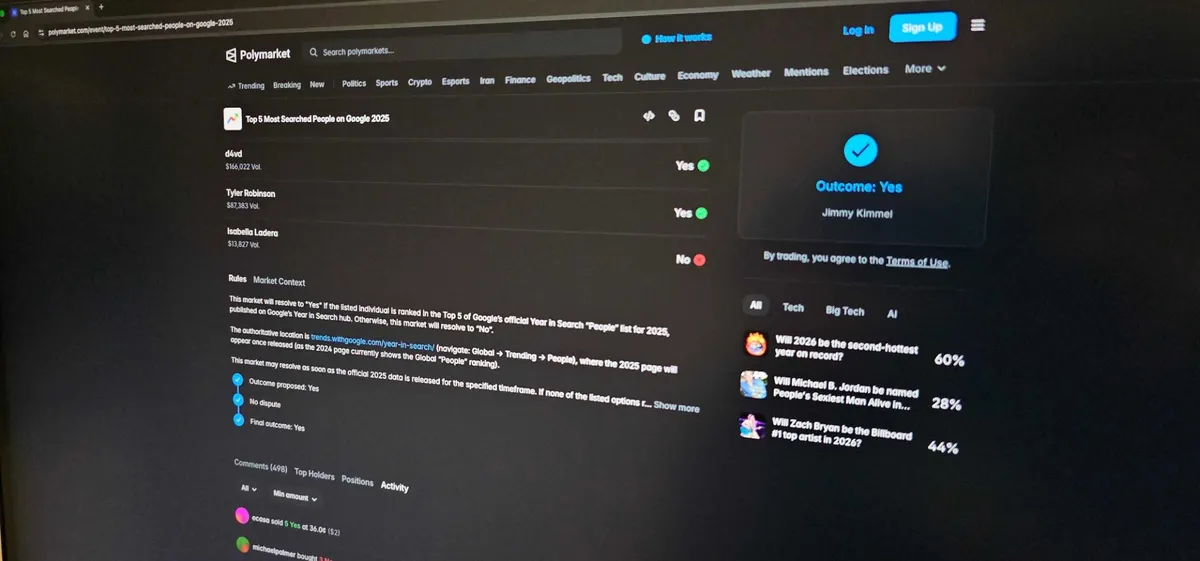
A recent report has surfaced detailing allegations against a Google engineer who is accused of insider trading based on confidential search result information on the prediction market Polymarket. The Federal Bureau of Investigation (FBI) has charged the engineer, claiming he acted on privileged information to place bets on the outcome of various Google-related queries. This incident marks a significant escalation in the scrutiny of prediction markets, particularly as this is the second major arrest linked to insider trading activities in this niche sector, raising questions about regulatory oversight and the integrity of market operations.
To understand the implications of this case, it's essential to consider the evolution of prediction markets and their legal landscape. Prediction markets, platforms where users can trade based on the outcome of future events, have emerged as an interesting intersection between finance and technology. However, they exist in a gray area of regulation, often not fitting neatly into existing financial frameworks. The rise of insider trading cases, such as this one, highlights potential vulnerabilities in how these markets are operated and monitored, prompting a call for clearer regulations to ensure fair play.
The significance of this case extends beyond just the individuals involved. It may signal a shift in how regulatory bodies view prediction markets and their participants. As insider trading is a serious offense within traditional financial markets, the implications of such actions on prediction platforms could lead to increased scrutiny from regulators. This could result in tighter controls and potentially a reevaluation of how these platforms are structured, which might impact liquidity, user participation, and the overall market landscape.
Industry reactions to the news have been mixed, with some experts expressing concern over the potential for a chilling effect on innovation within the prediction market space. Others, however, see this as a necessary step toward legitimizing these platforms and ensuring that they operate fairly. Prominent figures in the crypto and prediction market industries have emphasized the need for clearer guidelines and robust mechanisms to prevent similar incidents in the future. They argue that establishing a more transparent operational framework could bolster public trust and help in fostering a healthier market environment.
Looking ahead, it is likely that we will see increased regulatory attention on prediction markets as a result of this case. Stakeholders in the industry may need to prepare for potential changes, including stricter compliance requirements and enhanced monitoring capabilities. As the landscape evolves, it will be essential for both operators and users of prediction markets to adapt to these developments while advocating for a balanced approach that fosters innovation without compromising integrity. The outcome of this case may pave the way for a more defined regulatory environment, potentially affecting how prediction markets operate moving forward.

CoinMagnetic Team
Crypto investors since 2017. We trade with our own money and test every exchange ourselves.
Updated: May 2026
From our insights:
Related news

Crypto sector emerges as top donor with $206 million in midterms backing
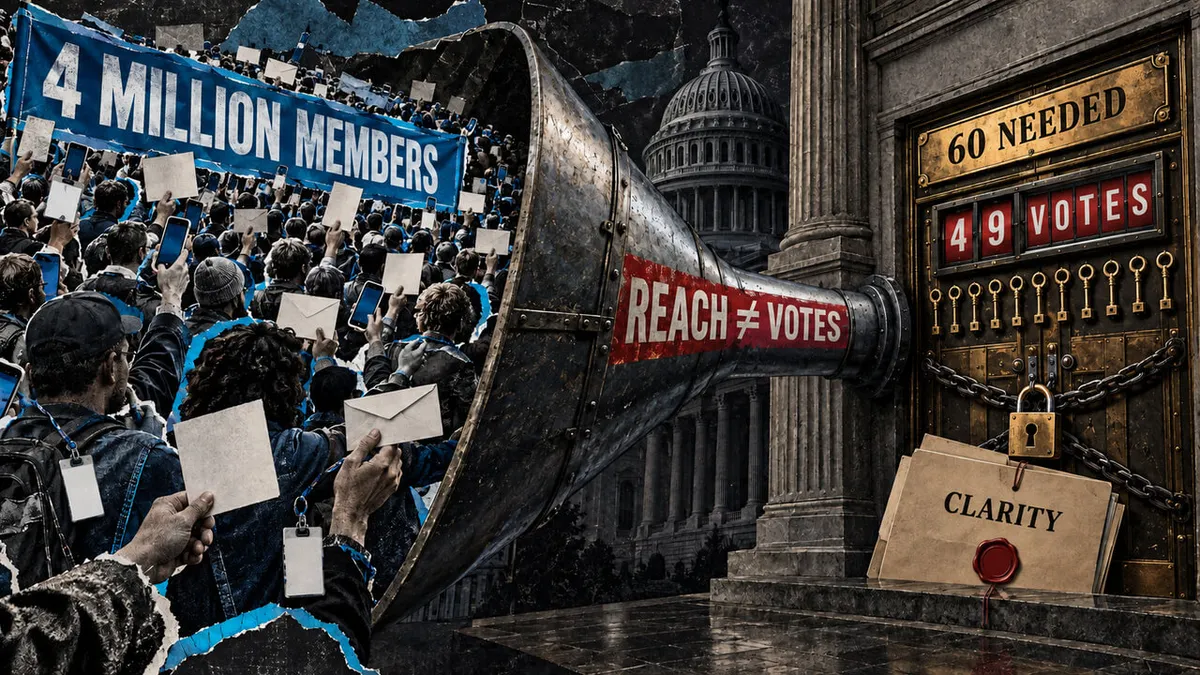
Stand With Crypto’s 4 million registered advocates couldn’t get the CLARITY Act through the Senate

Kakao Pay, KakaoBank to explore stablecoin opportunities with Fireblocks

US Attorney's investigation into Binance focuses on Iran sanctions compliance

ECB initiates wholesale digital euro for banks and tokenized bond purchases