Gold slips below 200-day moving average offering glimmer of hope for bitcoin bulls
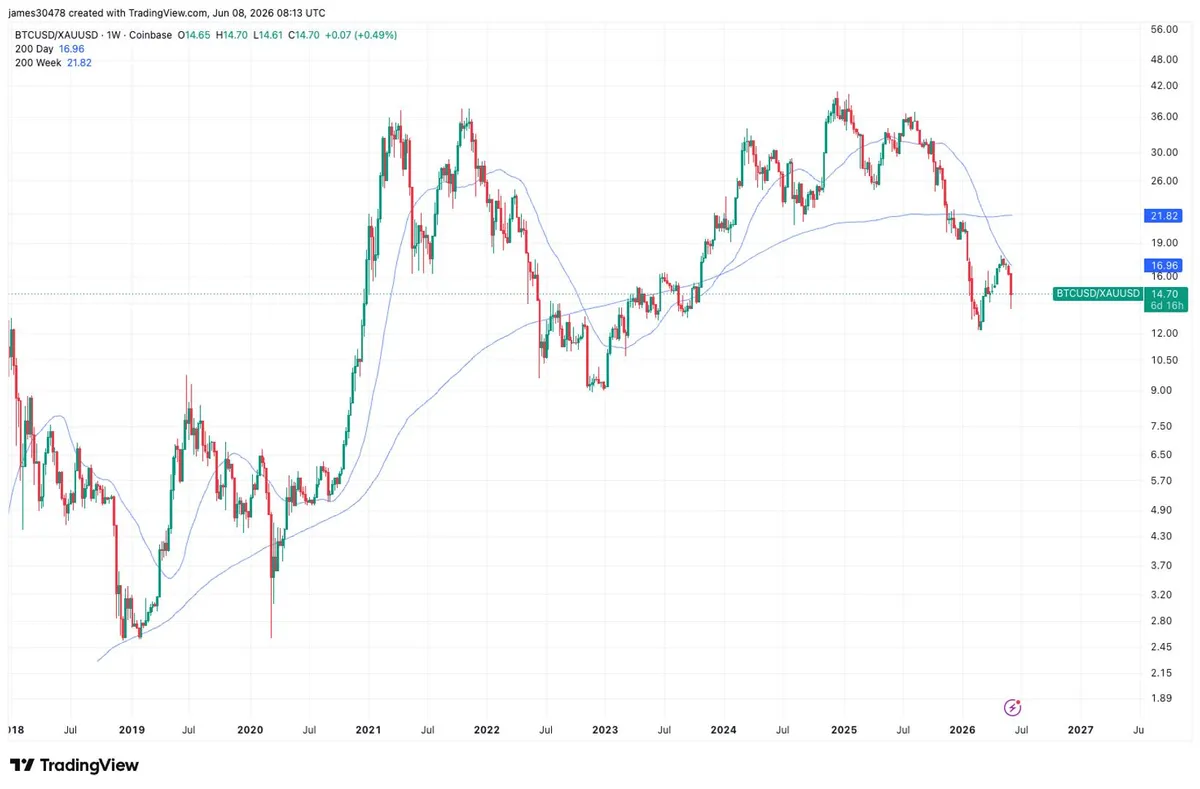
In a notable development in the financial markets, gold has slipped below its 200-day moving average, signaling a potential downturn that could provide some hope for Bitcoin and other cryptocurrencies. The precious metal has entered bear market territory, largely driven by a stronger U.S. dollar and increasing expectations for interest rate hikes. As investors reassess their portfolios amidst changing economic conditions, this shift in gold’s performance could influence the dynamics of the crypto market, particularly for Bitcoin bulls who are looking for any signs of a rebound.
Historically, gold has served as a safe haven asset during times of economic uncertainty, often attracting investors seeking stability. However, the current situation is marked by a stronger dollar, which typically makes gold more expensive for holders of other currencies, thereby reducing demand. Additionally, rising interest rates tend to divert investments away from non-yielding assets like gold, as investors seek higher returns from fixed-income securities. This backdrop sets the stage for Bitcoin to potentially reclaim some of the investor interest that gold has lost.
The implications of gold's performance for the cryptocurrency market are significant. As gold falters, it raises questions about the traditional perception of safe-haven assets. Bitcoin, often dubbed "digital gold," may see renewed interest from investors looking for alternative stores of value amid declining gold prices. The correlation between gold and Bitcoin has been a point of discussion in the investment community, and as one falters, the other’s prospects may improve. If Bitcoin can capitalize on this shift, it might experience upward momentum, which many bullish investors are eager to see.
Industry experts have expressed mixed reactions to this development. Some analysts believe that the decline in gold could signal a shift in market sentiment, where investors turn increasingly to Bitcoin and other cryptocurrencies as viable alternatives. Others remain cautious, noting that while Bitcoin might benefit in the short term, broader economic pressures, including inflation and regulatory scrutiny, could still pose challenges. The sentiment is that the market is at a crossroads, and how investors choose to navigate this landscape will be critical in the coming weeks.
Looking ahead, the situation remains fluid. As we continue to monitor the interplay between traditional assets like gold and digital currencies like Bitcoin, it will be essential to watch economic indicators, especially those related to interest rates and inflation. The market's reaction to these developments will likely shape investment strategies and could determine whether Bitcoin can gain a stronger foothold as a preferred asset in times of uncertainty. The next few weeks will be telling, and we may witness significant shifts in investor sentiment as they respond to these evolving dynamics.

CoinMagnetic Team
Crypto investors since 2017. We trade with our own money and test every exchange ourselves.
Updated: June 2026
From our insights:
Related news
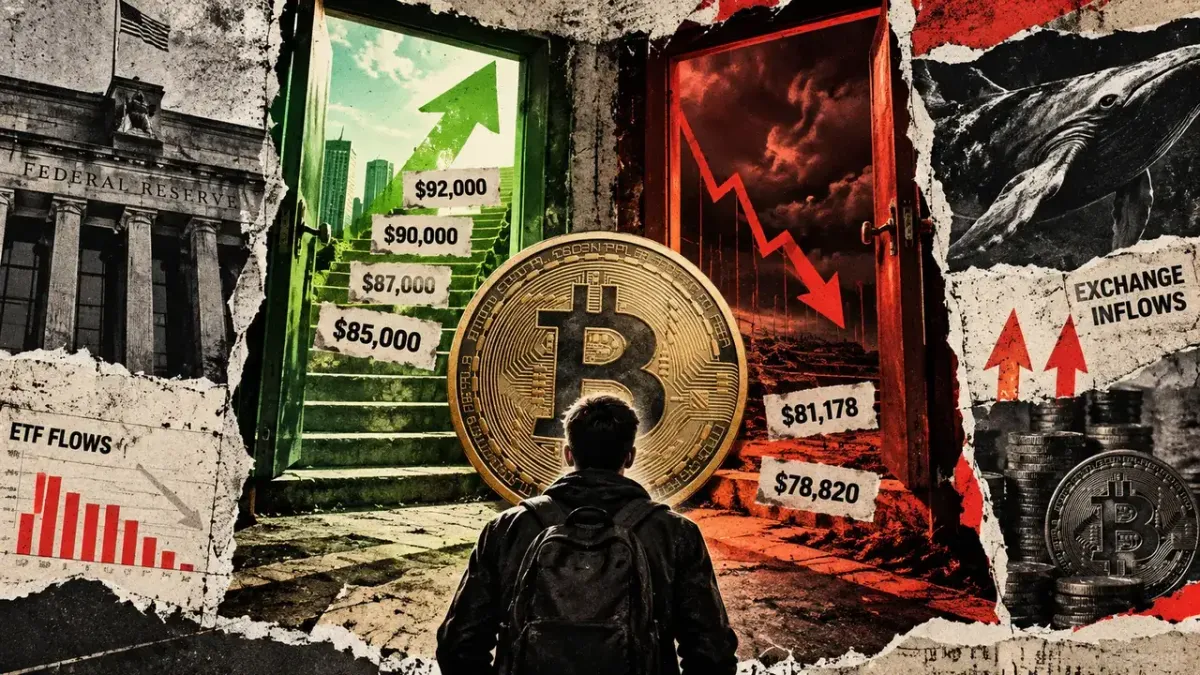
Bitcoin's weekly close above $81,000 signals potential rise to $90,000

Elon Musk's X integrates bitcoin trading options for U.S. users
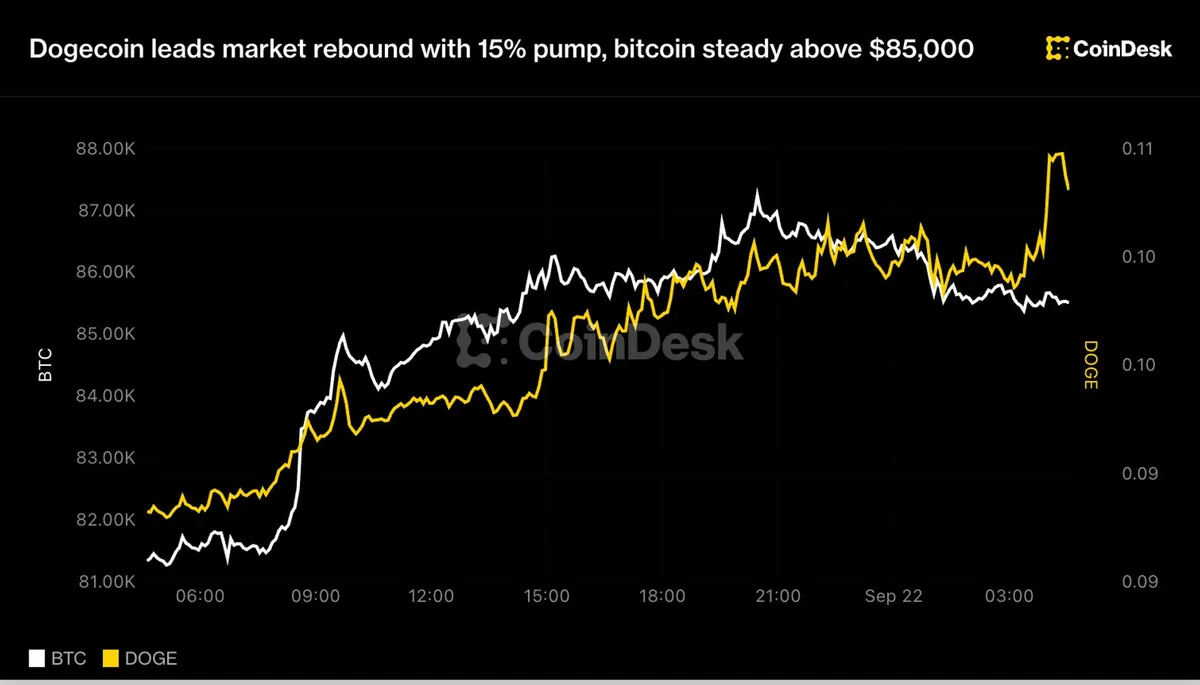
Dogecoin's 15% surge drives market recovery as bitcoin stabilizes above $85,000

Cardano adds tools for AI agent payments, joining Solana and XRP Ledger

Trueo prediction market moves from Base to Ethereum