Financial stability board warns multi-issuer stablecoins complicate crisis response

As the digital asset ecosystem continues to integrate with traditional finance, global regulators are ramping up their oversight of digital currencies. Recently, a prominent international financial watchdog issued a comprehensive call for enhanced cross-border information sharing and coordinated planning to address potential risks stemming from stablecoin crises. The core concern centers on complex structures where coins are jointly issued by multiple corporate entities across different parts of the world, creating vulnerabilities that traditional regulatory frameworks struggle to address.
This regulatory focus builds on years of growing anxiety surrounding the rapid expansion of stablecoins and their potential to disrupt broader financial stability. Historically, financial oversight has remained strictly national, with regulators operating primarily within their own geographic borders. However, the borderless nature of cryptocurrencies means that a shock or run on a stablecoin in one jurisdiction can instantly propagate globally, catching local authorities off guard and exposing gaps in international regulatory cooperation.
The implications of this push for cross-border coordination are significant for both issuers and the wider crypto market. When coins are jointly issued by multiple companies, reserve assets can easily become trapped in one jurisdiction while heavy redemption demands simultaneously hit another. This jurisdictional mismatch complicates crisis management and heightens the risk of sudden liquidity crunches, making it clear that fragmented supervision is no longer viable in a globally interconnected financial system.
Industry participants and legal experts have been closely monitoring these developments, noting that tighter oversight could reshape how stablecoin arrangements are structured. While many stakeholders acknowledge the necessity of robust risk management to protect consumers and maintain market integrity, compliance costs are expected to rise. Issuers will likely need to establish clearer operational linkages and legal agreements across borders to satisfy the stringent demands set by international standard-setters.
Looking ahead, the pressure on regulatory bodies and market participants alike will be to translate these high-level recommendations into practical, enforceable frameworks. As authorities refine their playbooks for potential stablecoin distress, the industry must prepare for a shift toward more transparent and internationally harmonized supervision. How issuers adapt to these evolving expectations will likely define the next phase of stablecoin integration into the global economy.

CoinMagnetic Team
Crypto investors since 2017. We trade with our own money and test every exchange ourselves.
Updated: October 2026
From our insights:
Related news

Strategy lifts bitcoin reserves to 848,250 BTC with a fresh 250 coin acquisition

Ledger traces $93 million in CryptoBilis cases while freezing $10 million

Australia proposes leverage caps for crypto-settled derivatives
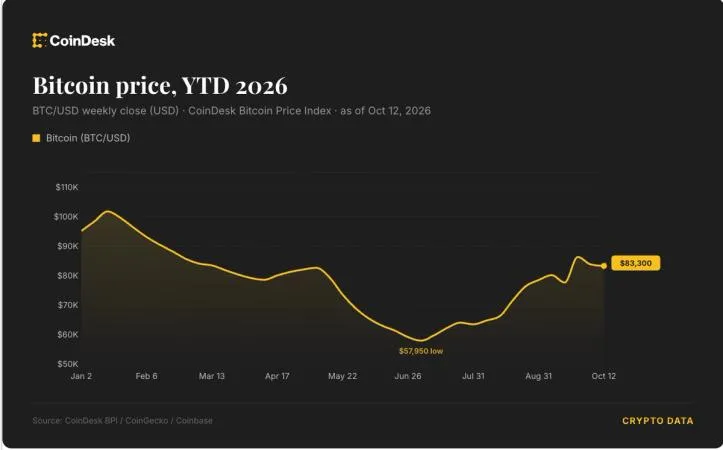
Bitcoin maintains the $83,000 level despite persistent pressure from a strong dollar

Bitcoin holds $82,500 weekly support as markets brace for upcoming US CPI data