U.S. debt nearing $40 trillion drives long-term bond yields to multi-decade highs
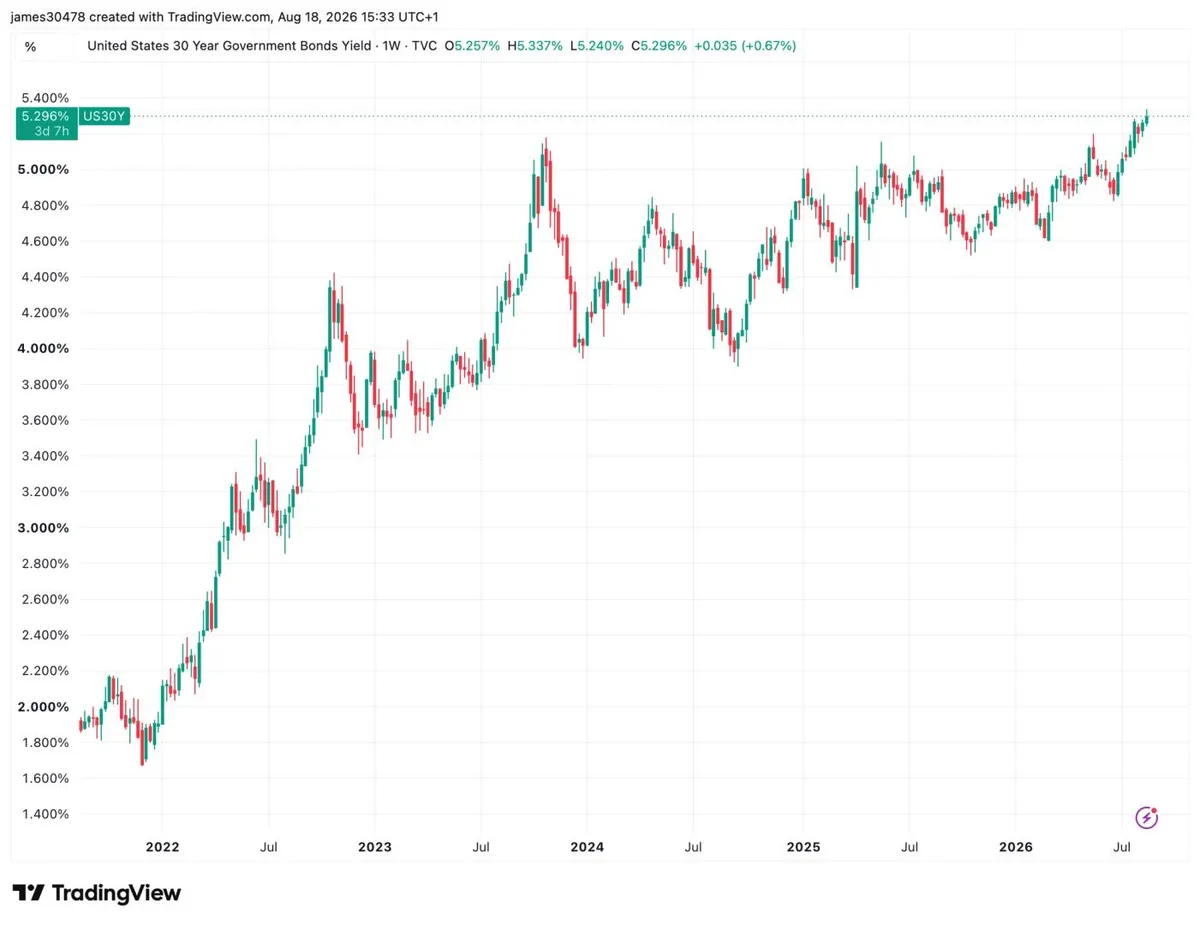
Long-term borrowing costs are surging as U.S. debt approaches a staggering $40 trillion, marking a critical moment for both traditional and digital financial markets. This trend is being exacerbated by the rapid bond issuance from AI hyperscalers, which are capitalizing on the current economic climate. As interest rates rise, investors are increasingly concerned about the implications for various asset classes, including cryptocurrencies like Bitcoin, which have often been promoted as a hedge against inflation and economic instability.
The backdrop to this situation involves a complex interplay of factors. The U.S. government’s escalating debt has raised alarms about its sustainability, prompting discussions around potential fiscal and monetary consequences. Additionally, the AI sector's explosive growth and its associated demand for capital are driving bond issuance to levels not seen in decades. This combination of factors has created a perfect storm, leading to higher yields and heightened scrutiny of financial strategies, including Bitcoin's role as a safe haven asset.
For the cryptocurrency market, the rise in bond yields poses critical questions about Bitcoin's effectiveness as a hedge against traditional financial risks. Historically, Bitcoin has been viewed as a digital gold, but with rising yields, investors are reevaluating this narrative. The increased cost of borrowing may deter some investors from seeking alternative assets like Bitcoin, which could result in reduced demand and price volatility in the short term. As the economic landscape shifts, traders are watching these developments closely, as they may influence Bitcoin's price trajectory.
Industry experts are weighing in on the potential ramifications of these rising bond yields. Some analysts argue that the surge in yields could lead to a flight to safety, where investors flock back to traditional assets, thereby undermining Bitcoin's appeal as a hedge. Conversely, others believe that Bitcoin’s decentralized nature may still attract investors looking for alternatives to government-backed securities, especially if inflationary pressures persist. The mixed sentiments indicate that Bitcoin's future as a hedge will depend heavily on how these macroeconomic factors evolve.
Looking ahead, market participants will be closely monitoring the relationship between bond yields and crypto assets. If yields continue to climb, we may see a more pronounced divergence in asset performance, prompting a reassessment of investment strategies across the board. The coming months will be crucial in determining whether Bitcoin can maintain its narrative as a hedge or if it will be overshadowed by the realities of rising traditional financial costs.

CoinMagnetic Team
Crypto investors since 2017. We trade with our own money and test every exchange ourselves.
Updated: August 2026
From our insights:
Related news

European issuers stress need for USD stablecoins despite euro alternatives

Cardano's DeFi ecosystem contracts over 50% as RealFi seeks revival through credit
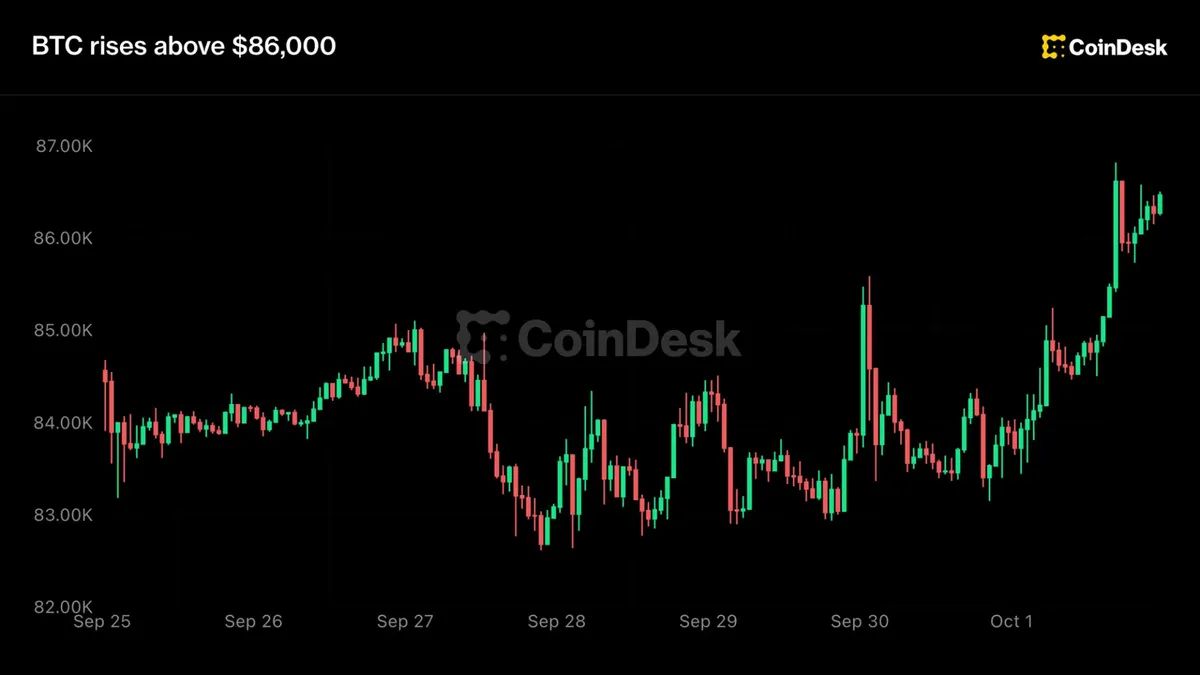
Bitcoin hovers around $87,000 amid U.S. jobs report miss

Aave founder reassures that V3 is secure despite $305K exploit

Bitcoin faces challenges in October despite strong September performance