Global $2.75B payments deal shows stablecoins moving into the rails they were meant to bypass

In a significant development for the cryptocurrency landscape, a recent $2.75 billion acquisition has underscored the growing integration of stablecoins within traditional payment systems. This deal highlights a trend where stablecoins, initially designed to operate outside the confines of regulated financial infrastructures, are increasingly finding their place within these very frameworks. The transaction spotlights the evolving narrative of how digital currencies, particularly stablecoins, are being adopted by established financial institutions, suggesting a shift in strategy as they aim to leverage the benefits of blockchain technology within existing regulatory environments.
To understand the implications of this acquisition, it's essential to consider the background of stablecoins. These digital assets have been positioned as a bridge between the volatility of cryptocurrencies and the stability of fiat currencies, making them attractive for various use cases including remittances, payments, and trading. Initially, stablecoins were envisioned as tools to bypass traditional financial systems, providing users with a decentralized alternative. However, as regulatory frameworks evolve and the demand for compliance grows, the integration of stablecoins into regulated payment networks appears to be a natural progression for the industry.
This move into traditional payment rails could have significant ramifications for the broader cryptocurrency market. It suggests a potential shift in how digital currencies are perceived and utilized, indicating that rather than completely replacing existing financial systems, stablecoins may enhance them. This could lead to increased legitimacy for stablecoins and, by extension, the entire crypto market, as mainstream acceptance grows. Furthermore, if stablecoins can operate seamlessly within regulated frameworks, it could pave the way for more institutional investment and usage, ultimately boosting market confidence.
Industry experts have reacted to this acquisition with a mix of optimism and caution. Many see this as a positive sign that stablecoins are maturing and gaining traction in the mainstream financial ecosystem. However, some raise concerns about the implications for decentralization and the original ethos of cryptocurrencies. The potential for increased regulatory scrutiny is also a topic of discussion, as integrating into traditional systems could lead to more stringent compliance requirements for stablecoin issuers.
Looking ahead, the implications of this acquisition could set a precedent for future integrations of blockchain technologies within regulated environments. As more financial institutions recognize the advantages of stablecoins, we may witness further partnerships and acquisitions that blur the lines between traditional finance and the crypto world. The ongoing evolution of stablecoins and their role in the financial ecosystem will be crucial to watch, as they navigate the balance between innovation and regulation.

CoinMagnetic Team
Crypto investors since 2017. We trade with our own money and test every exchange ourselves.
Updated: June 2026
From our insights:
Related news

Bitcoin's weekly close above $81,000 signals potential rise to $90,000

Elon Musk's X integrates bitcoin trading options for U.S. users
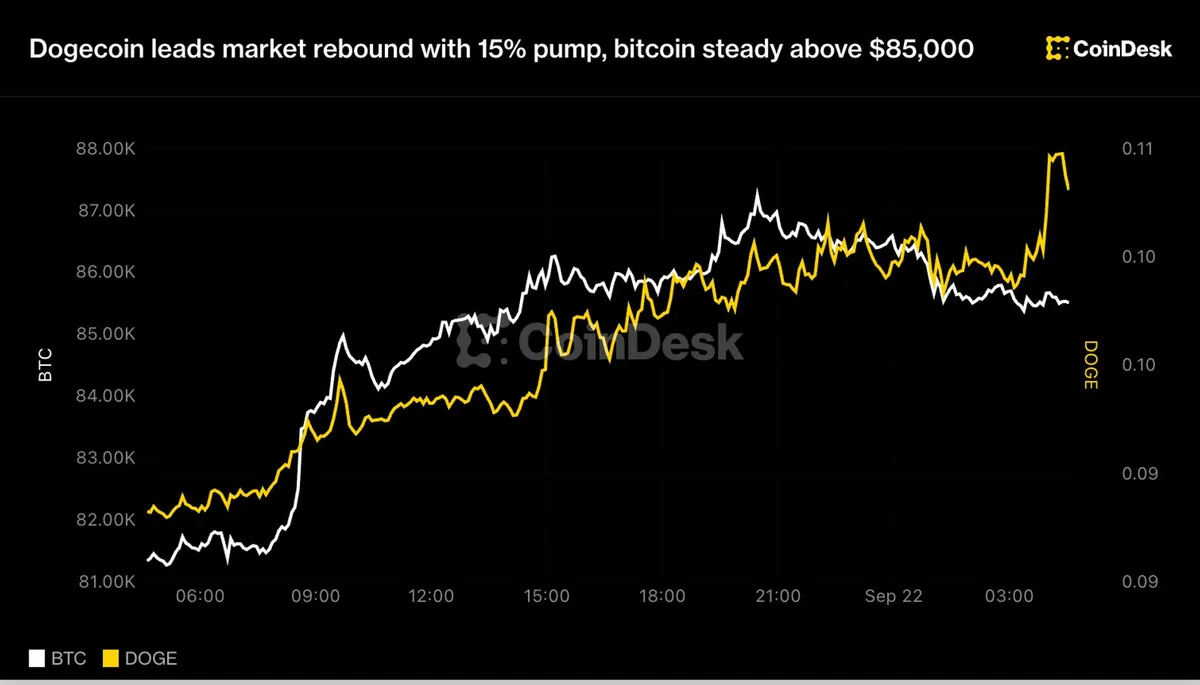
Dogecoin's 15% surge drives market recovery as bitcoin stabilizes above $85,000

Cardano adds tools for AI agent payments, joining Solana and XRP Ledger

Trueo prediction market moves from Base to Ethereum